
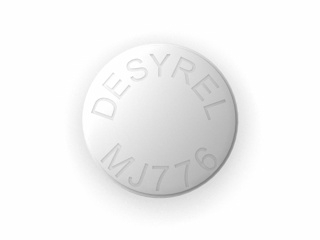


Ticlopidine: Comprehensive Patient Information for Australia
Basic Product Information
| International Nonproprietary Name (INN) | Ticlopidine |
|---|---|
| Australian Brand Names | Ticlid® (withdrawn in Australia; may still be discussed for information), various generics (availability subject to regulatory status) |
| Anatomical Therapeutic Chemical (ATC) Code | B01AC05 |
| Available Forms and Strengths | Tablet, 250 mg (tablet) |
| Manufacturers | Sanofi-Aventis, geneRics by local suppliers (subject to TGA registration and availability) |
| Prescription Status | Prescription only (S4 - Prescription Medicine) |
Mechanism of Action
For Patients: Ticlopidine is an antiplatelet medicine, which means it helps stop blood cells called platelets from sticking together and forming harmful blood clots. This is important for people at high risk of heart attack or stroke.
For Healthcare Professionals: Ticlopidine is a thienopyridine-class antiplatelet. It irreversibly inhibits the ADP P2Y12 receptor on platelet cell membranes, suppressing ADP-induced platelet-fibrinogen binding and preventing platelet aggregation.
Pharmacokinetics
- Absorption: Rapid and nearly complete after oral administration; peak plasma concentrations in 2–8 hours.
- Metabolism: Hepatic, via CYP enzymes. Active metabolites mediate antiplatelet effect.
- Elimination: Urinary (primarily as metabolites), some faecal excretion.
- Duration of Action: Platelet inhibition is irreversible for the lifespan of the platelet (7–10 days).
Use in Everyday Life and Best Practices
- Typical Adult Dose: 250 mg twice daily (every 12 hours), usually prescribed after a meal.
- How to Use: Take the tablet as a whole with a glass of water, ideally after food to reduce gastrointestinal upset.
- Duration of Therapy: Often several months (for prevention of stroke or after certain heart procedures), as directed by your doctor.
- Tips: Always take at the same time every day, and do not stop therapy abruptly without medical advice.
- Monitoring: Regular blood tests may be needed to check for rare side effects.
Morning vs. Evening Dosing
There is no strict requirement to take Ticlopidine at a particular time of day; however, splitting the doses evenly (morning and evening, roughly 12 hours apart) helps maintain steady blood levels and effectiveness.
- Advantages of Morning Dosing: May help with routine adherence, especially if paired with breakfast.
- Advantages of Evening Dosing: Reduced risk of forgetting, especially if paired with dinner.
- Tips: The most important factor is taking the medication consistently; choose times that best fit your daily schedule.
Taking with Food or on an Empty Stomach
With Food: Strongly recommended. Taking Ticlopidine with meals significantly reduces the risk of upset stomach, nausea, or diarrhoea.
Australia Dietary Habits: Patients may take Ticlopidine with breakfast and dinner, adapting to typical Australian meal times (e.g., 7–9am and 6–8pm).
On an Empty Stomach: Not recommended due to increased risk of gastrointestinal side effects.
Interaction Warnings
| Type of Interaction | Interaction Details | Advice for Patients |
|---|---|---|
| Food | Food decreases GI irritation | Always take after a meal |
| Alcohol | May increase risk of stomach bleeding | Limit or avoid excessive drinking |
| Other antiplatelets/anticoagulants (e.g., aspirin, clopidogrel, warfarin) | Increased bleeding risk | Inform your doctor of all medicines |
| NSAIDs (e.g., ibuprofen) | Increased risk of GI side effects | Use only on doctor’s advice |
| Antacids | Possible reduction of absorption | Separate doses by at least 2 hours |
| CYP2B6 substrates or inhibitors | Possible altered metabolism of other drugs | Discuss with healthcare provider |
Indications
| Indication | Details | Status |
|---|---|---|
| Prevention of thrombotic stroke | For adults with history of recent stroke or transient ischaemic attack (TIA), who cannot tolerate aspirin | Approved |
| Coronary stent implantation (adjuvant therapy) | Used with aspirin after coronary stent placement to prevent clotting (now rare in Australia, replaced by clopidogrel) | Off-label/Obsolete |
| Peripheral arterial disease, other thrombosis | Alternative for patients intolerant to other antiplatelets | Off-label/rarely used |
Dosing According to Clinical Indication
| Population | Indication | Initial Dose | Maintenance Dose | Comments |
|---|---|---|---|---|
| Adults | Stroke prevention (aspirin intolerance) | 250 mg twice daily | 250 mg twice daily | With meals |
| Elderly | As above | 250 mg twice daily | 250 mg twice daily | Monitor for blood disorders |
| Children | Not routinely recommended | NA | NA | Safety not established |
Safety Profile & Side Effects
Common Side Effects:
- Diarrhoea
- Rash or itching
- Nausea or upset stomach
- Agranulocytosis (severely low white cell count)
- Neutropenia (risk of infection)
- Thrombotic thrombocytopenic purpura (TTP)
- Severe liver dysfunction
- Seek immediate medical attention for fever, sore throat, unusual bleeding/bruising, yellowing skin/eyes, severe diarrhoea, or persistent rash.
- Frequent blood tests during the first 3 months of treatment are essential to detect early warning signs.
Guidelines for Proper Use – Practical Pharmacist Advice
- Take ticlopidine at the same time each day, morning and evening, ideally with food.
- Never double the dose if you miss one; take the next dose at your regular time.
- Use a daily pillbox or medicine reminder app to reduce the risk of missed doses.
- If you need surgery or dental work, inform the team you are taking ticlopidine.
- Attend all scheduled pathology checks—especially white blood cell counts during the first 3 months.
- Limit alcohol to reduce gastrointestinal risk.
- Keep out of reach of children; never share your medicine with others.
Alternative Treatment Options
- Clopidogrel: Currently preferred over ticlopidine in Australia due to better safety profile and similar efficacy for stroke prevention and coronary stent use. Government subsidised (PBS listed).
- Aspirin: First-line antiplatelet for most patients unless contraindicated.
- Prasugrel, Ticagrelor: Newer antiplatelets, mainly used in acute coronary syndromes.
- Warfarin and Direct Oral Anticoagulants (DOACs): Used for other indications such as atrial fibrillation or venous thromboembolism—not direct alternatives for antiplatelet therapy.
Comparative Overview: Ticlopidine’s major limitation is a higher risk of rare but severe blood and liver problems compared to more modern alternatives like clopidogrel.
Legal, Registration, and Reimbursement Status in Australia
- Therapeutic Goods Administration (TGA): Ticlopidine not currently supplied in Australia; may be available for special cases (Special Access Scheme).
- Prescription Status: S4 (Prescription Only) when available.
- Pharmaceutical Benefits Scheme (PBS): Not subsidised; clopidogrel and aspirin are PBS listed for similar indications.
- Legal Purchase & Import: Only with valid doctor’s prescription and TGA approval for special circumstances.
- Discontinued: Withdrawn from the Australian market primarily due to safety concerns and availability of superior alternatives.
Latest Research & Clinical Guidance (2022–2025)
- The Australian Stroke Foundation Guidelines (2023) recommend clopidogrel or aspirin over ticlopidine for secondary prevention of stroke due to improved safety.
- A 2022 meta-analysis published in the International Journal of Cardiology confirms clopidogrel's similar efficacy but better tolerability.
- International consensus (AHA/ASA, ESC guidelines 2022–2025) restricts ticlopidine use to cases where both aspirin and clopidogrel are contraindicated or not tolerated.
- Routine blood monitoring is crucial if ticlopidine is prescribed, especially in the first 3 months (see: Staplin et al, 2023, JAMA Cardiol).
- Doctors and pharmacists now rarely initiate ticlopidine given the superiority of alternatives.
Availability and Delivery in Australia
Ticlopidine is not currently stocked in standard community or hospital pharmacies in Australia. It may be imported via the TGA’s Special Access Scheme (SAS) if deemed medically necessary by a specialist, with lengthy processes for approval and procurement.
| Pack Size | Indicative Price (AUD$) | Delivery Time (Sydney) | Delivery Time (Melbourne) | Delivery Time (Perth) |
|---|---|---|---|---|
| 60 tablets (250 mg) | $75–$120 (imported, subject to supplier and fees) | 2–4 weeks | 2–5 weeks | 3–6 weeks |
Frequently Asked Questions (FAQ)
- Q: Is Ticlopidine still available in Australia?
A: Ordinary supply has ceased, but it may be accessible via the TGA’s Special Access Scheme for specific situations in which alternatives are not suitable. - Q: What regular tests should I have while taking Ticlopidine?
A: Frequent blood counts, specifically checking white cell and platelet count during the first 3 months, and liver function monitoring. - Q: What symptoms should prompt me to stop taking Ticlopidine and see a doctor?
A: Fever, sore throat, mouth ulcers, bruising, severe diarrhoea, or yellowing of skin/eyes. - Q: Can I take Ticlopidine with other blood thinners?
A: Only under strict medical supervision, as the risk of bleeding increases significantly when combined with other antiplatelets or anticoagulants. - Q: What should I do if I miss a dose?
A: Take the next scheduled dose, but do not double up to make up for a missed dose.
For further information: Always consult your doctor, pharmacist, or specialist nurse. For the most up-to-date advice on medicine supply or your individual care, contact the Therapeutic Goods Administration (TGA) or talk to your local Australia pharmacy team.