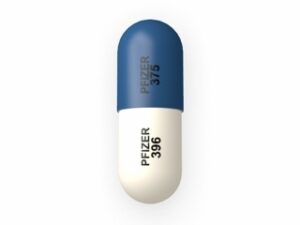
Remeron (Mirtazapine) – Comprehensive Patient Information for Australia
1. Basic Product Information
| International Non-Proprietary Name (INN) | Mirtazapine |
|---|---|
| Australia Brand Names | Remeron, Axit, Mirtazon, Avanza, Mirtabene |
| ATC Code | N06AX11 |
| Available Forms and Strengths | Tablets (15mg, 30mg, 45mg), Orally disintegrating tablets (15mg, 30mg, 45mg) |
| Manufacturers | Organon, Apotex, Alphapharm, Sigma, among others |
| Prescription Status | Prescription Only Medicine (S4) |
2. Mechanism of Action
In simple terms: Remeron (mirtazapine) is an antidepressant that works by restoring the balance of certain natural chemicals in the brain, mainly noradrenaline and serotonin. These are neurotransmitters that influence mood, emotions, and sleep.
For specialists: Mirtazapine is classified as a noradrenergic and specific serotonergic antidepressant (NaSSA). It antagonises central presynaptic α2-adrenergic inhibitory autoreceptors and heteroreceptors, boosting central noradrenergic and serotonergic transmission. It also blocks postsynaptic 5-HT2 and 5-HT3 receptors, which is partly responsible for its side effect profile and some therapeutic effects.
3. Pharmacokinetics
- Absorption: Rapidly absorbed after oral administration. Peak plasma concentrations occur after about 2 hours in fasting individuals.
- Distribution: Widely distributed throughout body tissues; about 85% bound to plasma proteins.
- Metabolism: Extensively metabolised in the liver via demethylation, hydroxylation, and glucuronidation (CYP450 enzymes, especially CYP1A2, CYP2D6, CYP3A4).
- Elimination: Excreted mainly in urine (75%) and faeces (15%). Mean elimination half-life is 20–40 hours (range: 18–50 hours).
- Duration of action: Allows for once-daily dosing.
4. Use in Everyday Life and Best Practices
Remeron is commonly used across Australia for the management of depression, especially for patients who also experience insomnia, anxiety, or a lack of appetite. Your doctor may prescribe it when other antidepressants are not suitable or effective.
- Typical adult dose: Starting dose is 15mg daily, increased gradually up to a usual range of 15–45mg daily.
- How to take: Take your tablet whole with a glass of water. For orally disintegrating tablets, let it dissolve on your tongue without water.
- Do not stop suddenly: Always consult your doctor before making any changes.
- Storage: Keep tablets in the original packaging, below 25°C, out of reach of children.
- Disposal: Return unused medicine to your local pharmacist for safe disposal.
5. Dosing: Morning vs Evening
Mirtazapine is usually taken at night, as it may cause drowsiness. This makes it especially helpful for people struggling with poor sleep. Morning doses may lead to daytime sedation and affect your ability to concentrate or drive.
| Time of Day | Advantages | Disadvantages | Recommendation |
|---|---|---|---|
| Evening (bedtime) |
| May cause very vivid dreams in some | Preferred |
| Morning | Suitable if night sedation is undesirable |
| Usually not recommended |
6. Taking with Food or on an Empty Stomach
Remeron can be taken with or without food. Food has no significant effect on the absorption or effectiveness of mirtazapine. In Australia, it is common to take medication after the evening meal or just before bed. If you are following a traditional English diet or have dietary restrictions, there are no special considerations, but always avoid excessive alcohol intake.
7. Interaction Warnings
| Interacting Substance | Recommendation | Comment |
|---|---|---|
| Alcohol | Avoid | Increases drowsiness and risk of side effects |
| Other Antidepressants (SSRIs, MAOIs, SNRIs) | Do not combine | Risk of serotonin syndrome and dangerous interactions |
| Benzodiazepines | Caution | May enhance sedative effects |
| Antipsychotics | Caution | Possible additive sedation, consult prescriber |
| Carbamazepine/Phenytoin | Avoid if possible | Increase mirtazapine clearance; may reduce effectiveness |
| Grapefruit juice | Caution | Can slow metabolism; consult doctor |
| Warfarin | Monitor | Check INR regularly; possible interaction |
| Antihistamines (sedating) | Caution | Increased drowsiness |
8. Indications (Official and Off-label)
| Indication | Approved Status in Australia | Notes |
|---|---|---|
| Major Depressive Disorder | Yes | First-line or adjunctive therapy |
| Generalised Anxiety Disorder | No (off-label) | Considered when other medications fail |
| Insomnia (associated with depression) | Yes (adjunctive) | Benefits patients experiencing sleep disturbance |
| Appetite Stimulation (cachexia/anorexia) | No (off-label) | May be considered in frail patients |
| PTSD | No (off-label) | Occasionally used under specialist advice |
9. Dosing According to Clinical Indications
| Population | Indication | Initial Dose | Usual Dose Range | Max Dose |
|---|---|---|---|---|
| Adults (18-65 yrs) | Depression | 15mg once nightly | 15–45mg per day | 45mg per day |
| Elderly (65+ yrs) | Depression | 15mg once nightly | 15–30mg per day | 30mg per day (higher only if well tolerated) |
| Paediatric (under 18 yrs) | Not routinely recommended | N/A | N/A | Use only under specialist advice |
| Renal impairment | Depression | Start at 15mg | Titrate with caution | Lower dose preferred |
| Hepatic impairment | Depression | Start at 15mg | Titrate with caution | Lower dose preferred |
10. Safety Profile and Side Effects
| Frequency | Side Effect | Comments |
|---|---|---|
| Very Common (>10%) | Drowsiness, increased appetite, weight gain, dry mouth | Often diminish over time |
| Common (1–10%) | Oedema, dizziness, constipation | Usually mild; report if persistent |
| Uncommon (<1%) | Low blood pressure, abnormal liver function tests | Routine blood tests may be recommended |
| Rare (<0.1%) | Seizures, mania, blood disorders (eg: agranulocytosis), serotonin syndrome | Seek immediate medical help if symptoms develop |
- Do not drive or operate machinery if you feel drowsy.
- Report any unexplained fever, sore throat, or mouth ulcers immediately.
- Sudden discontinuation may cause withdrawal symptoms (nausea, headache, irritability).
11. Guidelines for Proper Use (Australia Conditions)
- Always take Remeron as prescribed by your doctor or pharmacist.
- Regular follow-up appointments are important, especially in the first weeks of treatment.
- Monitor mood changes and inform your healthcare provider if you experience new or worsened symptoms.
- Store medicine in a cool, dry place, away from direct sunlight and children.
- If you miss a dose, skip it and continue with your regular schedule—never double up.
- For flying or travel across Australia, keep medication in your carry-on with the prescription label visible.
- Consider using a regular alarm or phone reminder for adherence.
12. Alternative Treatment Options
- SSRIs (e.g., sertraline, escitalopram, fluoxetine): First-line for many; less sedating, often fewer weight/appetite effects. May cause sexual dysfunction, insomnia.
- SNRIs (e.g., venlafaxine, duloxetine): Useful for melancholic depression, anxiety; may increase blood pressure or cause withdrawal on abrupt cessation.
- Tricyclic antidepressants (e.g., amitriptyline): More side effects; more dangerous in overdose; sometimes suited for severe, treatment-resistant depression.
- Agomelatine: Melatonergic properties; considered when sleep disturbance is prominent.
Comparative overview: Mirtazapine may be a better fit for patients needing appetite improvement or experiencing insomnia. SSRIs are preferred where sedation or weight gain is not desired. Discuss with your doctor the most suitable option for you, considering side effect profiles and response.
13. Legal, Registration, and Reimbursement Status in Australia
- Remeron (mirtazapine) is on the Australian Register of Therapeutic Goods (ARTG) and is approved by the Therapeutic Goods Administration (TGA).
- Classified as Schedule 4 (S4) – Prescription Only Medicine.
- Partially reimbursed by the Pharmaceutical Benefits Scheme (PBS) for the treatment of major depressive disorder.
- Off-label uses are not usually covered by PBS; discuss with your provider.
- Private prescriptions may incur a higher out-of-pocket cost.
14. Latest Research & Clinical Guidance (2022–2025)
- Australian NPS MedicineWise and the Royal Australian and New Zealand College of Psychiatrists (RANZCP) guidelines (2023) continue to list mirtazapine as effective for major depression, especially with coexistent insomnia or poor appetite.
- Recent meta-analyses (Cipriani et al., 2023, British Journal of Psychiatry) support mirtazapine's efficacy, particularly as adjunctive therapy.
- Limited benefit has been associated with its use in general anxiety and as appetite stimulant in palliative care (He et al., 2024, JAMA review).
- Safety: Large Australian cohort studies (2024) have not shown new significant concerns when used as prescribed.
- Long-term outcomes highlight the importance of regular monitoring for weight, metabolic changes, and mood variation.
15. Availability and Delivery in Australia
| Pack Size | Common Strengths | Indicative PBS Price (2024, subsidised) |
|---|---|---|
| 30 tablets | 15mg, 30mg, 45mg | $6.70 concession / $30.00 general |
| 60 tablets | 15mg, 30mg | $13.40 concession / $60.00 general |
| Major City | Estimated Delivery (Online Pharmacy) |
|---|---|
| Sydney | 1–2 working days |
| Melbourne | 1–2 working days |
| Brisbane | 2–3 working days |
| Perth | 3–5 working days |
| Adelaide | 2–3 working days |
| Regional/Rural Australia | Up to 7 working days |
16. Frequently Asked Questions (FAQ)
- How long does it take for Remeron to work?
Most people notice improvement in sleep and appetite within the first week. Mood and motivation improvements usually take 2–4 weeks. If after 4–6 weeks you do not notice benefit, discuss with your prescriber. - Is it safe to drink alcohol while on mirtazapine?
It is best to avoid alcohol, as it can increase sedation and cause poor coordination or confusion. - Will Remeron make me gain weight?
Weight gain and increased appetite are among the more common side effects. Regular physical activity and monitoring your diet can help manage this. - Can I stop Remeron suddenly?
No, sudden cessation can cause withdrawal symptoms. Always taper under medical supervision. - Can I drive or operate machinery while taking this medication?
Mirtazapine may cause drowsiness, especially on initiation or dose increase. Avoid driving or using heavy machinery until you know how it affects you.
If you have more questions about Remeron (mirtazapine), your local community pharmacist, GP, or mental health specialist is your best resource for advice tailored to your situation.