Gabapentin: Patient-Friendly Guide (Australia)
Basic Product Information
| International Nonproprietary Name (INN) | Gabapentin |
|---|---|
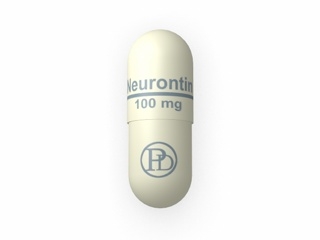
| Common Australia Brand Names | Neurontin®, Gabahexal®, Pendine® |
| Anatomical Therapeutic Chemical (ATC) Code | N03AX12 |
| Available Forms & Strengths | Capsules: 100 mg, 300 mg, 400 mg Tablets: 600 mg, 800 mg Oral Solution: 50 mg/mL (sometimes available) |
| Typical Manufacturers | Pfizer Australia, Sandoz, Apotex, several generic producers |
| Prescription Status | Prescription Only Medicine (Schedule 4) |
Mechanism of Action
For Patients:
Gabapentin belongs to a group of medicines called anticonvulsants. Although its structure is similar to a natural body chemical called GABA (gamma-aminobutyric acid), it does not act directly on GABA receptors. Instead, gabapentin works by calming down abnormal electrical activity in the brain and nerves, which helps to relieve nerve pain and prevent seizures.
For Specialists:
Gabapentin binds to the alpha-2-delta subunit of voltage-gated calcium channels in the CNS. This reduces the release of several excitatory neurotransmitters, such as glutamate, norepinephrine, and substance P, thereby modulating neuronal excitability in epilepsy and neuropathic pain syndromes.
Pharmacokinetics
- Absorption: Gabapentin is absorbed in the small intestine via a saturable L-amino acid transporter, making its bioavailability dose-dependent. Peak plasma concentrations occur 2–3 hours after dosing.
- Metabolism: It is not significantly metabolised in the body and does not induce or inhibit liver enzymes.
- Elimination: Excreted unchanged via the kidneys. Dose should be adjusted in patients with renal impairment.
- Duration of Action: The effects typically last 8–12 hours per dose, requiring two or three doses daily.
Use in Everyday Life and Best Practices
Gabapentin is commonly prescribed in Australia for the management of nerve pain (neuropathic pain), such as that caused by shingles (postherpetic neuralgia), and as an adjunct treatment in partial epilepsy. Occasionally, it's used off-label for conditions like fibromyalgia, restless legs syndrome, and anxiety disorders.
- Typical Adult Dose: Usually started at 300 mg once a day, increased gradually over several days to 900–1800 mg per day, divided into two or three doses.
- Pediatric Dose: Based on weight and indication (see dosing table below).
- Elderly: Lower doses may be recommended, especially with decreased renal function.
- How to Take: Swallow capsules/tablets with water. Do not chew or crush tablets.
- Missed Dose: Take as soon as remembered, but skip if next dose is near. Never double dose.
Dosing in the Morning vs Evening
- Gabapentin is typically taken two or three times a day. For nerve pain, the evening dose may be larger to help with night-time symptoms.
- Taking doses at regular times each day is important for effectiveness and reducing side effects.
- Some patients experience drowsiness, so evening dosing may be preferable.
- Consistency is key: Set reminders or use pill organisers.
Taking with Food or on an Empty Stomach
Gabapentin can be taken with or without food. Taking it with food may reduce stomach upset for some individuals. Unlike some medicines, a typical English diet does not impact gabapentin absorption or effectiveness significantly.
Interaction Warnings
| Interacting Substance | Risk/Advice |
|---|---|
| Alcohol | Can increase drowsiness and dizziness. Limit alcohol or avoid completely. |
| Antacids (containing aluminium or magnesium) | May reduce gabapentin absorption. Take gabapentin at least 2 hours after antacids. |
| Opiates (e.g., morphine) | May increase gabapentin levels and side effects. Use caution. |
| CNS depressants (sleeping tablets, tranquillizers) | May intensify drowsiness and risk of breathing problems. |
| Other epileptic or neuropathic pain medicines | Review with your doctor to avoid excessive sedation or side effects. |
Indications
| Indication | Official (TGA-approved) | Off-label/Common |
|---|---|---|
| Partial seizures (with/without secondary generalisation) | Yes | |
| Postherpetic neuralgia | Yes | |
| Other neuropathic pain (e.g., diabetic neuropathy) | Common | |
| Restless legs syndrome (RLS) | Common | |
| Fibromyalgia | Occasionally | |
| Anxiety disorders | Occasionally |
Dosing According to Clinical Indications
| Indication | Adults (18–64 yrs) | Paediatric | Elderly (>65 yrs) |
|---|---|---|---|
| Partial seizures | 300 mg day 1, then 300 mg twice day 2, then 300 mg three times day 3. Usual range: 900–1800 mg/day in 3 doses. | 10–15 mg/kg/day in 3 doses, up to 40 mg/kg/day | Lower initial dose; adjust for kidney function. |
| Neuropathic pain | Start at 300 mg at night, increase as tolerated up to 900–1800 mg/day in 2–3 doses | Not routinely recommended | Start low; adjust for kidney function. |
| Restless legs syndrome | 300 mg 1–2 hours before bedtime; adjust as needed | Not approved | Start low; adjust for kidney function. |
Safety Profile and Side Effects
Gabapentin is generally considered safe when used as prescribed. However, side effects may occur, particularly when starting or adjusting the dose.
- Common Side Effects:
- Drowsiness, sleepiness, tiredness
- Dizziness, unsteady gait
- Swelling in hands or feet
- Increased appetite or weight gain
- Blurred vision
- Uncommon/Rare Side Effects:
- Mood changes, agitation, depression, or suicidal thoughts
- Allergic reactions (rash, itching, swelling, trouble breathing)
- Severe abdominal pain, jaundice (liver issues - very rare)
- Movement disorders (tremor, coordination problems)
- Warnings:
- Suddenly stopping gabapentin may cause withdrawal symptoms or increase seizure frequency.
- Report mood changes or suicidal thoughts to your doctor immediately.
- Driving or operating machinery: May impair ability—be cautious until your reaction is known.
Guidelines for Proper Use: Australian Context
- Follow the dose and schedule prescribed by your Australian GP or specialist. Do not exceed or skip doses without medical advice.
- Do not stop taking gabapentin suddenly; dose reductions should also be gradual under supervision.
- Inform your doctor or pharmacist about any other medications, supplements, or over-the-counter medicines.
- Keep gabapentin in its original packaging, away from children, and store below 25°C as per Australian labeling practice.
- Attend regular reviews with your prescriber to check effectiveness and side effects.
- Return unused medicines to your pharmacy for safe disposal under RUM (Return Unwanted Medicines) in Australia.
Alternative Treatment Options
- Pregabalin (e.g., Lyrica®): Similar mechanism; sometimes more effective for some forms of neuropathic pain but may be more sedating and is also PBS-listed.
- Tricyclic antidepressants (e.g., amitriptyline): Widely used for nerve pain; possible anticholinergic and cardiac side effects.
- Duloxetine: Useful in diabetic neuropathy and fibromyalgia; may cause nausea or headache; available under PBS in some indications.
- Carbamazepine: Established for trigeminal neuralgia/epilepsy; more potential interactions.
- Non-drug options: Occupational therapy, physiotherapy, psychological support, complementary therapies.
Choice of alternative depends on the condition, side-effect profiles, personal history, and PBS reimbursement status.
Legal, Registration, and Reimbursement Status in Australia
- Legal Status: Schedule 4 (S4) – Prescription only, as per the Australian Poisons Standard.
- Registration: Registered by the Therapeutic Goods Administration (TGA).
- Reimbursement: Gabapentin is available on the Pharmaceutical Benefits Scheme (PBS) for some indications (e.g., epilepsy, postherpetic neuralgia), typically after first-line treatments fail.
- Prescriptions must be written by an Australian registered prescriber and dispensed by an Australian-registered pharmacy.
Latest Research and Clinical Guidance (2022–2025)
- Gabapentinoids, including gabapentin, have increasingly strict monitoring due to reports of misuse (Therapeutic Goods Administration, 2023).
- Recent Cochrane reviews confirm gabapentin’s efficacy for post-herpetic neuralgia and partial seizures, but use for chronic pain conditions is debated.
- Guidelines (e.g., NPS MedicineWise, 2023; RACGP) recommend careful patient selection, starting at low doses, regular review, and deprescribing strategies.
- For elderly and those with history of substance misuse, alternatives may be preferred.
- References: RACGP. 'Neuropathic pain: Gabapentinoids,' Australian Prescriber 2023; TGA Safety Advisory March 2024; Cochrane Library, Various 2022–2025.
Availability and Delivery
| Form/Strength | Popular Pack Sizes | Indicative PBS Price* | Delivery Times |
|---|---|---|---|
| Gabapentin 300 mg capsules | 30, 100 | AUD $6.60–$19.00 | Sydney: 1 day Melbourne: 1–2 days Brisbane: 1–2 days Perth: 3–5 days Adelaide: 1–2 days Regional AU: 2–7 days |
| Gabapentin 400 mg capsules | 30, 90 | AUD $7.30–$22.50 | See above |
- Available from most Australian pharmacies. Larger pack sizes may require pre-order.
Frequently Asked Questions (FAQ)
- Is gabapentin addictive?
Gabapentin does not usually cause physical addiction, but misuse has been reported, especially in combination with other medicines. Take only as prescribed and discuss concerns with your doctor or pharmacist. - Can I drive while taking gabapentin?
Gabapentin may cause drowsiness or dizziness, particularly when you start treatment. Do not drive or operate machines until you know how it affects you. - What should I do if I forget a dose?
Take the missed dose as soon as you remember, unless it is close to the time for your next dose. Do not double up doses. If you miss several doses, contact your doctor or pharmacist. - Can I drink alcohol while taking gabapentin?
Alcohol can increase side effects such as drowsiness and risk of falls. It is best to avoid alcohol or discuss with your doctor regarding safe amounts. - How long before gabapentin starts working?
Some people notice benefits within a few days, but full effect can take up to two weeks or longer. Continue taking the medicine as prescribed and attend all follow-up appointments.
For further information, always consult your healthcare provider or an Australian registered pharmacist. This page is for general information and does not replace professional advice tailored to your specific situation.