
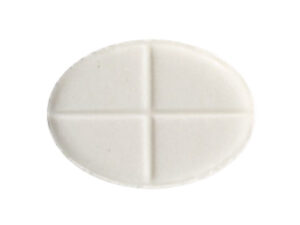
Medrol (Methylprednisolone) – Patient Information for Australia
Basic Product Information
| International Non-Proprietary Name (INN) | Methylprednisolone |
|---|---|
| Common Australia Brand Names | Medrol, Solu-Medrol, Depo-Medrol |
| ATC Code | H02AB04 |
| Available Forms & Strengths | Tablets: 4 mg, 16 mg; Injectable: 40 mg/mL, 125 mg/2 mL, 500 mg/8 mL, 1 g/8 mL |
| Manufacturers | Pfizer Australia Pty Ltd, Viatris (Mylan), Generic brands |
| Prescription Status | Prescription only (Schedule 4 medication) |
Mechanism of Action
For Patients:
Medrol belongs to a group of medicines called corticosteroids, or simply “steroids.” It works by reducing inflammation (swelling, redness, pain) and calming your immune system. This helps control symptoms in conditions like arthritis, asthma, allergies, or autoimmune diseases.
For Healthcare Professionals:
Methylprednisolone is a synthetic glucocorticoid with potent anti-inflammatory and immunosuppressive activities. It suppresses leukocyte migration, decreases capillary permeability, inhibits fibroblast activity, and impairs production of inflammatory mediators (cytokines, prostaglandins).
Pharmacokinetics
- Absorption: Oral methylprednisolone is well absorbed; peak plasma levels reached 1.5–3 hours after ingestion.
- Distribution: Widely distributed; crosses placenta; 77–89% protein binding.
- Metabolism: Primarily hepatic via CYP3A4 enzymes.
- Elimination: Mainly as inactive metabolites via urine; elimination half-life 2–4 hours.
- Duration of Action: Therapeutic effects last 12–36 hours, depending on dose and route.
Use in Everyday Life and Best Practices
Medrol is commonly used in Australia to manage conditions such as rheumatoid arthritis, severe asthma, allergies, inflammatory bowel disease, lupus, and various skin conditions.
- Follow your doctor’s prescription closely.
- For most inflammatory conditions, the dose typically ranges from 4 mg to 48 mg daily in divided doses.
- For flare-ups, your doctor may prescribe a higher “burst” dose, followed by tapering (gradually reducing the dose).
- Take your medication at the same time each day.
- Do not stop taking Medrol suddenly unless advised by your doctor.
- Always carry a steroid treatment card or medical alert, especially if on steroids for more than 3 weeks.
Dosing in the Morning vs Evening
- Morning Dosing: Preferred, as this follows the body’s natural rhythm of cortisol (peak in the morning), helping to minimise side effects like insomnia, mood changes, and adrenal suppression.
- Evening Dosing: Not generally recommended, as it may increase the risk of sleep disturbances and impact the body’s stress hormone cycle.
- Tip: Set a daily alarm or reminder for your morning dose, ideally after breakfast.
Taking with Food or on an Empty Stomach
- Take Medrol with food or milk to reduce the risk of stomach upset or irritation.
- Australians commonly take their morning medications with breakfast. Choose a balanced breakfast—wholegrains, fruit, yogurt, or toast.
- Avoid taking on an empty stomach.
- If you experience nausea, acid reflux, or heartburn, let your doctor or pharmacist know.
Interaction Warnings
| Substance/Class | Interaction Effect | Advice |
|---|---|---|
| NSAIDs (e.g., ibuprofen) | Increased risk of stomach ulcers/bleeding | Use with caution; consider gastroprotection |
| Warfarin & other anticoagulants | Altered effect; bleeding risk | Monitor INR closely |
| Live vaccines | Reduced vaccine efficacy; risk of infection | Delay vaccination if possible |
| Antidiabetic medicines | Raised blood sugar | Monitor glucose; possible dosage adjustment |
| Alcohol | Increased risk of stomach irritation, ulcers | Limit or avoid alcohol |
| St John's Wort | Reduced Medrol effectiveness | Avoid combination |
| CYP3A4 inhibitors (e.g., ketoconazole) | Increased methylprednisolone levels | Monitor for side effects |
| Grapefruit/grapefruit juice | May affect absorption/metabolism | Avoid regular consumption |
Indications
| Condition | Therapy Status |
|---|---|
| Rheumatoid arthritis/Osteoarthritis | Approved |
| Asthma (severe, acute exacerbations) | Approved |
| Allergic reactions, including anaphylaxis support | Approved |
| Autoimmune diseases (e.g. lupus) | Approved |
| Dermatological conditions (psoriasis, eczema) | Approved |
| Inflammatory bowel disease (ulcerative colitis, Crohn’s disease) | Approved |
| COVID-19 (severe, hospitalised cases*) | Off-label/Guideline-recommended |
| Graft rejection (transplant medicine) | Approved |
| Multiple sclerosis (acute relapse) | Approved |
Dosing According to Clinical Indication
| Condition | Adults | Paediatric | Elderly |
|---|---|---|---|
| Rheumatoid arthritis | 4–16 mg/day (oral) | 0.5–1.7 mg/kg/day | Start lower, titrate slowly |
| Acute asthma exacerbation | 40–80 mg/day (oral/IV in divided doses) | 1–2 mg/kg/day (max 60 mg) | Same as adults; monitor for side effects |
| Acute severe allergic reactions | 125–250 mg IV stat | 1–2 mg/kg IV; max 60 mg | Same as adults |
| Multiple sclerosis relapse | 500–1000 mg IV daily for 3–5 days | Not routinely used | Cautious use; consider comorbidities |
| Severe COVID-19 (hospitalised adults only) | 32–40 mg IV/oral once daily x 7–10 days* | Clinical governance advised | Same, but in specialist units |
*Always follow specialist advice and evolving national guidelines for COVID-19–related use.
Safety Profile and Side Effects
| Frequency | Side Effect | Advice |
|---|---|---|
| Common (≥1/10) | Weight gain, mood changes, increased appetite, poor sleep (insomnia), stomach upset, indigestion, raised blood pressure, higher blood sugars | Discuss with GP/pharmacist if these symptoms are troublesome |
| Uncommon (1/100 – 1/10) | Acne, thin skin, bruising, slow wound healing, muscle weakness, irregular periods | Inform GP if bothersome or persistent |
| Rare (<1/1000) | Serious infection, vision changes, psychiatric effects (depression, anxiety, hallucinations), allergic reaction (swelling, rash) | Seek urgent medical help |
| Other Warnings | Risk of adrenal suppression if stopped abruptly after long-term use; impact on bone density (osteoporosis), increased risk of ulcers, risk of slow growth in children | Never stop suddenly; regular GP review |
Guidelines for Proper Use (Australia context)
- Always follow your doctor’s instructions, including tapering schedules if prescribed for more than 3 weeks.
- Tell your doctor if you are pregnant, planning pregnancy, or breastfeeding.
- Inform healthcare professionals about Medrol use, especially before surgery, dental work, or vaccines.
- Be aware that steroids can mask signs of infection; notify your GP urgently if you feel unwell or develop a fever.
- Take vitamin D and calcium if on long-term corticosteroids, as recommended by your healthcare team (common in Australian guidelines).
- Monitor blood pressure, blood sugars, and weight regularly; people with diabetes may require close monitoring.
- Keep vaccines up-to-date; avoid live attenuated vaccines (e.g., MMR, yellow fever) during steroid therapy unless specifically advised.
Alternative Treatment Options
Several alternatives are available for inflammatory and autoimmune diseases. These include:
- Prednisolone tablets (commonly listed on PBS) – similar effect, slightly different profile; considered interchangeably in many protocols. Pros: widely available, similar efficacy. Cons: slightly shorter half-life.
- Hydrocortisone – preferred in some adrenal insufficiency cases. Pros: Closest to natural cortisol. Cons: shorter action, multiple daily doses.
- Dexamethasone – stronger, longer-acting. Used for severe inflammation and certain cancers. Pros: once-daily dosing. Cons: higher risk of side effects if not carefully dosed.
- Non-steroid medications:
- Biologic agents (e.g., adalimumab, etanercept, infliximab) – for rheumatoid arthritis, Crohn’s, etc. Pros: steroid-sparing. Cons: injectable only, higher cost, infection risk.
- Immunomodulators (e.g., methotrexate, azathioprine, cyclosporine) – used in autoimmunity. Require frequent monitoring.
Your specialist will tailor your treatment plan to your condition, health status, and preferences.
Legal, Registration, and Reimbursement Status in Australia
- Methylprednisolone (as Medrol, Solu-Medrol, Depo-Medrol) is registered in Australia and approved by the Therapeutic Goods Administration (TGA).
- Classified as a Schedule 4 (S4) prescription medicine under the Poisons Standard.
- Relevant indications are listed on the Pharmaceutical Benefits Scheme (PBS) for subsidised prescription when prescribed for eligible conditions.
- Both originator and generic brands are available through Australian pharmacies.
Latest Research and Clinical Guidance (2022–2025)
- Recent studies reaffirm the efficacy of corticosteroids, including methylprednisolone, as first-line therapy for acute severe inflammation (see: WHO Guidance 2022, Australian Asthma Handbook).
- Emerging data support use in severe hospitalised COVID-19 (see TGA COVID-19 treatment guidance), with strict clinical governance.
- New guidelines highlight the importance of minimising steroid dose and duration, and early addition of steroid-sparing therapies where possible (Australian Rheumatology Guidelines 2023).
- Routine bone health monitoring and fracture prevention are recommended for all adults starting long-term steroids (RACGP Osteoporosis Guidelines).
Availability and Delivery
| Pack Size | Strength | Indicative PBS Price (June 2024) | Delivery Time – Major Australian Cities |
|---|---|---|---|
| 20 tablets | 4 mg | $8.00 (PBS subsidy), up to $18.00 private | 1–2 business days (Sydney, Melbourne, Brisbane); 2–4 days (Perth, Adelaide, Canberra) |
| 20 tablets | 16 mg | $18.00–$21.00 | Same as above |
| 5 x 1 mL ampoules | 40 mg/mL (injectable) | $29.00 | Hospital/clinic use; delivered upon order |
Most community pharmacies in Australia keep Medrol tablets in stock. Special doses, injectable forms, or brand preferences may take 1–3 days for supply in some rural areas.
FAQ – Common Patient Questions
- Can I take Medrol every day for my arthritis?
Only take Medrol as often and as long as your doctor prescribes. For chronic conditions like arthritis, long-term steroids are used cautiously, often at the lowest possible dose and for the shortest time possible. Regular review is essential. - What should I do if I miss a dose of Medrol?
Take your dose as soon as you remember if it’s within a few hours. If it’s almost time for the next dose, skip the missed tablet—do not double up. If you’re unsure, consult your pharmacist or doctor. - Can I drink alcohol while taking Medrol?
Occasional small amounts of alcohol are unlikely to cause significant problems, but both alcohol and Medrol can irritate your stomach. If you’re on high doses, multiple medicines, or have a history of ulcers, it’s best to limit or avoid alcohol. - Is Medrol safe during pregnancy?
Corticosteroids should only be used in pregnancy if prescribed by your doctor after weighing benefits and risks. Inform all healthcare professionals if you are pregnant or trying to conceive. - What are the signs that I need urgent medical attention while on Medrol?
Seek immediate help if you develop chest pain, difficulty breathing, severe allergic reaction (swelling of lips, face, rash), vision changes, signs of serious infection (high fever, confusion), or persistent vomiting.