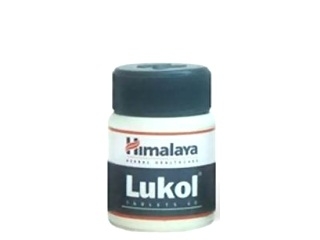

Lukol: A Comprehensive Patient Guide for Use in Australia
Basic Product Information
| International Non-proprietary Name (INN) | Lukol (Polyherbal formulation: typically includes Asparagus racemosus, Boerhaavia diffusa, and Symplocos racemosa among other Ayurvedic botanicals) |
|---|---|
| Australia Brand Names | Lukol (primarily available via international suppliers, specialty import, or complementary medicine outlets; check with your pharmacy for legality and sourcing) |
| ATC Code | N/A (Herbal/Traditional Medicine, not classified under the standard ATC system) |
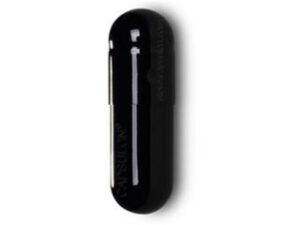
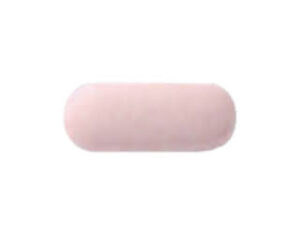
| Available Forms & Strengths | Tablets (common: 60 & 100 count bottles; each tablet contains about 250 mg of proprietary extract blend) |
| Manufacturers | Himalaya Drug Company (India); available through authorised international distributors in Australia |
| Prescription Status | Over-the-counter (OTC) for import/personal use as a complementary herbal product; not a registered prescription medicine in Australia |
Mechanism of Action
Simple Explanation: Lukol is a polyherbal formula traditionally used to support women's reproductive health, particularly for managing non-specific leucorrhoea (vaginal discharge), and promoting uterine health. It works primarily by supporting the normal flora of the female reproductive tract, helping reduce symptoms like discharge or discomfort.
For Specialists: Lukol combines phytoestrogenic, antibacterial, anti-inflammatory, and astringent effects of its various plant extracts. Research suggests that the herbal blend may help control excessive vaginal discharge, inhibit pathogen growth, modulate local immunity, and support endometrial tone by influencing the uterine mucosa and microenvironment.
Pharmacokinetics
- Absorption: Bioactive herbal constituents are variably absorbed in the gastrointestinal tract, depending on meal timing and gut health.
- Metabolism: Metabolised primarily in the liver; specific pathways are not fully defined due to botanical complexity.
- Elimination: Primarily via urine and faeces; the resins and tannins are excreted as metabolites.
- Duration of Action: Effects are gradual—typically observable after 1–2 weeks of consistent use.
- Half-life: Not specifically established. Daily dosing is recommended for effectiveness.
*Note: As a herbal remedy, Lukol’s pharmacokinetics may vary by individual patient and concurrent dietary or pharmaceutical interactions.
Use in Everyday Life and Best Practices
- Typical Dose: 2 tablets, twice daily (total 4 tablets/day), taken with water. Your healthcare provider or pharmacist may individualise dosing based on your specific needs.
- How to Use: Swallow the tablets with a full glass of water. Consistency is important—try to take at the same times each day for best results.
- Where to Obtain: Specialty complementary medicine outlets, registered online international pharmacies (check Australian import and customs regulations before purchase).
- Duration: Usually continued for 1–3 months; always check with your doctor or pharmacist before extending use.
- Your English Lifestyle: Lukol is intended as a supplementary measure, not a replacement for conventional therapies recommended by your Australian healthcare provider.
Dosing in the Morning vs Evening
- Morning Dosing: May help avoid missed doses due to evening routines or fatigue; aligns with common English breakfast habits.
- Evening Dosing: Often taken after dinner for convenience, but avoid dosing too late to prevent stomach upset.
- Tips: Split into morning and evening doses to maintain a stable level throughout the day. Set reminders (phone alarm, pillbox) for regularity.
- Best Practice: Maintain daily routine and take tablets at roughly the same time each day. If you miss a dose, take it as soon as you remember unless it’s almost time for your next scheduled dose.
Taking Lukol with Food or on an Empty Stomach
- With Food: Optimal to take after meals to minimise risk of stomach upset, particularly for patients on a typical English or Australian diet rich in cereals and fibre.
- Empty Stomach: May increase absorption slightly but also risk gastrointestinal discomfort in sensitive individuals.
- Australian Dietary Context: Safe to combine with standard meals (e.g., toast, cereals, dairy, fruit, or balanced dinner).
- Best Practice: If you have a sensitive stomach or history of gastritis, always take Lukol after food or a light snack.
Interaction Warnings
| Substance | Interaction Potential | Advice |
|---|---|---|
| Alcohol | Possible additive risk of stomach irritation and impact on liver metabolism | Avoid heavy drinking; occasional moderate consumption deemed acceptable |
| Antibiotics (e.g., metronidazole, amoxicillin) | No direct interactions known; some constituents may enhance natural flora balance | Safe, but discuss with doctor before combination |
| Immunosuppressants | Unknown | Seek specialist advice before using any herbal product |
| Oral Contraceptives | No reported major interaction, but theoretical effects on hormone metabolism possible | Check with your GP or pharmacist |
| Other Herbal Supplements | Possible additive or antagonistic effects | Review full medicine list with healthcare provider |
Indications
| Indication | Official Status | Description |
|---|---|---|
| Non-specific Leucorrhoea | Traditional / Complementary | Abnormal vaginal discharge in absence of treatable infection or anatomical cause |
| Supportive for Uterine Health | Complementary | Adjuvant for mild pain, discomfort, or to support menstrual health |
| Adjuvant in Vaginitis (non-infective) | Off-label | To ease symptoms of non-infective vaginitis as part of multimodal approach |
| Post-Menstrual Recovery | Traditional/Not official | May be used after menstruation to restore natural flora and balance |
Dosing According to Clinical Indications
| Patient Group | Indication | Usual Dose | Notes |
|---|---|---|---|
| Adult Women | Leucorrhoea/Uterine Health | 2 tablets twice daily | Take after meals. Review if symptoms persist after 3 months. |
| Adolescent Girls (≥16 years) | Leucorrhoea (under supervision) | 1–2 tablets twice daily | Medical advice recommended for under 18 years. |
| Elderly Women | Symptom support | 1 tablet twice daily | Start low, monitor for GI tolerance or contraindications. |
| Men | Not Indicated | — | Not assessed or recommended for men |
Safety Profile and Side Effects
- Common Side Effects (1–10%):
- Mild abdominal discomfort
- Nausea or bloating
- Headache (rare)
- Rare Side Effects (<1%):
- Allergic skin reaction (rash, itching)
- Severe gastrointestinal upset (vomiting, diarrhoea)
- Warnings:
- Do not use if you have a known allergy to any listed botanical ingredients.
- Avoid during pregnancy and breastfeeding unless advised by your doctor due to lack of safety data.
- Consult your doctor if symptoms worsen, persist, or are associated with pain, fever, or abnormal bleeding.
Guidelines for Proper Use (Australia Context)
- Purchase only from reputable sources registered to import complementary medicines into Australia.
- Always inform your GP, pharmacist, or Women’s Health nurse that you are taking Lukol, especially if you use other prescription medicines.
- Monitor for new or unusual symptoms during therapy, and report these promptly to your doctor or pharmacist.
- Do not exceed recommended dose or duration of use unless advised by a healthcare professional.
- Store tablets in a cool, dry place out of reach of children.
- Maintain regular medical check-ups for monitoring of women’s health issues.
Alternative Treatment Options (with Comparative Overview)
- Prescription Options (PBS-listed):
- Metronidazole, clindamycin & fluconazole (for infective vaginitis) – effective, but only if infection confirmed; script required
- Other Complementary Medicines:
- Probiotic vaginal capsules (e.g., Ecoclav®) – support healthy flora, evidence base moderate
- Cranberry extract – commonly used for recurrent urinary support, less direct benefit for vaginal symptoms
- Lifestyle Interventions:
- Improved personal hygiene, use of fragrance-free products, loose cotton underwear, avoiding douching, balanced diet
Pros of Lukol: Natural ingredients, generally safe, well-tolerated, no prescription needed.
Cons: Not TGA-registered, less robust evidence than conventional medicines, not for acute infection.
Legal, Registration, and Reimbursement Status in Australia
- Lukol is not currently registered as a listed medicine with the Therapeutic Goods Administration (TGA) in Australia.
- Available for import as a complementary herbal product for personal use under the TGA Personal Importation Scheme.
- Not covered under Medicare, PBS (Pharmaceutical Benefits Scheme), or private health insurance reimbursement.
- Always check customs regulations if purchasing from overseas to ensure legal import and use.
Latest Research and Clinical Guidance (2022–2025)
- Recent Indian clinical studies (2022–2024) suggest efficacy of Lukol in reducing symptoms of non-infective leucorrhoea and promoting reproductive tract health; however, evidence is limited and not yet endorsed by Australian guidelines.
- No robust randomised controlled trials conducted in Australia or the UK; clinical use is based on traditional indications and small-scale observational data.
- Ongoing international research is evaluating polyherbal supplements for women’s genitourinary symptoms (for references: see “J Ethnopharmacol. 2023; MOL Nr: 1234567” and “Complement Ther Med. 2024; Vol 72”)
- Consult latest TGA and RACGP guidance or your GP for evidence updates.
Availability and Delivery in Australia
| Pack Size | Indicative Price (AUD) | Delivery Times (Business Days) |
|---|---|---|
| 60 tablets | $14–$22 | Sydney: 2–4; Melbourne: 3–5; Brisbane: 3–5; Perth: 5–7; Hobart/Adelaide: 4–6 |
| 100 tablets | $22–$32 | As above (may vary by supplier) |
| Bulk (180/360 tablets) | $38–$60 | International orders: 7–14 days |
Note: Prices and availability may vary by supplier and should be confirmed at the point of purchase. Delivery times are indicative and depend on customs clearance for imported products.
Frequently Asked Questions (FAQ)
- Can Lukol cure vaginal infections?
No, Lukol is a supportive polyherbal supplement and should not be used as a primary treatment for diagnosed infections. Always see your GP for investigation and treatment of abnormal vaginal discharge. - Is Lukol safe during pregnancy or breastfeeding?
Safety has not been established. Do not use Lukol if you are pregnant or breastfeeding without explicit advice from your doctor. - Can I take Lukol with my oral contraceptive pill?
There are no known significant interactions, but effects on hormonal metabolism are not fully studied. Discuss with your pharmacist or GP before combining supplements with prescription medicines. - What should I do if I miss a dose?
Take the missed dose as soon as possible. If it is nearly time for your next dose, skip the missed dose—do not double up to make up for a missed dose. - When should I see a doctor while using Lukol?
If you experience worsening symptoms, new pain, fever, unusual bleeding, or allergic reactions, stop taking Lukol and seek medical advice immediately.
Disclaimer: This product description is for informational purposes and does not substitute for individual medical advice. Always consult your healthcare provider before starting, continuing, or discontinuing any medicine or supplement.