Lithobid (Lithium): Patient Information for Australia
Basic Product Information
| International Non-Proprietary Name (INN) | Lithium carbonate |
|---|---|
| Common Australia Brand Names | Lithobid, Quilonum, Priadel, Li-liquid |
| Anatomical Therapeutic Chemical (ATC) Code | N05AN01 |
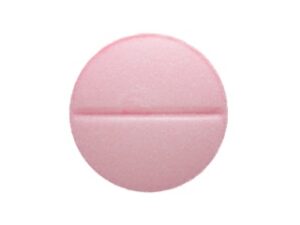
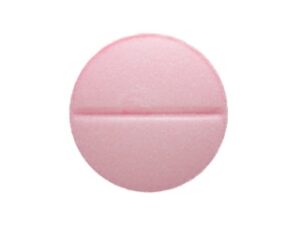
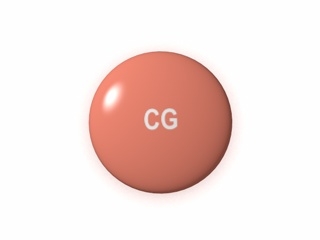
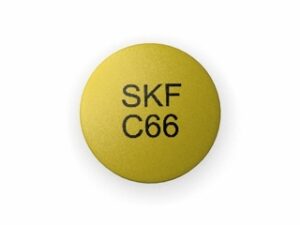
| Available Forms and Strengths |
|
| Manufacturers | Pharmatel Fresenius Kabi Australia, GlaxoSmithKline, Aspen Pharmacare |
| Prescription Status | Schedule 4 (Prescription only medicine in Australia) |
Mechanism of Action
Plain language: Lithium works by helping to stabilise mood. It does this by affecting the way nerve cells in your brain send messages to each other. These chemical messages influence mood, emotions, and behaviour, and lithium can help prevent extreme highs (mania) and lows (depression).
For specialists: Lithium’s exact mechanism is not fully understood. It modulates synaptic neurotransmitter levels, reduces excitatory dopaminergic and glutamatergic pathways, enhances inhibitory GABAergic signaling, and inhibits second messenger systems (inositol monophosphatase). Lithium also influences neuroprotective factors and gene expression involved in mood regulation.
Pharmacokinetics
- Absorption: Lithium carbonate is absorbed slowly from the gut. Maximum blood levels occur 1–3 hours (immediate release) or 4–8 hours (controlled release) after oral intake.
- Distribution: Distributes widely in body water, does not bind to plasma proteins.
- Metabolism: Not metabolised by the liver.
- Elimination: Excreted almost entirely by the kidneys. The elimination half-life in adults is ~18–36 hours (can be much longer in the elderly).
- Duration of action: Effects take 7–14 days for full mood stabilisation.
Use in Everyday Life and Best Practices
Lithium is typically used for long-term stabilisation in bipolar disorder, prevention of mania and depression, and as an add-on treatment for some types of depression that have not fully responded to other medicines. In Australia, it can also be used for certain off-label uses under psychiatric supervision.
- Take lithium at the exact times prescribed. Most Australians will take lithium once or twice daily, regularly, at the same time each day.
- Individual doses depend on your blood lithium levels and kidney function. Your doctor will arrange regular blood tests to measure the amount of lithium in your body. Never adjust your dose or stop treatment yourself.
- Keep yourself well hydrated, especially in the Australian summer. Dehydration can raise lithium levels in your blood, increasing the risk of side effects.
- Be careful if you start or stop a low-salt diet: sudden changes can affect lithium levels.
Dosing in the Morning vs Evening
| Timing | Advantages | Disadvantages | Tips |
|---|---|---|---|
| Morning | Less likely to impact sleep; easy to remember with breakfast | May cause day-time side effects (tremor, nausea) | Pair with food/drink to lower stomach upset |
| Evening | May reduce day-time side effects; convenient for some | Can cause night-time urination, sleep disruption | Avoid just before bed if nocturia is a problem |
Your prescriber will advise on the best schedule for you. Whichever time you pick, take lithium consistently to avoid blood level fluctuations.
Taking with Food or on an Empty Stomach
Lithium may be taken with or without food, though many Australians find it easier on the stomach if taken with a meal or snack. Food does not significantly alter lithium absorption but can reduce stomach upset. If you follow typical Australian diets (with moderate salt intake and regular hydration), this will help maintain stable lithium levels.
- Drink plenty of water, especially in hot climates.
- Eat regular meals with consistent salt levels.
- If you have an upset stomach, try taking lithium with food.
Interaction Warnings
| Substance or Medicine | Effect | Advice |
|---|---|---|
| Alcohol | Increases drowsiness, affects mood and lithium levels | Limit or avoid alcohol while taking lithium |
| ACE inhibitors (e.g. perindopril), ARBs | Increase lithium levels (risk of toxicity) | Tell your doctor if prescribed these medicines |
| NSAIDs (e.g. ibuprofen, naproxen) | Can raise lithium levels | Only use under medical advice |
| Diuretics (water tablets, especially thiazides) | Increase lithium levels drastically | Avoid or inform your doctor |
| Antipsychotics, Antidepressants | Possible additive effects or side effects | Close medical supervision needed |
| High or low salt foods | Changes in salt intake alter lithium levels | Keep salt intake steady; notify doctor if you change your diet |
Indications
| Indication | Approval Status | Notes |
|---|---|---|
| Bipolar disorder (mania, maintenance) | Approved | First-line for mania and relapse prevention |
| Major depressive disorder (augmentation) | Approved (add-on) | With antidepressants, when unresponsive |
| Certain schizoaffective disorders | Off-label | Specialist supervision |
| Cluster headaches | Off-label | Consult neurologist |
Dosing According to Clinical Indications
| Population | Starting Dose | Typical Maintenance Dose | Target Blood Level |
|---|---|---|---|
| Adult (Bipolar Disorder) | 250–400 mg daily in 1–2 doses | 500–1,200 mg daily | 0.6–1.0 mmol/L (measured 12 hours after dose) |
| Older adults (≥ 65 years) | Lower doses; often 150–300 mg daily | 300–800 mg daily | 0.4–0.8 mmol/L |
| Pediatric (rare, specialist use only) | 10–20 mg/kg/day | Individually adjusted | 0.6–1.0 mmol/L |
Note: All doses must be guided by blood tests. Never change your dose without a doctor’s advice.
Safety Profile & Side Effects
| Frequency | Side Effects | Notes |
|---|---|---|
| Common (>10%) | Thirst, increased urination, tremor, mild stomach upset, weight gain | Often lessen with time or dose adjustment |
| Occasional (1–10%) | Diarrhoea, drowsiness, muscle weakness, memory difficulty, acne, hypothyroidism | Doctor may order thyroid/kidney checks |
| Rare (<1%) | Toxicity (vomiting, severe tremor, confusion, unsteady walk), heart rhythm changes, kidney dysfunction | Seek urgent medical help if suspected |
- Regular blood tests (lithium, kidney, thyroid) are essential during treatment.
- Elderly and those with kidney issues are at higher risk of toxicity.
Guidelines for Proper Use: Australia Conditions
- Fill prescriptions only at Australian-licensed pharmacies.
- Keep lithium out of reach of children.
- Take lithium exactly as prescribed; do not skip or double up doses.
- Tell your healthcare team about all other medicines, natural supplements, or recent health changes.
- If you become ill with vomiting, diarrhoea, fever, or excessive sweating (e.g., during hot weather or sport), see your doctor: these can cause dehydration, affecting lithium safety.
- Alert your GP or pharmacist if you plan to change your salt or water intake, or if you travel to a markedly different climate within Australia.
- Do not share your medicine with others, even if symptoms appear similar.
Alternative Treatment Options
Several other medicines are used to treat bipolar and related conditions in Australia. These may be used on their own or with lithium.
- Sodium valproate (Epilim): Also used for mood stabilisation. Sometimes better tolerated but not suitable in pregnancy.
- Lamotrigine (Lamictal): Effective in bipolar depression. Slow dose increase, risk of skin rash.
- Quetiapine (Seroquel), Olanzapine (Zyprexa): Atypical antipsychotics, can be used as mood stabilisers. Different side effect profiles (weight gain, sedation, metabolic effects).
- Carbamazepine (Tegretol): Sometimes used; more monitoring required for interactions.
Your doctor or mental health team will help you choose the right option.
Legal, Registration, and Reimbursement Status in Australia
- Regulatory approval: Registered with the Therapeutic Goods Administration (TGA) for bipolar disorder.
- Legal status: Prescription only (Schedule 4). Dispensing by registered Australian pharmacists only.
- Reimbursement: Listed on Pharmaceutical Benefits Scheme (PBS) for indicated conditions (e.g. bipolar disorder, resistant depression). PBS reimbursement reduces patient cost for eligible Australians.
- Monitoring: Mandatory blood test registration in some states; regular medical reviews required.
Latest Research and Clinical Guidance (2022–2025)
- 2023 Royal Australian and New Zealand College of Psychiatrists (RANZCP) mood disorder guidelines: Lithium remains first-line for bipolar disorder relapse prevention due to proven efficacy and reduced suicide risk.
- Recent Randomised Trials: Comparative studies (2022–2024, e.g., Bauer et al., Lancet Psychiatry; Geddes et al., NEJM) confirm lithium’s superior long-term relapse prevention versus many alternatives.
- Neuroprotective effects: New data (JAMA Psychiatry, 2023) suggest lithium may reduce risk of cognitive decline and protect against dementia in some patient groups.
- Australian research: Ongoing studies examine optimal Australian dosing, tailored blood level targets, and strategies for minimising side effects in the Australian population.
Availability and Delivery
| Form/Strength | Common Pack Sizes | Indicative PBS Price* | Delivery to Major Cities (business days)** |
|---|---|---|---|
| Tablets, 250 mg | 100 tablets | $6.70 (general); $42.00 (private) |
|
| Tablets, 400 mg | 100 tablets | $6.70 (general); $42.00 (private) | As above |
| Oral solution | 200 mL | $6.70 (PBS subsidised); $65.00 (private) | As above |
**Delivery times may depend on pharmacy chain, supply status, and public holidays.
Frequently Asked Questions
- How long will I need to take lithium?
For many people with bipolar disorder, lithium is a long-term (sometimes lifelong) treatment. This reduces the risk of mood relapse. Your doctor will regularly review your need for ongoing therapy. - Do I need regular blood tests?
Yes. Regular blood tests are essential to make sure lithium is at a safe, effective level. They also monitor thyroid and kidney function. Your doctor and pharmacist will explain the schedule. - What happens if I miss a dose?
Take it as soon as you remember. If it’s nearly time for the next dose, skip the missed one. Do not double up. Missing doses may increase your risk of mood relapse or side effects. - Is it safe to drink alcohol?
It’s best to limit or avoid alcohol while on lithium, as it can worsen mood symptoms and raise the risk of dehydration, drowsiness, and toxicity. - Can I take lithium in pregnancy or breastfeeding?
Lithium use during pregnancy and breastfeeding requires special medical supervision. Speak to your doctor before planning a pregnancy or if you become pregnant on lithium.