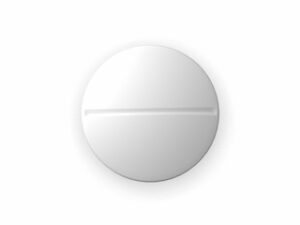
Flavoxate Hydrochloride – Patient Information for Australia
Basic Product Information
| International Non-Proprietary Name (INN) | Flavoxate Hydrochloride |
|---|---|
| Common Australia Brand Names | Urispas®, Genurin® |
| ATC Code | G04BD02 |
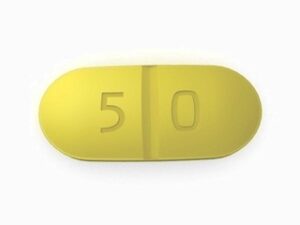
| Available Forms & Strengths | Tablets: 200 mg |
| Manufacturers | Pfizer Australia, Aspen Pharmacare, local generic manufacturers |
| Prescription Status | Prescription only (S4 - Schedule 4: Prescription Medicine) |
Mechanism of Action
- Simple Explanation: Flavoxate Hydrochloride is a muscle relaxant. It works by relaxing the muscles of the bladder, helping to reduce symptoms like pain, spasms, and the urgent or frequent need to urinate.
- Specialist Detail: Flavoxate acts as a direct spasmolytic agent on smooth muscle tissue, particularly in the urinary tract. It inhibits phosphodiesterase, increases intracellular cAMP and cGMP, and exerts mild anticholinergic activity without affecting the detrusor muscle as significantly as pure antimuscarinics, helping to reduce involuntary muscle contractions in the bladder wall.
Pharmacokinetics
- Absorption: Rapidly absorbed from the gastrointestinal tract after oral administration.
- Distribution: Well-distributed throughout the body; crosses placenta but not known to accumulate in breastmilk at clinically significant levels.
- Metabolism: Extensively metabolised in the liver to several metabolites, excreted mainly in the urine.
- Elimination: Most of the drug and its metabolites are eliminated via the kidneys (urine).
- Duration of Action: Symptom relief is typically observed within 30–60 minutes, lasting 6–8 hours.
Use in Everyday Life and Best Practices
Flavoxate HCl is prescribed to adults and sometimes older children to relieve symptoms of overactive bladder or irritation in the urinary tract, such as pain, urgency, and frequent urination.
Best uses and everyday advice in Australia:- Take as prescribed by your doctor – usually three to four times daily.
- Swallow the tablet whole with a glass of water.
- Follow your doctor’s advice if you're also prescribed antibiotics for underlying infection.
- Keep taking your medication regularly to prevent symptom flare-ups.
- Inform your pharmacist or GP if you notice any unwanted effects.
- Use in children under 12 is rare and specialist-directed.
Dosing in the Morning vs Evening
- Morning use: Can help prevent symptoms during daytime activities. Taking Flavoxate in the morning is encouraged if symptoms are worst in the early part of the day.
- Evening use: Useful for night-time symptoms (e.g., nocturia). However, because the medicine can cause mild drowsiness in some people, those with night-time symptoms may benefit from a dose in the evening. Avoid activities requiring mental alertness if drowsiness occurs.
- Tip: Take at evenly spaced times if dosing more than once a day, as advised by your healthcare provider.
Taking with Food or on an Empty Stomach
- Flavoxate can be taken with or without food. For some patients, taking it with meals may reduce the likelihood of mild stomach upset or nausea.
- No significant interactions with common English/Australia diets are reported.
- If sensitive to gastrointestinal discomfort, consider taking your dose after breakfast, lunch, or evening meals.
Interaction Warnings
| Item | Advice / Caution |
|---|---|
| Other anticholinergic medications (e.g., oxybutynin, tolterodine) | Combined use may increase side effects (dry mouth, constipation, drowsiness). |
| Alcohol | May enhance drowsiness or dizziness. Avoid or limit consumption while using flavoxate. |
| Tricyclic antidepressants, antihistamines | May increase anticholinergic effects. Consult with your GP before combining. |
| Food | No significant food-drug interactions identified; take as convenient. |
| Antibiotics | No direct interaction, but inform your healthcare provider about all medicines taken together. |
| Glaucoma medications | Flavoxate may worsen narrow-angle glaucoma. Report eye pain or vision changes urgently. |
| Urinary tract medications (other) | Combined therapy is sometimes used under GP/consultant direction only. |
Indications
| Type | Specific Indications |
|---|---|
| Official (TGA-approved) | Symptomatic relief of: - Dysuria (painful urination) - Urgency and frequency (overactive bladder symptoms) - Bladder spasms from urinary tract infection, cystitis, prostatitis, urethritis - Irritation due to indwelling catheters or urological surgery |
| Off-label (Specialist use) | - Adjuvant therapy in interstitial cystitis - Paediatric urinary frequency (with specialist clearance) - Painful bladder syndrome |
Dosing According to Clinical Indications
| Population | Typical Dose | Notes |
|---|---|---|
| Adults (18–64 years) | 200 mg, three to four times daily | May be reduced to 100 mg if appropriate |
| Elderly (65+ years) | 200 mg, three times daily | Cautious use; monitor for side effects |
| Adolescents (12–17 years) | 200 mg, three times daily | Use only on specialist recommendation |
| Children (6–12 years) | Not commonly recommended; specialist only | Lower doses may be used off-label |
Safety Profile & Side Effects
Most people take flavoxate without significant problems. Like all medicines, it can cause some side effects. Monitor for the following:
| Frequency | Effects |
|---|---|
| Common (>1/100) | - Dry mouth - Drowsiness, tiredness - Mild nausea or indigestion - Blurred vision - Headache - Upset stomach - Dizziness, especially in elderly |
| Uncommon | - Rash or itching - Difficulty urinating - Palpitations (awareness of heartbeat) |
| Rare/Serious | - Allergic reactions (swelling, severe rash, breathing issues) — seek medical attention - Glaucoma flare (eye pain, vision change) |
| Warnings | - Not suitable for people with severe gastrointestinal bleeding, obstructive uropathy, or certain types of glaucoma - Use with caution in the elderly, those with heart, prostate, or kidney problems |
Guidelines for Proper Use
- Always take Flavoxate HCl exactly as prescribed by your GP or specialist.
- Report any persistent dry mouth, urinary difficulty, or constipation to your healthcare provider.
- Avoid driving or operating machinery if you feel drowsy or your vision is affected.
- Store tablets below 25°C, away from moisture and direct sunlight.
- Return unused or expired medicine to your local pharmacist for safe disposal.
- Inform any healthcare professional treating you that you are taking flavoxate, especially if there is a change in medication.
- If you miss a dose, take it as soon as you remember. If it is nearly time for your next dose, skip the missed dose—do not double up.
Alternative Treatment Options
- Antimuscarinic Medicines: e.g., oxybutynin, tolterodine, solifenacin — more widely used, similar efficacy, potentially higher rates of dry mouth, constipation.
- Beta-3 adrenergic agonists: e.g., mirabegron — effective for overactive bladder, minimal anticholinergic effects, but may not be suitable for all patients.
- Non-drug approaches: bladder retraining, pelvic floor physiotherapy — recommended as first-line management, especially before medicines are tried.
- Phytotherapy/herbal remedies: not reimbursed by Medicare and not routinely recommended due to limited evidence.
Pros and Cons:
- Antimuscarinics: strong efficacy, more side effects
- Mirabegron: fewer side effects, can cause high blood pressure
- Flavoxate: may cause less dry mouth/constipation, role in bladder spasm from surgery/catheter
Legal, Registration, and Reimbursement Status in Australia
- Registered for use in Australia by the Therapeutic Goods Administration (TGA).
- Prescription required (Schedule 4 medicine).
- Not typically listed on the Pharmaceutical Benefits Scheme (PBS) for routine overactive bladder management—check with your pharmacist for current status and eligibility.
- Medicare/health fund rebates available for GP or urologist consults, but not always for the medication cost.
Latest Research and Clinical Guidance
- Recent Australian and international guidelines (EAU 2024, NICE 2023) suggest flavoxate may be considered as an option for selected patients, especially those intolerant of pure antimuscarinics or with bladder spasm after surgery or catheter procedures.
- A 2022 Cochrane review found that while flavoxate is moderately effective for reducing urinary frequency, evidence for superiority over alternatives is limited; side effects are generally milder than those of classic anticholinergics.
- Australian clinicians highlight the value of non-pharmacological strategies as first-line management, pairing medications like flavoxate with behavioural and physiotherapy interventions (Urology Society of Australia, 2024).
Availability and Delivery
| Pack Size | Approximate Price (AUD) | Australian Major City Delivery | Estimated Delivery Time |
|---|---|---|---|
| 30 tablets (200mg) | $28–$35 | Sydney, Melbourne, Brisbane | 1–3 business days (metro) |
| 90 tablets (200mg) | $69–$80 | Perth, Adelaide, Canberra | 2–4 business days (metro); rural may take longer |
| Custom quantities | Ask in-store/pharmacy online | Australia-wide | Varies by pharmacy service and location |
Frequently Asked Questions (FAQ)
- Can flavoxate cure my bladder condition?
Flavoxate does not cure underlying bladder or urinary tract conditions. It helps relieve symptoms such as pain, urgency, frequency, and bladder spasms. Your doctor may suggest other therapies to address the underlying cause. - Can I drink alcohol while taking flavoxate?
It is best to limit or avoid alcohol as it can increase side effects such as drowsiness, dizziness, and impaired reaction times. - Is flavoxate safe during pregnancy and breastfeeding?
Flavoxate should not be used during pregnancy or breastfeeding unless prescribed by a medical specialist after careful consideration of the risks and benefits. - Can flavoxate be used with other bladder medications?
Sometimes, combination therapy may be recommended by your GP or urologist. Always discuss your full medication list with your doctor to avoid increased side effects or interactions. - Is a script from an Australian GP needed for purchase?
Yes, flavoxate is a prescription-only medicine in Australia. You must consult a registered doctor to obtain a legal prescription.
For more personalised advice, consult your community pharmacist or general practitioner.