Doxepin: Patient Information for Australia
Basic Product Information
| International Nonproprietary Name (INN) | Doxepin |
|---|---|
| Australian Brand Names | Deptran®, Silenor® (imported), Dozepin (generic) |
| ATC Code | N06AA12 |
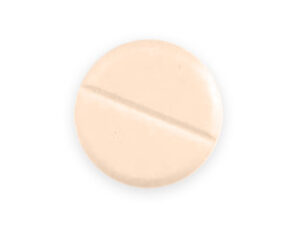
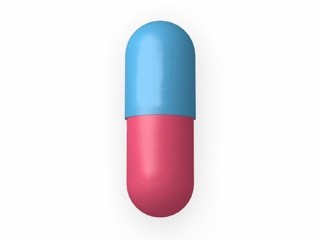
| Available Forms & Strengths | Capsules (10 mg, 25 mg, 50 mg, 75 mg) Oral solution (10 mg/mL, 25 mg/mL) Tablets (rare/imported, 3 mg, 6 mg for sleep disorders) |
| Manufacturers | Alphapharm, Arrow (Australia); Mylan (international) |
| Prescription Status | S4 – Prescription Only Medicine (valid in all states and territories) |
Mechanism of Action
For Patients: Doxepin belongs to a group of medicines called tricyclic antidepressants (TCAs). It works by altering chemicals in the brain—particularly by boosting the levels of noradrenaline and serotonin. This helps to improve mood, reduce anxiety, and makes falling asleep easier.
For Healthcare Specialists: Doxepin inhibits the reuptake of norepinephrine and serotonin at presynaptic nerve terminals and displays potent histamine H1 receptor antagonism, which contributes to pronounced sedative and anxiolytic effects. It has low anticholinergic and antimuscarinic activity relative to other TCAs.
Pharmacokinetics (How Doxepin Moves Through the Body)
- Absorption: Well absorbed orally; peak plasma concentrations reached within 2–3 hours after oral administration.
- Metabolism: Extensively metabolised in the liver (CYP2D6 primary enzyme; some CYP1A2 and CYP2C19 involvement).
- Elimination: Mainly via urine; partly in faeces. Little unchanged drug excreted.
- Duration of Action: Half-life varies (8–24 hours); effects often last until the next day if taken late at night.
Use in Everyday Life and Best Practices (Australia)
Typical Doses & How to Take
- Depression/Anxiety: Common adult starting dose is 25–50 mg at bedtime, increased gradually to 75–150 mg per day if needed, usually divided.
- Sleep Disorders (Insomnia): Low doses (3–6 mg tablets or 10 mg capsules) taken 30 minutes before bedtime.
- Chronic Pain/Itching: Usually 10–25 mg each night, adjusted by prescriber.
Always take Doxepin as prescribed. To avoid daytime drowsiness, take it in the evening. It's important to follow your doctor’s advice on timing and dose.
Practical Advice:
- Do not suddenly stop taking Doxepin unless directed by your doctor (withdrawal may occur).
- If you miss a dose, take it as soon as you remember unless it’s almost time for your next dose. Never double up.
- Store in a cool, dry place below 25°C; keep away from children.
Dosing in the Morning vs Evening
| Time of Dose | Advantages | Disadvantages | Advice |
|---|---|---|---|
| Morning | May avoid insomnia in rare cases where sedative effect wears off overnight. | Can cause significant drowsiness, impairing work/school activities. | Generally not recommended due to risk of daytime sedation. |
| Evening | Maximises sleep-supporting effects, minimises daytime drowsiness. | If taken too late, "hangover effect" possible next morning. | Take 30–60 minutes before bedtime for sleep; follow prescriber’s instructions for other uses. |
Taking With or Without Food (Australian Dietary Context)
- With Food: Taking Doxepin with food may delay absorption slightly but does not reduce effectiveness. Sometimes recommended if it causes stomach upset.
- Without Food: Quickest action if taken on an empty stomach, which may suit those taking it for sleep problems.
- Practical Tip: In Australia, Doxepin is often taken after dinner, allowing for bedtime dosing and less impact on morning alertness.
Interaction Warnings
| Interacting Substance/Class | Possible Effect | Advice |
|---|---|---|
| Alcohol | Increased sedation, impaired coordination | Avoid alcohol while taking Doxepin |
| MAOIs (older antidepressants) | Dangerous reactions (hypertensive crisis, fever) | Do not use Doxepin within 14 days of MAOI treatment |
| Other CNS depressants (e.g., benzodiazepines, opioids) | Enhanced sedative effects, risk of overdose | Use only under close medical supervision |
| CYP2D6 inhibitors (e.g., fluoxetine, paroxetine, quinidine) | Higher Doxepin levels, increased risk of side effects | Doctor may adjust Doxepin dose |
| Antihistamines, anticholinergics | Excessive dryness, urinary retention, constipation | Monitor and consult doctor if symptoms occur |
| QT-prolonging medicines (certain antibiotics, antipsychotics) | Risk of heart rhythm changes | Additional monitoring may be needed |
Indications (Uses)
| Indication | Status | Notes |
|---|---|---|
| Major depressive disorder (MDD) | Official | Adults & older adults; PBS reimbursed |
| Generalised anxiety disorder | Official | Mainly where depression co-exists |
| Insomnia (sleep disturbance) | Official (Sleep Australia, TGA) | Low-dose only; off-label for chronic insomnia in higher doses |
| Chronic pruritus (itching) | Off-label | Especially elderly or dermatology referrals |
| Chronic pain syndromes (neuropathic, fibromyalgia) | Off-label | On specialist recommendation |
Dosing According to Clinical Indication
| Indication | Adults | Children (≥12 years) | Elderly |
|---|---|---|---|
| Depression/Anxiety | 25–75 mg at night, up to 150 mg/day | Generally not recommended | 10–25 mg at night; increase cautiously |
| Insomnia | 3–6 mg 30–60 minutes before bed (US tablets); 10 mg (capsule if available) | Not recommended | 3 mg; titrate by response |
| Chronic pruritus/pain | 10–25 mg at night | Not recommended | Start 10 mg at night |
Safety Profile and Side Effects
- Very Common (≥1 in 10): Drowsiness, dry mouth, constipation
- Common (≥1 in 100): Blurred vision, dizziness, weight gain, increased appetite, trouble urinating, mild low blood pressure when standing
- Uncommon/Rare: Irregular heartbeat, confusion (especially elderly), allergic rash, serotonin syndrome (with other medicines)
- Warnings: Use with caution in glaucoma, prostate problems, cardiac or liver disease. Risk of self-harm may increase in early weeks of depression treatment; close follow-up advised in younger adults.
What To Do If Side Effects Occur:
- Mild reactions often settle as body adjusts. Contact your pharmacist or doctor if bothersome.
- Stop and seek urgent help for swelling of lips/tongue, difficulty breathing (signs of allergy), chest pain, or severe confusion.
Guidelines for Proper Use (Advice for Australians)
- Take exactly as prescribed by your doctor or pharmacist; do not self-adjust the dose.
- Preferably take at the same time each night, ideally after dinner or before bed.
- Limit alcohol and avoid recreational drugs while using Doxepin.
- If taking for sleep, avoid caffeine-containing foods or drinks in the evening for maximum benefit.
- Keep all medications in original packaging, away from children and direct sunlight.
- If you plan to drive, operate machinery, or require mental alertness, assess how Doxepin affects you—some people are sensitive to even low doses.
- Let every healthcare provider (GP, dentist, pharmacist) know you take Doxepin, as it can interact with many common medicines.
- Attend all follow-up appointments. Your doctor will review your need for ongoing treatment regularly.
Alternative Treatment Options
- SSRIs (e.g., sertraline, fluoxetine): Less sedating, preferred first-line for depression/anxiety. Fewer side effects like drowsiness or weight gain, but may not help sleep as much. PBS reimbursed.
- Other TCAs (e.g., amitriptyline, nortriptyline): Similar to Doxepin, but different sedation and side effect profiles.
- Mirtazapine: Also sedating, helpful for sleep and appetite; weight gain common.
- Sleep medications (zopiclone, benzodiazepines): Short-term only due to dependence risk. Not PBS reimbursed for ongoing use.
- Melatonin: Non-prescription in Australia for short-term sleep disturbances; fewer side effects but may be less potent.
- Psychological therapies: Cognitive behavioural therapy (CBT) and counselling. Recommended as first-line for insomnia and mild-to-moderate anxiety/depression.
Legal, Registration, and Reimbursement Status in Australia
- Regulators: Doxepin is registered with the Therapeutic Goods Administration (TGA) and listed on the Pharmaceutical Benefits Scheme (PBS) for depression and anxiety.
- Prescription Requirement: Schedule 4 (S4)—only available via prescription from registered medical practitioners throughout Australia.
- Reimbursement: PBS subsidy applies for certain indications (depression/anxiety). Sleep or chronic pain uses usually private scripts, not PBS reimbursed.
- Safety: Monitored under the Australian Adverse Drug Reaction System (ADRS).
Latest Research and Clinical Guidance (2022–2025)
- Royal Australian & New Zealand College of Psychiatrists (RANZCP), 2022: Doxepin remains a useful option where SSRIs are ineffective or poorly tolerated, particularly if sedation is desired.
- Sleep Australia Guideline, 2023: Low-dose Doxepin is supported for sleep-onset and sleep-maintenance insomnia in adults, with emphasis on non-pharmacological options as first-line.
- Australian Prescriber, 2023: Recommends cautious dosing and ECG monitoring for those with pre-existing cardiac disease or on multiple medications.
- International Review (Lancet Psychiatry, 2024): Low-dose Doxepin is effective and well-tolerated for insomnia; minimal next-day impairment if taken early in the evening.
Availability and Delivery Information
| Pack Size | Indicative Price (AUD) | Estimated Home Delivery Time |
|---|---|---|
| 30 Capsules (10 mg, 25 mg) | $16–24 (PBS price: ~$6.60 with concession) | 1–2 working days (Sydney, Melbourne, Brisbane), 2–4 days (other major cities), up to 1 week for remote/rural areas |
| 60 Capsules (50 mg) | $26–38 (PBS price: ~$6.60 with concession) | 1–3 working days (metro), 2–5 days (regional/remote) |
| 100 mL Oral Solution (10 mg/mL) | $48–63 (private script) | Pre-order may be required; 2–7 days depending on location |
FAQ: Doxepin – Patients’ Most Common Questions
- How long does it take for Doxepin to work?
For depression or anxiety: Some people feel better after 1–2 weeks, but it may take up to 4–6 weeks to notice full benefit. For sleep, effects are usually noticeable after the first dose. - Is Doxepin addictive?
Doxepin is not considered addictive or habit-forming. However, suddenly stopping can cause withdrawal symptoms (e.g., irritability, upset stomach, sleep disturbances). Always consult your doctor before stopping. - Can I take Doxepin with other medicines?
Many medicines can interact with Doxepin—especially antidepressants, sedatives, and certain heart medications. Always share a full list of your medicines (including natural remedies and over-the-counter drugs) with your pharmacist and doctor. - Is Doxepin safe in pregnancy and breastfeeding?
There is limited information about the safety of Doxepin in pregnancy and breastfeeding. If you are pregnant, planning a pregnancy, or breastfeeding, your doctor will weigh the benefits and risks for your individual circumstances. - What should I do if I miss a dose?
Take the missed dose as soon as you remember, unless it is close to the next scheduled dose. Do not double up. For sleep, skip the missed dose if it is already daytime.
Summary
Doxepin is a versatile medicine used in Australia for depression, anxiety, sleep problems, and some chronic pain or itch conditions. It is effective, especially where sedation is helpful, but must be used carefully under medical supervision. Always follow your doctor’s advice, be aware of potential interactions, and keep up with recommended reviews for long-term treatment.