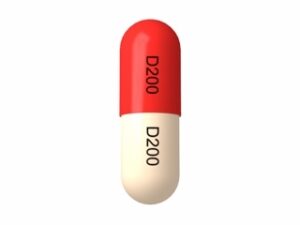
Cyklokapron (Tranexamic Acid): Comprehensive Patient Guide for Australia
Basic Product Information
- International Non-proprietary Name (INN): Tranexamic acid
- Brand Names Available in Australia: Cyklokapron®, Tranexamic acid Sandoz, Tranexamic acid Apotex
- Anatomical Therapeutic Chemical (ATC) Code: B02AA02
- Available Forms & Strengths:
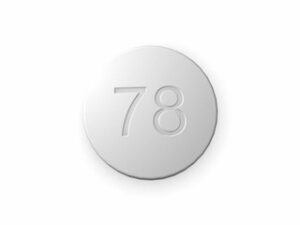
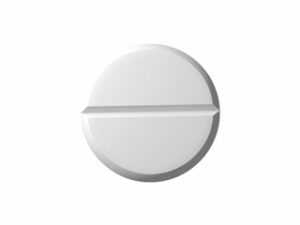
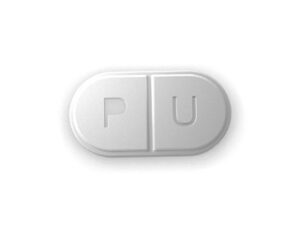
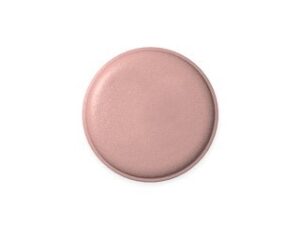
- Tablets: 500 mg
- Oral solution: Not regularly available in AU
- Injection: 100 mg/mL (ampoules for hospital use)
- Manufacturers: Pfizer Australia, Sandoz (Australia), Apotex Pty Ltd
- Prescription Status: Prescription only medicine (Schedule 4, S4 in Australia)
Mechanism of Action
- For Patients: Tranexamic acid helps your blood to clot by stopping the breakdown of clots. This means it can help slow or stop excessive bleeding in certain conditions.
- For Specialists: Tranexamic acid is a synthetic lysine analogue that competitively inhibits plasminogen activation and, at higher doses, non-competitively inhibits plasmin, preventing fibrin degradation and stabilising blood clots.
Pharmacokinetics
- Absorption: Rapidly absorbed after oral administration; peak blood concentration within 2-3 hours.
- Distribution: Low protein binding; crosses into all bodily fluids.
- Metabolism: Minimal hepatic metabolism; mostly excreted unchanged.
- Elimination: Mainly via urine (renal excretion); half-life approx. 2-3 hours.
- Duration of Action: Effect lasts 6-8 hours, may vary by indication and patient.
Everyday Use and Best Practices
Typical Doses
- For heavy menstrual bleeding: 1,000 mg (2 × 500 mg tablets) taken 3 times daily, usually for up to 4 days during the period.
- For dental procedures, nosebleeds, or following trauma/surgery: Dose individualised; follow your doctor’s instructions.
- Always take with a large glass of water. Do not exceed the prescribed dose.
How to Use in an Australian Context
- Take tablets as soon as heavy bleeding starts, not before.
- If you forget a dose, take it as soon as you remember unless it’s nearly time for your next dose.
- Store tablets below 25°C; protect from moisture and heat—room temp is fine in most English homes.
Dosing: Morning vs Evening
- No strict requirement for morning or evening use—dosing interval (every 8 hours) is more important for maintaining consistent blood levels.
- Tip: Take doses at the same time each day for best results (e.g., after breakfast, lunch, and dinner).
- Morning use may suit those with regular routines, but follow your doctor's advice for your bleeding pattern.
- Avoid taking doses too close together or skipping overnight doses unless advised by your doctor.
Taking with Food or on an Empty Stomach
- Can be taken with or without food. Taking with food may reduce stomach upset for some people.
- No special dietary restrictions are needed. Continue with your normal English/Australian diet unless otherwise instructed.
- Drink plenty of water.
Interactions
| Interaction Type | Examples | Advice |
|---|---|---|
| Medicines | Oral contraceptives, other antifibrinolytics, anticoagulants, blood clotting factors | May increase risk of thrombosis (blood clots). Always inform your doctor of all medicines you're taking. |
| Food | No known clinically significant interactions | Maintain your usual healthy diet. |
| Alcohol | No direct interactions, but alcohol can worsen bleeding or affect liver/kidney function. | Limit or avoid alcohol when using Cyklokapron, especially after surgery or trauma. |
| Herbal Supplements | St John’s Wort, ginkgo, garlic (at high doses) | May affect bleeding risk. Notify your pharmacist if using these products. |
Indications
| Indication | Approved (PBS/Australia) | Off-Label Use |
|---|---|---|
| Heavy menstrual bleeding (menorrhagia) | Yes | No |
| Prevention & treatment of bleeding during/after surgery (especially dental procedures in haemophilia) | Yes | Yes |
| Nosebleeds (epistaxis) | No | Common off-label |
| Traumatic bleeding (first aid in trauma settings, military use) | No | Growing (guided by hospital protocols) |
| Hereditary angioedema attacks | No | Occasional off-label |
| Postpartum haemorrhage | No | Recommended in international guidelines |
Dosing According to Clinical Indication
| Indication | Adults | Children | Elderly |
|---|---|---|---|
| Heavy menstrual bleeding | 1,000 mg 3×/day for up to 4 days | Not typically used | Same as adults; caution with kidney problems |
| Surgical bleeding (dental/ENT/orthopaedics) | 1,000 mg 2-3×/day or 10-15 mg/kg/dose | 10 mg/kg 2-3×/day (specialist advice) | Cautious dosing, monitor renal function |
| Trauma (hospital protocol) | 1,000 mg IV initially, repeat per protocol | Specialist protocol | As per adult; dose adjustment if renal impairment |
- Always follow your doctor or hospital’s advice for your specific needs.
- Dose may be lower if you have kidney problems.
Safety Profile & Side Effects
| Frequency | Side Effect | Warning/Advice |
|---|---|---|
| Common (1-10%) | Nausea, vomiting, diarrhoea, abdominal pain, headache, muscle cramps | Usually mild and temporary. Take with food if stomach upset occurs. |
| Uncommon (0.1-1%) | Changes in colour vision, skin rash | Stop medicine; seek medical advice for vision changes or persistent rash. |
| Rare (<0.1%) | Blood clots, kidney problems, serious allergic reactions | Seek urgent care if you develop leg swelling, chest pain, difficulty breathing, or severe dizziness. |
- Tell your doctor immediately if you notice blood in the urine, changes in vision, or unusual bruising or swelling.
- Not suitable if you have a history of blood clots or certain eye disorders.
Guidelines for Proper Use (Pharmacist/Clinic Advice)
- Read the Consumer Medicine Information (CMI) leaflet provided with your medicine.
- Only take Cyklokapron as directed by your doctor or pharmacist.
- Report any unexpected side effects or symptoms to your healthcare team promptly.
- If you are undergoing surgery or dental work, inform your healthcare provider that you are taking or have taken Tranexamic acid.
- If pregnant, breastfeeding or planning pregnancy, inform your doctor before starting or continuing this medicine.
Alternative Treatment Options
- Non-drug alternatives for heavy menstrual bleeding: Mirena® (LNG-IUS), combined oral contraceptive pill, NSAIDs (e.g., mefenamic acid).
- Other Medicines: Ethamsylate (not widely PBS listed in AU), desmopressin (for some bleeding disorders).
- Tranexamic acid is considered safer and preferred over other antifibrinolytics due to its lower side effect profile and cost.
- Hormonal and surgical therapies may be considered if medicines do not control symptoms.
Legal, Registration & Reimbursement Status in Australia
- Registered with the Therapeutic Goods Administration (TGA).
- Classified as Prescription Only (Schedule 4).
- Available on the Pharmaceutical Benefits Scheme (PBS) for approved indications (e.g., heavy menstrual bleeding, certain surgeries).
- Private insurance may reimburse off-label indications based on specialist support.
- Only pharmacists and prescribers may supply this medicine.
Latest Research and Clinical Guidance (2022–2025)
- A large 2023 Australian RCT (NEJM) confirmed the effectiveness of tranexamic acid in reducing blood loss in elective surgery without increasing clot risk.
- 2024 ANZ College of Obstetricians & Gynaecologists: Consider as first-line therapy for heavy menstrual bleeding in non-hormonal candidates.
- ONGOING: Postpartum haemorrhage studies (WOMAN-2 trial, Lancet 2023) recommend tranexamic acid as early intervention in maternal bleeding worldwide.
- Safety updates: Recent European and UK guidelines confirm low risk of clotting with correct dosing and appropriate patient selection (see: NICE guideline NG88, 2021; TGA 2022 safety review).
Availability, Packaging & Delivery
| Pack Size | Contents | Indicative PBS Price* |
|---|---|---|
| 30 tablets | 500 mg each | $9.15 (concession), ~$25.00 (private) |
| 100 tablets | 500 mg each | ~$70.00 (private only) |
| City | Average Delivery Time from Major Online Pharmacies |
|---|---|
| Sydney | 1-2 business days |
| Melbourne | 1-2 business days |
| Brisbane | 2-3 business days |
| Perth | 3-5 business days |
| Adelaide | 2-3 business days |
| Regional/Rural | 3-7 business days (may vary) |
- *PBS price subject to change. Private prices vary by pharmacy and pack size.
- Always keep medicines out of reach of children and never share prescription medication.
FAQ – Frequently Asked Patient Questions
- 1. Can Cyklokapron be used for period pain?
Tranexamic acid is not a painkiller. It reduces heavy bleeding but will not relieve period pain. You may use a suitable pain reliever (such as paracetamol or mefenamic acid) if approved by your doctor. - 2. Is it safe if I have a family history of blood clots?
You must tell your doctor if you or your family have had blood clots. Tranexamic acid is not recommended for people with a high personal or family risk of blood clots. - 3. What should I do if I miss a dose?
Take it as soon as you remember unless it's almost time for your next dose. Do not double up the dose. If unsure, ask your pharmacist for advice. - 4. Can I take Cyklokapron with the Pill (oral contraceptive)?
There may be an increased risk of blood clots if used with hormonal contraceptives. Only combine under medical supervision. - 5. Is Cyklokapron funded or discounted in Australia?
Yes, Cyklokapron and generic tranexamic acid are funded under the PBS for eligible uses. Discuss costs and options with your pharmacy team.
For further information, consult your doctor or pharmacist, or review the Consumer Medicine Information (CMI) provided with your medication.