Coreg (Carvedilol) – Comprehensive Patient Information for Australia
Basic Product Information
- INN (International Non-proprietary Name): Carvedilol
- Australian Brand Names: Coreg, Dilasig, Carvedilol Sandoz, Carvedilol APOTEX, Carvedilol Generichealth, and others
- ATC Code: C07AG02
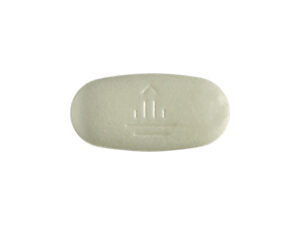
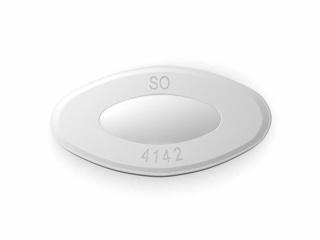
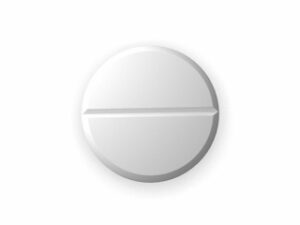
- Available Forms and Strengths: Tablets (6.25 mg, 12.5 mg, 25 mg), Modified-release capsules (varies by brand)
- Manufacturers: Various, including Roche Products Pty Limited, Apotex Pty Ltd, Sandoz Pty Ltd
- Prescription Status: Prescription Only Medicine (Schedule 4 – S4)
- Regulatory Authority: Approved by the Therapeutic Goods Administration (TGA), Australia
Mechanism of Action
In simple terms: Carvedilol lowers blood pressure and supports heart function by blocking specific receptors in your body (known as beta and alpha receptors). This relaxes blood vessels, slows your heart rate, and reduces the heart's workload, which is helpful in managing heart failure, high blood pressure, and after heart attacks.
For specialists: Carvedilol is a non-selective beta-adrenergic blocker with alpha1-blocking properties. It reduces systemic vascular resistance (via alpha1 blockade) and decreases heart rate and contractility (beta1 and beta2 blockade), resulting in decrease in cardiac output, improved left ventricular ejection fraction, and protection against catecholamine-induced myocyte injury. It also provides antioxidant properties.
Pharmacokinetics
- Absorption: Rapid oral absorption (peak plasma levels 1–2 hours for tablets). Bioavailability approx. 25–35% due to first-pass metabolism.
- Metabolism: Extensively metabolised in the liver (mainly via CYP2D6 and CYP2C9 pathways, plus minor others). Four major metabolites, two of which are active.
- Elimination: Mainly faecal (biliary excretion), small amount via urine. Half-life approx. 6–10 hours (may be increased in liver dysfunction).
- Duration of Action: 12–24 hours, depending on formulation and patient-specific factors.
Use in Everyday Life and Best Practices (Australia Context)
Coreg is commonly used in Australia for heart failure, high blood pressure, and after certain types of heart attacks. It is usually taken once or twice daily, at the same time each day, to ensure stable blood levels. Your doctor may start you on a low dose and gradually increase it, depending on your response. Always follow your prescriber’s instructions and do not suddenly stop this medication without medical advice.
- Typical Doses: Start at a low dose (e.g., 3.125 mg twice a day in heart failure), and titrate up slowly. Maintenance doses vary by condition, age, and patient tolerance.
- Take your medicine regularly, using a Dosette box or phone reminders if necessary.
- If you miss a dose, take it as soon as you remember (unless it is almost time for your next dose). Do not double up doses.
- Keep medicine in its original packaging, stored below 25°C, out of direct sunlight and moisture.
- Return any unused or expired tablets to your pharmacy for safe disposal.
Dosing: Morning vs Evening
- Coreg may be taken in the morning or evening, as long as it is at the same time each day for best effect.
- Advantages of morning dosing: May better align with natural circadian rhythms for blood pressure, can reduce risk of overnight hypotension in some patients.
- Advantages of evening dosing: May be preferred by some people for convenience or to reduce daytime tiredness.
- Tip: Choose a consistent time that fits your routine, and discuss with your doctor if unsure.
Taking with Food or on an Empty Stomach
In Australia, it is generally recommended to take Carvedilol with food. Taking it with a meal can reduce the risk of side effects like dizziness and slow the absorption, reducing peak levels and making side effects less likely. A typical English diet with main meals at breakfast and dinner is suitable — simply link your dose with a regular meal.
- Key advice: Always take Coreg with food or immediately after eating.
- Why? Food slows absorption and reduces the risk of feeling faint or dizzy, particularly when starting treatment.
- If you have special dietary needs, discuss with your pharmacist how best to coordinate medication with meals.
Interaction Warnings
| Type | Examples | What to Watch For |
|---|---|---|
| Other Medicines | Calcium channel blockers (verapamil, diltiazem), digoxin, insulin/oral diabetes medicines, antidepressants (SSRIs), CYP2D6 inhibitors (fluoxetine, paroxetine), amiodarone, clonidine, antihypertensives | Increased risk of low heart rate or low blood pressure, heart block, enhanced effect or interactions—always inform your doctor and pharmacist of all medications and supplements. |
| Food | Grapefruit or grapefruit juice Foods high in potassium (when using certain other medications or if you have kidney issues) | Grapefruit is less relevant than with some medicines but discuss with your doctor if you consume large amounts. Maintain a balanced diet as per Australian Dietary Guidelines. |
| Alcohol | Beer, wine, spirits | Increases risk of dizziness or fainting – limit alcohol, especially when starting treatment or when dose is changed. |
| Herbal Supplements | St John’s Wort, Ginseng, Hawthorn | May reduce effectiveness or affect heart rhythm – advise your doctor of all supplements. |
Indications for Carvedilol in Australia
| Condition | Use (Approved/Off-Label) | Notes |
|---|---|---|
| Chronic Heart Failure (CHF) | Approved | Standard therapy, especially for left ventricular dysfunction |
| Hypertension (High Blood Pressure) | Approved | Typically as part of combination therapy |
| Post-Myocardial Infarction (MI) with Left Ventricular Dysfunction | Approved | Reduces risk of further cardiac events |
| Atrial Fibrillation/Arrhythmias | Off-label | Sometimes used for rate control when other therapies unsuitable |
| Portal Hypertension (in Liver Cirrhosis) | Off-label | Emerging evidence; consult a specialist |
Dosing According to Clinical Indications
| Indication | Starting Dose (Adult) | Typical Maintenance Dose (Adult) | Pediatric/Elderly Adjustments |
|---|---|---|---|
| Chronic Heart Failure | 3.125 mg twice daily with food | 6.25–25 mg twice daily (dose titrated at 2 week intervals) | Start lower in elderly; not usually for children under 18 |
| Hypertension | 12.5 mg once daily | 25 mg once daily (or in divided doses) | Lower dose in elderly; rarely used in children |
| Post-MI Left Ventricular Dysfunction | 6.25 mg twice daily | 12.5–25 mg twice daily | Start very cautiously in elderly; paediatric use unlicensed |
| Off-label uses | Case-specific, much lower doses | Cautious titration, specialist-only | As above |
Safety Profile and Side Effects
As with all medicines, some people may experience side effects from Coreg. Most are mild and temporary, especially when starting treatment or after a dose increase. Serious side effects are rare, but do occur.
| Frequency | Side Effects | Notes |
|---|---|---|
| Common (1%–10%) | Tiredness, dizziness, slow pulse, feeling faint, diarrhoea, weight gain (fluid retention), headache | Often improve as your body adjusts; let your doctor know if persistent |
| Uncommon (0.1%–1%) | Mild changes in blood tests, low blood glucose, nasal congestion, leg cramps, sleep disturbances, depression | Inform your doctor if concerning or persistent |
| Rare (<0.1%) | Severe allergic reactions, marked bradycardia or heart block, worsening heart failure symptoms, serious skin rashes | Seek urgent medical review if suspected |
- Do not stop medicine suddenly — this can worsen heart problems.
- If you have asthma, diabetes, thyroid disease, or severe liver problems, inform your doctor and pharmacist before starting Coreg.
- Monitor heart rate, blood pressure, swelling, and breathing regularly, particularly during dose changes.
- Report any unexplained swelling, difficulty breathing, persistent dizziness or blackouts to your prescriber promptly.
Guidelines for Proper Use (Australia)
- Take carvedilol exactly as prescribed, with food, at the same time(s) daily.
- Tell your GP, pharmacy staff, and hospital if you are prescribed or start any new medicines or supplements.
- See your GP/nurse for regular check-ups and blood pressure/pulse monitoring.
- Report new or worsening symptoms promptly.
- Keep a patient medicine record (PMR), and consider enrolling in a Home Medicines Review (HMR) if you have multiple or complex medicines.
- Prescriptions are subsidised by the Pharmaceutical Benefits Scheme (PBS) if eligible — talk to your pharmacy about costs and repeats.
- Use eScripts for fast and secure access to repeat prescriptions.
Alternative Treatment Options
- Beta-Blockers: Metoprolol, Bisoprolol, Atenolol (varied side-effect profiles; may be more suitable if you cannot tolerate carvedilol; also PBS-subsidised)
- ACE Inhibitors: Enalapril, Perindopril – especially useful in heart failure and post-MI; often used in combination
- ARB (Angiotensin II Receptor Blockers): Candesartan, Losartan (may be used instead of ACE-inhibitors if cough develops)
- Calcium-Channel Blockers: Amlodipine – not typically used for heart failure but useful for hypertension
Comparative overview: Coreg is often preferred in heart failure because of the additional alpha-blocking activity. Metoprolol and bisoprolol are good alternatives with slightly different cardiovascular profiles. The choice depends on patient-specific factors, other medical conditions, and tolerance of side effects. All options listed are PBS-listed and commonly available in Australia.
Legal, Registration, and Reimbursement Status in Australia
- Medicine Status: Prescription only — must be prescribed by a doctor or authorised prescriber.
- Registered by: Therapeutic Goods Administration (TGA)
- PBS (Pharmaceutical Benefits Scheme): Subsidised for registered indications (heart failure, hypertension, post-MI left-ventricular dysfunction), subject to clinical criteria
- Legal classification: Schedule 4 (S4 – Prescription Only Medicine)
- Notifiable Adverse Effects: Can be reported to TGA via the Australian Adverse Drug Reactions Reporting System
Latest Research/Clinical Guidance (2022–2025)
- The 2023 Heart Foundation guidelines continue to recommend beta-blockers (including carvedilol) as first-line in heart failure with reduced ejection fraction, alongside ACE inhibitors/ARNIs and mineralocorticoid antagonists (Maddox TM et al., “2023 Updates in Heart Failure Care: Evidence Review,” Heart, Lung and Circulation, 2023).
- Recent meta-analyses (Sharma A et al., 2022, European Heart Journal) confirm improved survival and reduced hospitalisation rates in patients with chronic heart failure treated with carvedilol versus placebo and some third-generation beta-blockers.
- Carvedilol is not usually a first-line antihypertensive for uncomplicated high blood pressure per 2024 RACGP Hypertension guidelines, but is suitable in complex patients.
- Researchers are exploring off-label benefits (e.g., portal hypertension), but such uses remain under specialist care.
- Many real-world studies confirm the importance of slow dose titration and careful monitoring of blood pressure, pulse, and side effects in Australian patients.
Availability and Delivery
- Popular pack sizes: Packs of 30 or 60 tablets (each at 6.25 mg, 12.5 mg, or 25 mg strength)
- Indicative price: AUD $8–15 for a PBS co-payment (as of 2024, with valid scripts); private prices may vary
| Major City | Estimated Delivery (Click & Collect / Express) |
|---|---|
| Sydney | Same Day / Next Day |
| Melbourne | Same Day / Next Day |
| Brisbane | Same Day / Next Day |
| Perth | 1–3 Business Days |
| Adelaide | Next Day |
| Regional/Rural | 1–5 Business Days |
- Order through your local pharmacy or national online chemists with valid scripts.
- Pharmacies may offer home delivery, click and collect, or express courier options.
- National home medicine deliveries operate Monday to Friday outside of public holidays.
Frequently Asked Questions (FAQ)
- What should I do if I miss a dose of Coreg?
Take it as soon as you remember, unless it is almost time for your next dose. Do not double up on doses. If you are unsure, ask your pharmacist. - Can I drink alcohol while taking Carvedilol?
Limit alcohol, especially during the first few weeks or after a dose change, as it may make side effects (like dizziness or fainting) more likely. - Is Coreg safe in pregnancy or breastfeeding?
Coreg should only be used in pregnancy or breastfeeding with close medical supervision and if the benefits outweigh any risks. Always discuss with your doctor or midwife. - Can I stop carvedilol suddenly?
Do not stop this medication suddenly, as this can worsen heart symptoms or increase your risk of serious complications. Always follow your doctor’s instructions when stopping or reducing the dose. - Will Coreg affect my ability to drive?
When you first start taking Carvedilol (or after dose increases), you may feel dizzy or tired. Avoid driving or operating machinery until you know how the medicine affects you.