Carvedilol in Australia: Patient Information and Guidance
Basic Product Information
| International Non-Proprietary Name (INN) | Carvedilol |
|---|---|
| Common Australian Brand Names | Dilatrend®, Carvedilol Sandoz®, Carvedilol Apotex®, Carvedilol Generics®, Chemists’ Own Carvedilol |
| ATC Code | C07AG02 |
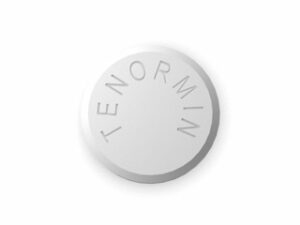
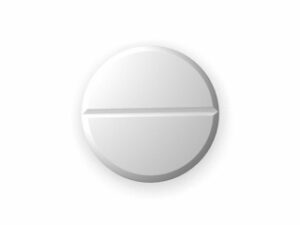
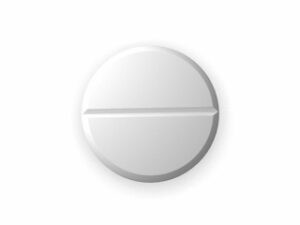
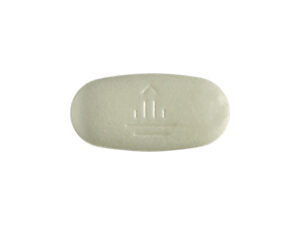
| Available Forms and Strengths | Tablets: 3.125 mg, 6.25 mg, 12.5 mg, 25 mg |
| Manufacturers | Boehringer Ingelheim, Sandoz, Apotex, Pfizer, Generic brands |
| Prescription Status | Prescription Only Medicine (Schedule 4, S4) |
Mechanism of Action
For Patients:
Carvedilol belongs to a group of medicines called “beta blockers”. It works mainly by slowing down your heart rate and relaxing your blood vessels, which makes it easier for your heart to pump blood and helps lower blood pressure.
For Healthcare Professionals:
Carvedilol is a non-selective beta-adrenoreceptor antagonist with additional alpha1-blocking activity. This dual mechanism reduces peripheral vascular resistance and myocardial contractility, leading to decreased afterload and preload. It inhibits renin release, suppresses sympathetic nervous outflow, and improves left ventricular function in heart failure.
Pharmacokinetics
- Absorption: Rapidly absorbed after oral administration; bioavailability 25–35% due to extensive first-pass hepatic metabolism.
- Metabolism: Metabolised primarily by the liver (CYP2D6, CYP2C9, CYP3A4, others) to active and inactive metabolites.
- Elimination: Cleared mainly via biliary excretion; about 60% excreted in faeces and 20% in urine.
- Onset and Duration: Peak effect in 1–2 hours post-dose; half-life is about 6–10 hours (can be longer in elderly or hepatic impairment).
Use in Everyday Life and Best Practices
Carvedilol is most commonly used in Australia to treat:
- High blood pressure (hypertension)
- Chronic heart failure
- Angina pectoris (chest pain)
- Following a heart attack to prevent further problems
Typical dosing for adults starts with a low dose, often 3.125 mg twice daily, then gradually increased based on your doctor’s recommendations and your response. Tablets should be swallowed whole with a little water.
Never stop taking Carvedilol suddenly unless your doctor tells you to, as this could worsen your condition.
Dosing in the Morning vs Evening
- Morning: Convenient for those on multiple morning medications and may help avoid sleep disturbances in sensitive people.
- Evening: Can minimise daytime feelings of tiredness initially. However, some patients may notice sleep disturbances.
- Best Practice: Take doses at the same times daily (e.g., with breakfast and dinner) to support regularity and reduce missed doses.
- Tip: Using a pill organiser or phone reminder can help maintain your dosing routine.
Taking with Food or on an Empty Stomach
- With Food: Carvedilol should be taken with food to slow absorption and decrease the risk of side effects like dizziness or drop in blood pressure.
- Australia Dietary Habits: Try to take Carvedilol with a regular meal (e.g., breakfast or dinner). Avoid high-fat, high-calorie meals as these may increase absorption unpredictably.
- Avoid Grapefruit: Grapefruit or grapefruit juice may rarely interact with some medications. While evidence for Carvedilol is less clear than with other medications, let your pharmacist know if you consume grapefruit products regularly.
Interaction Warnings
| Type | Examples/Advice | Effect |
|---|---|---|
| Medications | Other blood pressure medicines, beta-blockers, calcium channel blockers (verapamil, diltiazem), insulin or diabetes tablets, antidepressants (SSRIs, tricyclics), antipsychotics, immunosuppressants, digoxin, amiodarone, MAO inhibitors. | May cause low heart rate, low blood pressure, alter blood sugar response, increase risk of side effects. |
| Food | Alcohol, high-fat meals, grapefruit (see above) | Can increase side effects or alter absorption |
| Alcohol | Avoid excessive alcohol (occasional light drinking may be acceptable in most adults) | Can enhance blood pressure lowering effect; increase dizziness/side effects |
Indications
| Indication | Status |
|---|---|
| Essential hypertension (high blood pressure) | Approved |
| Chronic heart failure (NYHA II–IV) | Approved |
| Stable angina (chest pain) | Approved |
| Post-myocardial infarction with reduced ejection fraction | Approved |
| Off-label: Arrhythmias, prevention of portal hypertension complications | Specialist use only, not TGA registered for these uses |
Dosing According to Clinical Indications
| Condition | Age Group | Starting Dose | Target Dose |
|---|---|---|---|
| Hypertension | Adults | 12.5 mg once daily (elderly: 6.25 mg) | Up to 25 mg once daily |
| Heart Failure | Adults | 3.125 mg twice daily | Up to 25 mg twice daily (mild-moderate) or 50 mg twice daily (weight >85kg) |
| Angina Pectoris | Adults | 12.5 mg twice daily | 25 mg twice daily |
| Chronic heart failure, hypertension | Elderly (>65 years) | Half usual adult starting dose; titrate slowly | As tolerated, often lower |
| All indications | Pediatric | Consult paediatric cardiologist (not routinely recommended) | Specialist supervision only |
Safety Profile and Side Effects
| Common | Less Common | Serious/Rare |
|---|---|---|
| Tiredness, dizziness, low blood pressure, slow heart rate, weight gain, diarrhoea, nausea | Sleep disturbances, cold hands/feet, headache, mild fluid retention, mild breathing difficulty (esp. in asthma patients) | Worsening heart failure, severe bradycardia, low blood sugar (esp. diabetics), severe allergic reaction, liver problems |
Warnings: Always inform your GP or pharmacist if you experience unusual tiredness, shortness of breath, swelling of the ankles, severe dizziness, or allergic reactions (e.g., rash, swelling, difficulty breathing).
Guidelines for Proper Use (Australian Context)
- Take Carvedilol strictly as prescribed by your doctor.
- Try to take your dose with or immediately after food (e.g., with breakfast or dinner).
- If you miss a dose, take it as soon as you remember unless it is nearly time for your next dose — do not double up.
- Stand up slowly from sitting or lying down to avoid dizziness.
- Keep regular appointments with your GP for blood pressure and heart monitoring, as well as routine blood tests if needed.
- Talk to your pharmacist if you take other prescription, non-prescription, or over-the-counter medicines, including natural or complementary therapies.
- Do not stop taking Carvedilol suddenly, as this can worsen heart problems.
- Be cautious with high-intensity exercise or hot weather until you know how the medication affects you.
Alternative Treatment Options (PBS-Reimbursed)
- Other Beta Blockers: Metoprolol, Bisoprolol, Atenolol (all PBS reimbursed for heart failure and hypertension).
- ACE Inhibitors: Ramipril, Perindopril, Enalapril.
- Angiotensin Receptor Blockers (ARBs): Candesartan, Losartan, Valsartan.
- Other Agents: Calcium channel blockers (Amlodipine, Diltiazem), Diuretics (Frusemide, Spironolactone).
Overview:
- Carvedilol is particularly suitable for people with both hypertension and stable heart failure, due to its mixed alpha/beta effects.
- Choice depends on other conditions, side effect profile, and PBS (Pharmaceutical Benefits Scheme) coverage. Discuss with your GP or pharmacist the most appropriate option given your individual circumstances.
Legal, Registration, and Reimbursement in Australia
- Registration: Registered by the Therapeutic Goods Administration (TGA).
- Legal Classification: S4 — Prescription Only Medicine.
- Reimbursement: Many brands/formulations are reimbursed by the Australian Government under the Pharmaceutical Benefits Scheme (PBS) for approved indications.
- Repeat Prescriptions: Available as ongoing supply with GP review and valid authority.
- Availability: Most community and hospital pharmacies across Australia.
Latest Research and Clinical Guidance (2022–2025)
- 2022–2025 Heart Foundation guidelines reinforce Carvedilol as a first-line beta blocker for heart failure with reduced ejection fraction, frequently in combination with ACE inhibitors/ARNIs and mineralocorticoid receptor antagonists.
- Studies (e.g., JAMA Cardiol 2023; ESC/ESH 2022 guidelines) confirm sustained benefit for coronary artery disease and secondary prevention after myocardial infarction.
- Evidence supports its advantage in people with diabetes due to less negative impact on glucose metabolism compared with traditional beta-blockers.
- Current research is exploring expanded indications, such as arrhythmia prevention and portal hypertension, but these remain off-label and require specialist supervision.
Availability and Delivery
| Pack Size | Typical PBS Price (June 2024) | Typical Private Price | Estimated Home Delivery (Business Days) |
|---|---|---|---|
| 30 tablets (any strength) | $6.70 (concession) / $30.00–$37.00 (general) | $12–$20 | Sydney: 1–2, Melbourne: 1–2, Brisbane: 1–3, Adelaide: 2–3, Perth: 3–5 |
| 60 tablets (any strength) | $6.70 (concession) / $60.00–$70.00 (general) | $20–$36 | Sydney: 1–2, Melbourne: 1–2, Brisbane: 1–3, Adelaide: 2–3, Perth: 3–5 |
Most major pharmacy chains and online pharmacies in Australia offer home delivery. Ask your local pharmacist about packaging for hot weather, especially in remote areas.
Frequently Asked Questions (FAQ)
- Can I drink alcohol while taking Carvedilol?
Moderate or occasional drinking is usually safe for most adults, but alcohol may enhance some side effects like dizziness or tiredness; avoid heavy drinking. - What happens if I miss a dose?
Take it as soon as you remember unless it’s close to the time for your next dose. Never take two doses at once. Contact your GP or pharmacist if unsure. - Will Carvedilol affect my exercise or sports?
You may feel more tired or have a slower pulse, especially when starting therapy. Most people can safely return to gentle or moderate activity; discuss higher intensity sports with your doctor. - Can I take Carvedilol during pregnancy or breastfeeding?
Inform your doctor if you are pregnant, planning pregnancy, or breastfeeding, as Carvedilol is not routinely recommended in these circumstances except under strict specialist advice. - Is Carvedilol addictive?
No. Carvedilol is not habit-forming or addictive, but you must not stop it suddenly without medical supervision.
If you have further questions, speak to your pharmacist or GP for advice tailored to your individual circumstances. Always seek urgent care for unusual swelling, allergic reaction, fainting, or chest pain.