

Betapace (Sotalol) – Patient Information for Australian Pharmacy Users
1. Basic Product Information
| International Nonproprietary Name (INN) | Sotalol hydrochloride |
|---|---|
| Brand Names (Australia) | Betapace®, Apo-Sotalol®, Sotalol Sandoz® |
| ATC Code | C07AA07 |
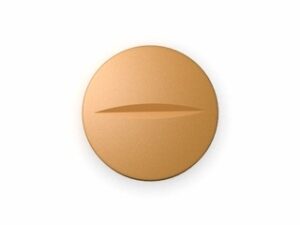
| Dosage Forms & Strengths | Tablets: 40 mg, 80 mg, 160 mg (film-coated) |
| Manufacturers | Bristol-Myers Squibb, Apotex, Sandoz Australia |
| Prescription Status | Prescription only (Schedule 4 – Prescription Medicine) |
2. Mechanism of Action
In simple terms: Sotalol works by helping to control irregular heartbeats (arrhythmias). It does this by stabilising the heart’s electrical activity, which helps your heart to maintain a steady and regular rhythm.
For specialists: Sotalol combines non-selective beta-adrenergic blockade (class II antiarrhythmic activity) with potent potassium channel blocking (class III activity). The combined effect lengthens the cardiac action potential and refractory period, suppressing re-entrant arrhythmias and reducing sympathetic drive.
3. Pharmacokinetics
- Absorption: Nearly complete after oral dosing, with peak plasma levels seen within 2–4 hours.
- Distribution: Low protein binding; crosses placenta and appears in breast milk.
- Metabolism: Not significantly metabolised; main form in plasma is unchanged drug.
- Elimination: Mainly excreted unchanged by the kidneys; half-life is approximately 12 hours, longer in renal impairment.
- Onset and Duration of Action: Effects may begin within 1–2 hours, full rhythm-control benefits in several days; duration linked to half-life and dosing frequency.
4. Use in Everyday Life – Best Practices
Sotalol is used under medical guidance to help control certain types of abnormal heart rhythms, such as atrial fibrillation, supraventricular and ventricular arrhythmias. It is important to take Betapace exactly as your doctor prescribes. Regularity is critical — do not skip doses.
- Typical Adult Starting Dose: 80 mg twice daily.
- Maximum Usual Dose: 160 mg twice daily, adjusted per response and doctor’s guidance.
- Tablets: Swallow whole with water. Do not crush or split unless directed by your pharmacist.
- Missed Dose: Take as soon as remembered unless close to the next dose; do not double up on doses.
- Long-Term Safety: You may need regular ECG, kidney checks, and potassium/blood tests while on therapy.
5. Dosing in the Morning vs Evening
- Consistency is Key: Take your doses at the same time(s) every day (e.g., 8am–8pm).
- Advantages of Morning Dosing: May minimise risk of nocturnal low heart rate; easier to remember alongside other morning medications.
- Evening Dosing: Some patients prefer split dosing (morning/evening); consult your doctor or pharmacist about what's best for you.
- Tip: Set a smartphone alarm or use a pill organiser to help establish a routine.
6. Taking With Food or On an Empty Stomach
Sotalol may be taken with or without food, but it’s best to take it in the same way every day to maintain blood levels. Heavy or high-fat meals may slightly delay absorption but generally do not affect its efficacy.
- English Diet Context: Standard meals (eggs, cereal, or toast) have no major impact; take either before or after breakfast/dinner as instructed.
- Advice: If you have a sensitive stomach, taking Sotalol after food may help prevent mild stomach upset.
7. Interaction Warnings
| Interacting Substance | Effect / Recommendation |
|---|---|
| Alcohol | May increase risk of side effects (dizziness, low blood pressure); limit your intake. |
| Other Heart Medications (e.g. verapamil, diltiazem, digoxin) | Possible additive effect on heart rhythm – regular monitoring required. |
| Potassium-Lowering Diuretics (e.g. furosemide) | Increase risk of dangerous arrhythmias; potassium levels should be checked regularly. |
| Antacids (containing aluminium or magnesium) | Can reduce Sotalol absorption; take Sotalol at least 2 hours before or after an antacid. |
| Antiarrhythmics (e.g. amiodarone) | Increased risk of side effects; specialist input required. |
| Some antidepressants or antipsychotics | Can affect the heart rhythm – consult your doctor or pharmacist. |
8. Indications
| Official PBS-Listed Indications | Other (Off-Label, Specialist Use) |
|---|---|
|
|
9. Dosing According to Clinical Indications
| Indication | Typical Adult Dose | Pediatric Dose | Elderly/Renal Impairment |
|---|---|---|---|
| Atrial Fibrillation/Flutter | 80 mg twice daily (increase to 160 mg twice daily if required) | 1–3 mg/kg/day divided into 2–3 doses (specialised monitoring) | Initiate with lower dose; titrate slowly; monitor kidney function |
| Ventricular Arrhythmias | 80–160 mg twice daily | Individualised per patient and ECG findings | Renal dosing as above; consult prescriber |
10. Safety Profile and Side Effects
Like all prescription medicines, Sotalol can cause side effects. Most are mild and often improve with time, but some (such as serious heart rhythm changes) require urgent attention.
| Frequency | Side Effect | Notes/Warnings |
|---|---|---|
| Very Common | Fatigue, dizziness, slow heartbeat (bradycardia) | Often mild; report persistent symptoms |
| Common | Nausea, diarrhoea, headache, cold hands and feet | Speak to pharmacist if troublesome |
| Uncommon | Palpitations, electrical disturbance on ECG (QT prolongation) | May be serious; immediate medical review if chest pain, fainting, or irregular heartbeats |
| Rare | Severe allergic reaction, depression, confusion | Stop medicine & seek help if symptoms occur |
- Warning: Immediately seek emergency care if you experience palpitations, chest pain, fainting, or severe lightheadedness.
- Monitoring: Regular ECGs, potassium/blood tests, and kidney function monitoring are important throughout treatment.
11. Guidelines for Proper Use – Practical Tips for Australian Patients
- Always take Sotalol exactly as prescribed by your doctor — never increase or skip doses on your own.
- If you are starting the medicine for the first time, your doctor may recommend hospital monitoring for the initial doses for safety.
- Avoid sudden stopping of Sotalol; dose reduction or change requires your doctor’s guidance.
- Inform any new healthcare provider (including dentists or hospital staff) that you are taking Sotalol.
- Stay hydrated, especially in hot Australian climates, but avoid excessive salt substitutes containing potassium unless your doctor says otherwise.
- Do not drive or operate machinery until you know how Sotalol affects you.
12. Alternative Treatment Options
Several alternatives to Sotalol are used for heart rhythm control. The best option depends on your condition, health status, and specialist advice. All are available under the Pharmaceutical Benefits Scheme (PBS):
- Amiodarone: Highly effective, but with potential for long-term side effects (thyroid, liver, lung problems). Suitable if Sotalol isn’t tolerated.
- Flecainide: Effective for supraventricular arrhythmias; not for patients with heart failure or CAD.
- Beta-blockers (e.g., Metoprolol): Used mainly to slow heart rate rather than for rhythm correction.
- Catheter ablation (procedural): May cure some arrhythmias; recommended for select patients or if medicines fail.
Discussion with your cardiologist is crucial to find the safest and most effective treatment for your individual situation.
13. Legal, Registration, and Reimbursement Status in Australia
- Registration: TGA (Therapeutic Goods Administration) approved for use in Australia for arrhythmia management.
- Prescription Status: S4 (Prescription Only) — requires a valid script from your doctor.
- Reimbursement (PBS): Sotalol is listed and subsidised for key arrhythmia and tachycardia indications under the National Health Act via the PBS.
- Pharmacy Supply: Available at all major community pharmacies and hospital pharmacies in Australia.
14. Latest Research & Clinical Guidance (2022–2025 Updates)
The latest 2024 consensus guidelines from the Cardiac Society of Australia and New Zealand (CSANZ) recommend Sotalol as a second-line treatment for recurrent atrial arrhythmias after rate-control drugs or as a first-line agent where amiodarone is unsuitable (CSANZ, 2024). International consensus (ESC 2023, AHA/ACC/HRS 2023) continues to recommend careful monitoring when starting Sotalol due to the risk of QT interval prolongation and torsades de pointes arrhythmia. Routine blood monitoring and annual medication review are strongly advised, especially in elderly or renally impaired patients.
15. Availability & Delivery – Pharmacy and Online Orders
| Pack Size | Strengths | PBS Subsidised Price (approx.) | Delivery Time (Major Cities) |
|---|---|---|---|
| 60 tablets | 40 mg, 80 mg, 160 mg | $6.70 concession / $30.00 general | Sydney: 1–2 days Melbourne: 1–2 days Brisbane: 2–3 days Adelaide: 2–3 days Perth: 3–5 days |
Ask your pharmacy about home delivery, prescription reminders, and medicine packing services, which are widely available across Australia.
16. Frequently Asked Questions (FAQ)
- Can I drive while taking Sotalol?
Most people can drive once they know how Sotalol affects them. However, do not drive if you feel dizzy, tired, or suddenly faint. Always check with your doctor first. - Does Sotalol cure heart rhythm problems?
Sotalol helps to control (not cure) arrhythmias. Some conditions may eventually resolve or be treated with procedures such as ablation. - Is Sotalol safe in pregnancy or breastfeeding?
Sotalol may be prescribed in pregnancy if necessary, but specialist supervision is required. It passes into breast milk and may not be recommended during breastfeeding. - What should I do if I forget a dose?
Take it as soon as you remember unless your next dose is due soon. Do not double your next dose. Set reminders or use a pill box to help prevent missed doses. - Can I drink alcohol while on Sotalol?
Limit alcohol as it may raise your risk of side effects or worsen your heart rhythm condition.
Always speak to your Australian pharmacist or doctor if you have any questions about your medicines or health. This information is a guide only and does not replace personalised medical advice.