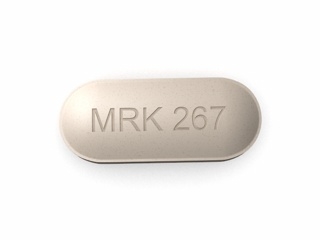
Maxalt (Rizatriptan): Patient Information for Australians
1. Basic Product Information
| International Nonproprietary Name (INN) | Rizatriptan |
|---|---|
| Brand Names (Australia) | Maxalt, Maxalt-MLT |
| ATC Code | N02CC04 |
| Available Forms & Strengths | Tablets (5 mg, 10 mg); Orally disintegrating tablets (wafer, 5 mg & 10 mg) |
| Manufacturers | Merck Sharp & Dohme (Australia) Pty Ltd |
| Prescription Status | Prescription only (Schedule 4 – S4) |
2. Mechanism of Action
For Patients: Maxalt (rizatriptan) is a medicine used to treat migraines. It acts by narrowing the blood vessels in the brain and reducing substances that trigger migraine symptoms like pain, nausea, and sensitivity to light or sound.
Detailed (for healthcare professionals): Rizatriptan is a selective serotonin (5-HT1B/1D) receptor agonist. It causes cranial blood vessel vasoconstriction, inhibits neurogenic inflammation, and blocks the release of vasoactive neuropeptides involved in migraine pathophysiology.
3. Pharmacokinetics
- Absorption: Maxalt is rapidly absorbed, with peak plasma concentrations reached within ~1 hour (oral tablet) or slightly earlier for orally disintegrating tablets.
- Metabolism: Mostly metabolised in the liver by monoamine oxidase-A (MAO-A) into inactive metabolites.
- Elimination: Eliminated mainly via urinary excretion (about 14% unchanged, rest as metabolites), with a half-life of 2–3 hours.
- Duration of Action: Provides migraine relief within 30–60 minutes, effects lasting up to several hours.
4. Use in Everyday Life & Best Practices
Maxalt is used to relieve acute migraine attacks (with or without aura) in adults and children >6 years (tight weight and age restrictions apply for paediatric use). It is not used for migraine prevention or for cluster headaches.
- Typical Adult Dose: 10 mg at onset of migraine. If symptoms recur after initial relief, a second dose may be taken at least 2 hours later. Do not exceed 30 mg in 24 hours.
- Paediatric (6–17 years, ≥20 kg): 5 mg at onset. Do not exceed 10 mg in 24 hours.
- Elderly (>65 years): Not routinely recommended due to insufficient data; use with caution if prescribed.
- How to Take: Oral tablets swallowed whole with water; wafers can be placed on the tongue to dissolve (no water needed).
- Best Result: Take as soon as migraine headache begins, not during aura alone.
5. Dosing: Morning vs Evening
- Morning: Migraine often strikes in the morning; taking Maxalt early may provide faster relief.
- Evening: Safe if migraines occur later in the day. Be cautious with driving or operating heavy machinery post-dose due to possible drowsiness.
- Regularity: This is an “as needed” medicine; regular, daily dosing is neither required nor effective.
6. Taking with Food or on an Empty Stomach
- Maxalt can be taken with or without food.
- Eating a heavy meal may slightly delay the drug’s effect.
- Australians commonly experience migraines related to strong cheeses, chocolate, red wine, or fasting—avoid known triggers and have Maxalt ready if exposed.
7. Interaction Warnings
| Type | Interaction | Recommendation |
|---|---|---|
| Food | No significant interaction, but high-fat meals may slow absorption. | Can be taken with or without food. |
| Alcohol | May worsen drowsiness or dizziness. | Limit or avoid alcohol when taking. |
| MAO Inhibitors | Risk of serious adverse effects. | Do not use Maxalt if taking/recently stopped MAOI (within 2 weeks). |
| Other Triptans/Ergotamines | Increased risk of side effects (e.g., serotonin syndrome). | Allow 24 hours before switching between these drugs. |
| SSRIs/SNRIs | Possible serotonin syndrome (rare). | Inform your doctor of all mental health medications. |
| Propranolol | Increases rizatriptan levels in blood. | Your pharmacist may advise a lower dose of Maxalt (5 mg). |
8. Indications
| Indication | Status | Notes |
|---|---|---|
| Acute migraine attacks (with or without aura) | Approved | Adults; paediatric use >6 years in some cases |
| Cluster headaches | Off-label | Not routinely prescribed |
| Preventative migraine therapy | Not indicated | Not effective for prevention |
9. Dosing According to Clinical Indications
| Population | Clinical Indication | Maxalt Dose | Max Daily Dose |
|---|---|---|---|
| Adults (18–65 yrs) | Acute migraine | 10 mg at onset (repeat after 2 hrs if needed) | 30 mg in 24 hrs |
| Paediatrics (6–17 yrs, ≥20kg) | Acute migraine | 5 mg at onset (single dose) | 10 mg in 24 hrs |
| Elderly (>65 yrs) | Acute migraine | Not routinely recommended; consult specialist | - |
| Patients on propranolol | Acute migraine | 5 mg (single dose) | 15 mg in 24 hrs |
10. Safety Profile & Side Effects
Maxalt is generally safe and well-tolerated. Common and rare side effects are listed below.
| Common | Occasional | Rare | Warnings |
|---|---|---|---|
|
|
|
|
11. Guidelines for Proper Use
- Keep Maxalt in original packaging, in a dry place below 30°C, away from children.
- Take at the first sign of migraine, not during aura alone.
- Do not use for headaches that are different from your usual migraines (sudden onset, after head injury, etc.)—consult your GP promptly.
- If no relief after first dose, do not take additional doses for the same headache episode.
- Do not exceed the recommended maximum daily dose.
- If you have more than four migraines per month, discuss preventive therapy with your doctor.
- Always review medication/pharmacist leaflets for updates and report any unusual symptoms.
12. Alternative Treatment Options (Australia, PBS reimbursed where noted)
- Sumatriptan (Imigran): The first triptan, similar effect profile, available as tablet and nasal spray; PBS listed, more experience in patients with cardiovascular risk.
- Zolmitriptan (Zomig): Similar mechanism, available as tablet and nasal spray; PBS listed.
- Other: Eletriptan, Naratriptan (less commonly used, available under prescription).
- Non-triptan options: NSAIDs (ibuprofen, naproxen), paracetamol; less effective in severe or rapid-onset migraines.
- Preventive options: Propranolol, topiramate, candesartan (PBS listed for some patients with frequent attacks), and the new CGRP monoclonal antibodies (specialist prescription).
Pros of Maxalt: Fast-acting, well-tolerated, orally disintegrating form.
Cons: Not suitable for prevention, cardiovascular/serotonin syndrome risk, no action for non-migraine headaches.
13. Legal, Registration, and Reimbursement Status in Australia
- ARTG (TGA Australia): Registered since 1999; prescription only (S4)
- PBS: Reimbursed for acute migraine attacks in eligible patients, subject to specialist or GP authority.
- Prescription: Required for all uses; over-the-counter purchase not permitted.
- Subsidised by Medicare for some patients as per Pharmaceutical Benefits Scheme (PBS) guidelines.
14. Latest Research & Clinical Guidance (2022–2025)
- The Australian Therapeutic Guidelines (Neurology, 2024 update) continue to recommend triptans—like rizatriptan—as first-line acute treatment for moderate-to-severe migraine.
- Recent meta-analyses confirm rizatriptan 10 mg is generally more effective and faster-acting than sumatriptan 50 mg, with similar safety profiles (PRIME Study, 2023; Eur J Neurol).
- The 2022 ICHD-3 (International Classification of Headache Disorders) and NICE Headache Guideline recommend triptans for children and adolescents with significant impact, only under specialist direction.
- Ongoing research is exploring combination use with antiemetics and the role of CGRP inhibitors for migraine prevention — not for acute use.
15. Availability & Delivery Information
| Pack Size | Typical Supply (days) | Indicative Price (PBS subsidised) | Availability |
|---|---|---|---|
| 2 x 10 mg tablets | 2 doses | $6.70 (with PBS script) | Ready at most pharmacies |
| 6 x 10 mg tablets | 6 doses | $21–$30 (private, non-subsidised) | Orderable/pharmacist prepared |
| 2 x 10 mg wafers | 2 doses | $6.70 (with PBS script) | Most pharmacies |
Delivery Times (major Australian cities):
- Sydney, Melbourne, Brisbane: Same-day or next business day via pharmacy courier
- Adelaide, Perth, Canberra: 1–2 business days
- Rural/regional: 2–5 business days
16. Frequently Asked Questions (FAQ)
- Can I take Maxalt every day to prevent migraines?
No, Maxalt is for acute migraine attacks only. Taking it too often can lead to medication overuse headache. Discuss preventive therapy with your doctor if you have frequent attacks. - What if Maxalt does not relieve my migraine?
If you do not get relief from the first dose, do not take more doses for that attack. Speak to your GP or pharmacist about alternative options or ensure your diagnosis is correct. - Is Maxalt safe during pregnancy or breastfeeding?
Use only if clearly needed and after discussion with your GP. There is limited safety information for use in pregnancy or breastfeeding. - Can I drive after taking Maxalt?
Maxalt may cause drowsiness or dizziness. If you feel affected, do not drive or operate machinery; wait until you feel fully alert. - How should I store Maxalt?
Store in the original blister pack, away from moisture and heat (below 30°C). Keep out of reach of children.
For further information, contact your pharmacist, GP, or consult the Consumer Medicines Information (CMI) leaflet for Maxalt.