
Imuran (Azathioprine): Comprehensive Patient Information for Australian Patients
Basic Product Information
| International Non-proprietary Name (INN) | Azathioprine |
|---|---|
| Common Australia Brand Names | Imuran®, Azaprine, Azamun |
| ATC Code | L04AX01 |
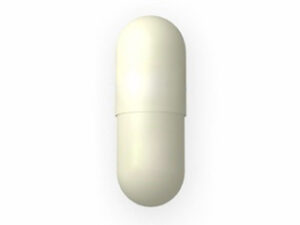
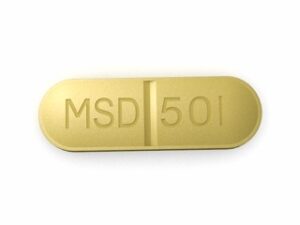
| Available Forms & Strengths | Tablets: 25 mg, 50 mg; Oral suspension: 20 mg/mL (less common) |
| Manufacturers | Aspen Pharmacare Australia, Sandoz, Arrow Pharmaceuticals, others |
| Prescription Status | Schedule 4 (S4) - Prescription only medicine in Australia |
Mechanism of Action
For Patients: Azathioprine works by calming down your immune system. It's mainly used to prevent your body from attacking itself—known as autoimmune reactions. By slowing down immune cell activity, it helps to reduce inflammation.
For Specialists: Azathioprine is an immunosuppressive antimetabolite that inhibits purine synthesis, impairing the proliferation of T and B lymphocytes. The active metabolite (6-mercaptopurine) interferes with DNA and RNA synthesis, reducing cellular immunity and the intensity of autoimmune responses.
Pharmacokinetics (How Imuran Works in Your Body)
- Absorption: Well absorbed orally; peak plasma concentration within 1–2 hours.
- Metabolism: Metabolised in the liver to 6-mercaptopurine, then further in the liver and target tissues.
- Elimination: Mainly eliminated by the kidneys; most metabolites excreted via urine.
- Duration of Action: The immunosuppressive effect lasts for several days; regular dosing is key for sustained effect.
Use in Everyday Life and Best Practices
Imuran is commonly used as part of long-term management of autoimmune diseases or after organ transplantation. In Australia, it is commonly prescribed for:
- Rheumatoid arthritis, systemic lupus erythematosus (SLE)
- Inflammatory bowel disease (e.g., Crohn's disease, ulcerative colitis)
- Prevention of transplant rejection (kidney, liver, heart, and others)
- Other rare autoimmune or inflammatory conditions (e.g., myasthenia gravis, autoimmune hepatitis)
Your doctor will decide the best dose for your condition. It is usually taken once daily by mouth, with or without food. Regular blood tests are needed to monitor your blood counts and liver function.
Dosing in the Morning vs Evening
- Morning Dosing: Preferred in most cases as it aligns with typical blood test schedules and allows better monitoring of side effects (such as nausea).
- Evening Dosing: Sometimes used if morning doses cause stomach upset or if advised by your doctor. Consistency is more important than the exact time.
- Tip: Take at the same time each day. Set an alarm or use a pillbox for convenience.
Taking with Food or on an Empty Stomach
Imuran can be taken with or after food to reduce stomach upsets—an approach often suitable for English diets including breakfast cereals, toast, or lunch. High-fat meals may slightly reduce absorption, but this is generally not clinically significant. If you experience nausea, try having it with a light meal.
Best Practice: Consistency in your routine (always with or always without food) helps maintain stable medication levels.
Interaction Warnings
| Item | Interaction | Advice |
|---|---|---|
| Allopurinol | Increases azathioprine toxicity | Dosage reduction of azathioprine is required—always inform your doctor |
| Warfarin | Reduced effectiveness | Blood clotting may need closer monitoring |
| ACE inhibitors (e.g., ramipril) | Risk of anaemia or low white cell count | Regular blood tests advised |
| Vaccines (live) | Safety risk (reduced immune response) | Live vaccines should generally be avoided—important in Australia’s annual flu and travel vaccine planning |
| Alcohol | Increased risk of liver injury | Limit or avoid alcohol consumption |
| Antibiotics (e.g., trimethoprim, co-trimoxazole) | May increase risk of blood cell abnormalities | Tell your doctor about all medicines |
| Grapefruit Juice | Possible metabolic interactions | Drink in moderation or consult your pharmacist |
Indications for Use
| Official Indications (TGA-Approved) | Common Off-Label Uses |
|---|---|
|
|
Dosing According to Clinical Indication
| Population | Transplant Prevention | Autoimmune Disease | Paediatrics | Elderly |
|---|---|---|---|---|
| Adults | 1–5 mg/kg/day orally (initial dose, then adjusted by blood results) | 1–3 mg/kg/day orally | As per adult dosing (individual adjustment) | Cautious titration; start at lower end of dose range |
Always follow your doctor's specific dosing instructions. Do not adjust your dose or schedule without medical consultation.
Safety Profile and Side Effects
| Common Side Effects | Uncommon/Rare Side Effects | Serious Warnings |
|---|---|---|
|
|
|
Notify your doctor or pharmacist if you experience unexpected side effects. Regular blood tests are required to monitor for complications.
Guidelines for Proper Use (Australian Practice)
- Take as prescribed, ideally at the same time each day.
- Never stop or change your dose suddenly without consulting your doctor.
- Attend all scheduled blood tests and follow-up appointments.
- Tell all healthcare providers (including dentists, pharmacists) you are taking azathioprine.
- If you miss a dose, take it as soon as possible. If it is nearly time for your next dose, skip the missed dose—don’t double up.
- Store at room temperature in a dry place out of children’s reach.
- Seek urgent medical attention for signs of severe infection, allergic reaction, or liver problems.
Alternative Treatment Options
- Mycophenolate mofetil (CellCept®): Effective for some autoimmune and transplant indications. Tends to have a different side effect profile (especially affecting the gastrointestinal tract), slightly higher cost.
- Methotrexate: Frequently used for rheumatoid arthritis and some other autoimmune diseases. Weekly dosing, regular monitoring required. May not be suitable for patients planning pregnancy.
- Ciclosporin (Neoral®, Sandimmun®): Used mainly in transplant medicine; higher risk of hypertension, nephrotoxicity.
- Biologics (e.g., adalimumab, infliximab): Used for IBD and autoimmune conditions; administered by injection; higher costs; usually reserved for cases not controlled by traditional immunosuppressants.
- Steroids (prednisolone, methylprednisolone): Often used for flares; not recommended for long-term use due to the risk of significant side effects.
All listed alternatives are reimbursed or subsidised through the Pharmaceutical Benefits Scheme (PBS) in Australia for appropriate indications, subject to prior authorisation or special criteria.
Legal, Registration, and Reimbursement Status in Australia
- Registered with the Therapeutic Goods Administration (TGA).
- Available only on prescription (S4 Prescription Only).
- Azathioprine (Imuran® and generics) is subsidised via the Pharmaceutical Benefits Scheme (PBS) for listed indications, reducing patient costs for qualifying conditions.
- Special Authority or specialist initiation may be required for certain uses.
- Patient co-payments as determined by the PBS schedule law (www.pbs.gov.au).
Latest Research and Clinical Guidance (2022–2025)
- British Society of Gastroenterology (2023 update): Azathioprine and other thiopurines remain key in maintenance of remission for Crohn’s disease and ulcerative colitis, but require careful monitoring due to infection, cancer, and liver risk (Gut 2023;72(1):97-117).
- Australian Society of Clinical Immunology and Allergy (2024 guidance): Azathioprine effectiveness and safety in autoimmune hepatitis and lupus emphasised, with recommendations for TPMT enzyme testing before starting therapy.
- Therapeutic Goods Administration (TGA safety updates, 2023): Reinforced need for regular monitoring, early detection of side effects, and the importance of patient education for optimal outcomes (TGA).
- New Data (2022–2025): Clinical studies from the UK and Australia confirm ongoing relevance of azathioprine as both first- and second-line immunosuppressant with careful benefit/risk assessment—see PubMed or Australian Prescriber for details.
Availability, Pack Sizes, and Delivery
| Pack Size | Form | Indicative PBS Price (2024) | Typical Pharmacy Delivery Time (days) | Australia Major Cities |
|---|---|---|---|---|
| 100 tablets | 50 mg | AUD $25.00 (with PBS co-payment) | In stock/same day | Sydney, Melbourne, Brisbane |
| 56 tablets | 25 mg | AUD $22.20 (with PBS co-payment) | 1–2 days | Perth, Adelaide |
| Oral suspension (custom) | 20 mg/mL (50 mL) | Varies (non-PBS for compounded) | 2–4 days (on order) | Regional/rural locations |
Exact prices and availability may vary between Australian pharmacies. Always ask your local or online pharmacy for up-to-date supply information.
FAQ – Frequently Asked Questions
- How long will I need to take Imuran?
Duration varies by condition—sometimes years or lifelong for chronic autoimmune diseases or transplant. Your doctor will regularly assess your need for ongoing treatment and discuss any changes with you. - Is it safe to become pregnant while taking azathioprine?
Azathioprine can be used during pregnancy under specialist care when benefits outweigh risks. It is generally considered safer than other immunosuppressants, but planning is necessary. Discuss any pregnancy plans with your doctor before starting or stopping this medicine. - Can I receive vaccinations while on Imuran?
Inactive (non-live) vaccines are generally safe and recommended. Live vaccines (e.g., yellow fever, some travel vaccines) should be avoided. Always consult your GP or specialist about your vaccine history and travel plans. - What should I do if I miss a dose?
Take the missed dose as soon as you remember unless it is close to the time for your next dose. Do not double up. Contact your pharmacist or doctor for further advice if needed. - Do I need regular tests while taking Imuran?
Yes. Regular blood tests are essential to monitor your blood cell counts and liver function to ensure you are not developing complications.
For further information, consult your doctor, pharmacy, or visit NPS MedicineWise and TGA websites.