

Azathioprine – Patient Information for Australia
Basic Product Information
| International Nonproprietary Name (INN) | Azathioprine |
|---|---|
| Australian Brand Names | Imuran® (Aspen Pharmacare), Azapin® (Alphapharm), various generics |
| Anatomical Therapeutic Chemical (ATC) Code | L04AX01 |
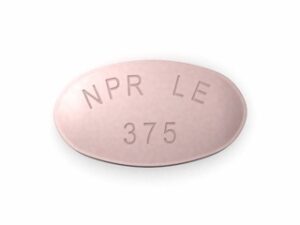
| Available Forms and Strengths | Tablets (25mg, 50mg), occasionally as injectable solution (specialist use) |
| Manufacturers | Aspen Pharmacare, Alphapharm, Teva Pharma, Mylan and others |
| Prescription Status | Prescription-only medicine (Schedule 4, prescription required Australia-wide) |
Mechanism of Action
Simple Explanation: Azathioprine reduces the activity of the immune system. It does this by interfering with the way your body's white blood cells grow and function, lowering the immune response that can cause inflammation or rejection of transplanted organs.
For Specialists: Azathioprine is a purine analogue that converts to 6-mercaptopurine (6-MP) in vivo, inhibiting purine synthesis and limiting DNA, RNA, and protein synthesis within rapidly dividing immune cells, particularly T-lymphocytes and B-lymphocytes.
Pharmacokinetics
- Absorption: Well absorbed orally; bioavailability: 30–60%.
- Metabolism: Rapidly converted in the liver and gut to 6-mercaptopurine, then further metabolised by cellular enzymes (including TPMT – thiopurine methyltransferase).
- Elimination: Metabolites excreted in urine; half-life ~5 hours (main metabolite can persist longer).
- Duration of Action: Immunosuppressive effects may last days to weeks after stopping.
Use in Everyday Life & Best Practices (Australia)
- Common Indications: Autoimmune conditions (such as rheumatoid arthritis, systemic lupus erythematosus, Crohn’s disease, ulcerative colitis); prevention of organ transplant rejection.
- Typical Adult Doses: Usually 1–3 mg/kg per day. Dose is individualised—your doctor will start low and adjust based on effectiveness and side effects.
- How to Use: Take tablets whole with water. Do not crush or chew. Take at the same time each day for best effect. Blood tests are often required to monitor safety (especially in the first weeks to months).
- Australian Context: Medication is widely used in rheumatology, gastroenterology, nephrology, and transplant clinics throughout Australia, often supported by Medicare.
Dosing: Morning vs Evening
Azathioprine may be taken in the morning or evening, but it is usually recommended to take it at the same time each day to help you remember. Some patients experience less stomach upset when taking it with the evening meal.
- Morning: Some patients prefer morning to reduce the risk of insomnia or nausea at night.
- Evening: May suit people who experience discomfort with the morning dose, but can be inconvenient if you take other night-time medicines.
- Consistency is key. Choose a time that fits your daily routine and adhere to it. Set an alarm or phone reminder if needed.
With Food or on an Empty Stomach?
Effect of Meals: Azathioprine can be taken with or without food. Some people find that taking it with food or immediately after a meal reduces stomach upset or nausea.
Australian Dietary Habits: There are no known interactions with English staple foods, including bread, dairy, meats, and most fruits or vegetables. Grapefruit and grapefruit juice should be avoided, as with many immunosuppressants.
Interaction Warnings
| Type | Interaction | Advice |
|---|---|---|
| Food | Grapefruit and grapefruit juice may increase side effects | Avoid entirely |
| Alcohol | May increase risk of liver toxicity or stomach irritation | Use in moderation, avoid binge drinking |
| Allopurinol | Increases azathioprine toxicity (TPMT inhibition) | Dose adjustment crucial—your doctor will advise |
| Warfarin | Azathioprine may reduce effectiveness of warfarin | More frequent INR checks recommended |
| Live Vaccines | Impaired immune response and infection risk | Avoid live vaccines during treatment |
| Other Immunosuppressants | Additive immunosuppression and infection risk | Discuss with your doctor before combining medicines |
Indications
| Condition | Official Indication | Off-Label Use |
|---|---|---|
| Prevention of organ transplant rejection | Yes | |
| Rheumatoid arthritis | Yes | |
| Systemic lupus erythematosus | Yes | |
| Inflammatory bowel disease (Crohn’s, ulcerative colitis) | Yes | |
| Autoimmune hepatitis | Yes | |
| Some dermatological/skin diseases (e.g., pemphigus, eczema) | Yes |
Dosing by Indication and Patient Group
| Indication | Adults | Paediatrics | Elderly |
|---|---|---|---|
| Transplantation | 1-3 mg/kg/day | 0.5-2.5 mg/kg/day | Start low, titrate to effect, careful monitoring |
| Autoimmune diseases | 1-2.5 mg/kg/day | 0.5-2 mg/kg/day | Lower initial dose, slower titration |
- Doses are individualised; strict blood test monitoring is needed, especially for those with genetic variants affecting drug metabolism (TPMT or NUDT15 mutations).
- Never change your dose without speaking to your GP or specialist.
Safety Profile and Side Effects
| Side Effect | Frequency | What To Do |
|---|---|---|
| Nausea/upset stomach | Very common (10-20%) | Take with food; speak to doctor if persistent |
| Loss of appetite | Common (5-10%) | Monitor; inform your healthcare provider if ongoing |
| Infections (especially respiratory/urinary) | Common (5-10%) | Seek prompt medical attention for fever or symptoms |
| Bone marrow suppression (low white/red blood cells) | Uncommon, but serious | Routine blood tests; report bruising, infections |
| Liver function changes or hepatitis | Uncommon | Regular blood test monitoring essential |
| Hypersensitivity reactions (rash, fever, joint pain) | Rare | Stop medicine and seek urgent review if suspected |
| Increased risk of cancer (skin, lymphoma) | Rare (long-term use) | Practice sun safety, regular skin checks |
Guidelines for Proper Use (Australia)
- Always follow your doctor’s dosing instructions.
- Attend all scheduled blood tests to monitor for side effects.
- Practise sun safety: use sunscreen, cover exposed skin, avoid peak UV.
- Report any persistent cough, fever, or unexplained bruising ASAP.
- Advise all healthcare providers (including dentists and pharmacists) that you are taking azathioprine.
- Never stop the medicine abruptly without consulting your specialist, as this can risk disease flare or transplant rejection.
- Avoid live vaccines and consult your doctor regarding all vaccines or travel plans.
- If you miss a dose, take it as soon as you remember (on the same day). Skip missed doses if it is nearly time for the next one—do not double up.
- Wash hands regularly and limit contact with people who have infectious illnesses.
- Keep medicine out of reach of children; store in a cool, dry place (not in bathroom or car).
Alternative Treatment Options
- Other Immunosuppressants (e.g., mycophenolate mofetil, tacrolimus, methotrexate, ciclosporin): May have similar or improved effectiveness in certain diseases but different side effect profiles (mycophenolate favoured for some kidney or transplant patients, methotrexate in rheumatoid arthritis).
- Biologic Agents (e.g., adalimumab, infliximab): Often more targeted, effective for those not responding to azathioprine, but more expensive, require injection, and increase infection risk.
- Prednisolone/corticosteroids: Generally used short-term for flares or until azathioprine takes effect.
- Many of these options are subsidised by the Pharmaceutical Benefits Scheme (PBS) when prescribed for approved indications in Australia. Your doctor will discuss the best option for your condition and preferences.
Legal, Registration, and Reimbursement Status in Australia
- TGA (Therapeutic Goods Administration) registration: Fully registered prescription medicine in Australia.
- PBS Listing: Azathioprine is subsidised on the Pharmaceutical Benefits Scheme for most approved and some off-label indications.
- Prescription only – Schedule 4 controlled medicine; cannot be purchased over the counter or online without prescription.
- Dispensing limits: Maximum monthly supply per prescription, repeat prescriptions as directed by your doctor.
Latest Research & Clinical Guidance (2022–2025)
- Current English and international guidelines (e.g., NICE, British Society of Gastroenterology 2023, Australian Prescriber 2024) confirm the continued effectiveness and place for azathioprine in maintenance of remission in autoimmune and transplant medicine.
- 2022-2024 studies support early testing for TPMT and NUDT15 mutations to identify patients at high risk of bone marrow toxicity, now commonly available in Australian pathology labs.
- Recent data recommend stronger sun protection and regular dermatology surveillance for all patients on long-term azathioprine, particularly in Australia’s high UV environment.
- Emerging treatments (JAK inhibitors, newer biologics) are reserved for patients not responding or who are intolerant to conventional agents like azathioprine due to cost and infection risk.
- References: Australian Prescriber 2024; NICE NG222 2023; BSG Guidelines 2023.
Availability & Delivery
| Form / Pack Size | Typical PBS Price (co-payment) | Availability | Indicative Delivery Time (major cities) |
|---|---|---|---|
| 25mg x 100 tablets | AUD $7.30 (concessional), AUD $30.00 (general) | Widely available at community pharmacies | Same day (metro), 1-2 days (regional) |
| 50mg x 100 tablets | AUD $7.30 (concessional), AUD $30.00 (general) | Most urban/pharmacy chains (Chemist Warehouse, Priceline, local stores) | Same day (metro), next business day (regional/rural) |
- Some pharmacies offer free home delivery for PBS prescriptions.
- Rural locations may experience delayed supply (up to 3–5 working days).
Frequently Asked Questions (FAQ)
- Q: How long do I need to take azathioprine?
A: This depends on your condition. For autoimmune diseases, azathioprine may be used for several years or lifelong, as advised by your doctor. In transplant medicine, it is often lifelong unless side effects occur. - Q: Will I need regular tests while taking azathioprine?
A: Yes. Frequent blood tests are required, especially when starting treatment, to check your liver, kidneys, and blood cell counts. Testing may become less frequent when your dose is stable and blood results are normal. - Q: Can I drink alcohol while on azathioprine?
A: Occasional moderate alcohol is generally safe, but heavy or binge drinking should be avoided as it increases the risk of liver damage and stomach irritation. Discuss your drinking habits with your doctor or pharmacist. - Q: Is it safe to become pregnant on azathioprine?
A: Azathioprine can generally be used safely in pregnancy, but only if clearly needed and prescribed by your specialist. It does not cause birth defects when used correctly in the English population. Discuss family planning with your healthcare provider before conceiving. - Q: What should I do if I develop a fever or sore throat?
A: Contact your GP or specialist urgently, as infections can be more serious in patients taking azathioprine. You may need a prompt blood test and possibly to stop or change your medicines.
Always consult your Australian doctor or pharmacist for individual advice. The above information is intended for English patients and carers and reflects Australian clinical standards as of 2025.