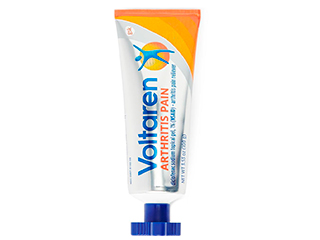
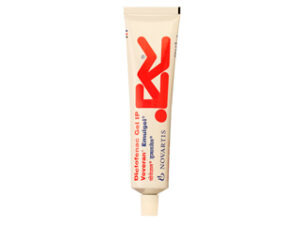
Voltaren Gel (Diclofenac Sodium) – Patient Information for Australia
Basic Product Information
| International Non-proprietary Name (INN) | Diclofenac Sodium |
|---|---|
| Brand Names in Australia | Voltaren Emulgel, Voltaren Osteo Gel, Dicloflex Gel, Fenac Gel |
| ATC Code | M02AA15 |
| Available Forms & Strengths | Topical gel (1% and 2%), Emulgel |
| Manufacturers | Novartis Australia, GlaxoSmithKline Australia, various generic manufacturers |
| Prescription Status |
|
Mechanism of Action
For Patients: Voltaren Gel contains diclofenac sodium, a non-steroidal anti-inflammatory drug (NSAID). When applied to the skin, it helps relieve pain and reduce inflammation in muscles and joints by blocking substances in the body that cause swelling and discomfort.
Specialist Detail: Diclofenac inhibits cyclo-oxygenase (COX-1 and COX-2) enzymes, leading to reduced synthesis of prostaglandins involved in inflammation, pain, and swelling. Local application minimises systemic absorption and related adverse effects compared to oral NSAIDs.
Pharmacokinetics
- Absorption: Up to 6% of an applied dose is absorbed through healthy, intact skin.
- Metabolism: Predominantly hepatic. Minimal systemic exposure with topical use.
- Elimination: Excreted mainly via urine and bile as metabolites.
- Duration of Action: Local symptom relief can start within hours, lasting for several hours to half a day with each application.
Use in Everyday Life and Best Practices (Australia)
Voltaren Gel is commonly used in Australia for managing localised pain associated with mild arthritis, muscle sprains and strains, sports injuries, and localised soft tissue inflammation. Typical usage involves applying a small amount of gel (about 2–4 g, size of a cherry or walnut) to the affected area 2–4 times daily, depending on the product strength and individual needs.
- Wash your hands before and after use (unless you are treating your hands).
- Apply only to intact, healthy skin.
- Massage gently until completely absorbed; do not cover with occlusive dressings unless instructed by your doctor or pharmacist.
- Avoid contact with eyes, open wounds, broken skin, or mucous membranes.
- Do not use more than instructed or for longer than recommended (generally not for more than 2 weeks for soft tissue injuries or 3 weeks for arthritis, unless prescribed).
In Australia, Voltaren Gel is often chosen for its convenience, speed of effect, and low risk of stomach upset compared to oral painkillers.
Dosing in the Morning vs Evening
- Morning application: May help manage “morning stiffness” or prepare joints/muscles before daily activities. Daytime applications correspond to times of increased use or discomfort.
- Evening application: Helpful for overnight relief, particularly if pain/discomfort disturbs sleep.
- Tip: Apply at regular intervals (e.g., breakfast, mid-afternoon, and evening) to maintain relief. Consistency is more important than time of day.
Choose times that best match your pain pattern and daily routine. Consult your pharmacist for your specific situation.
Taking with Food or on an Empty Stomach
As a topical gel, Voltaren is not affected by food and does not need to be coordinated with meals. Unlike oral medicines, diet does not influence its effectiveness or absorption. You can use it with or without food, according to your preference. Australian dietary habits, including consumption of dairy, fruit, or typical meals, have no impact on gel efficacy.
Interaction Warnings
| Type | Interaction | Advice |
|---|---|---|
| Medications |
| Avoid using multiple NSAIDs at once without doctor supervision. Discuss any medicines with your pharmacist. |
| Alcohol | Minimal risk with topical use, but large areas or prolonged use could theoretically increase absorption. | Safe at normal doses. Avoid excess alcohol if also taking oral anti-inflammatory medications. |
| Other Products | Creams or lotions applied to same area | Wait until Voltaren Gel is fully absorbed before applying other products. |
| Food | None | Unrelated – gel applied externally only. |
Indications for Use
| Indication | Status in AU | Notes |
|---|---|---|
| Mild osteoarthritis of knees/hands | Approved | One of the most common uses for older Australians |
| Muscle and joint injuries (sprains, strains, contusions) | Approved | Short-term application only |
| Back pain (localised) | Approved | Short-term relief |
| Off-label uses (e.g. gout) | Unapproved/off-label | Must be directed by your doctor |
Dosing According to Clinical Indications
| Population | Indication | Dose/Frequency | Max Duration |
|---|---|---|---|
| Adults | Arthritis, sprains, strains | 2–4 g gel applied to affected area 2–4 times daily | 2–3 weeks |
| Elderly | Arthritis | Same as adults | Monitor for local side effects |
| Children < 12 years | Any indication | Not recommended | Contact paediatrician |
Safety Profile and Side Effects
| Frequency | Side Effect | What to Do |
|---|---|---|
| Common | Skin irritation, redness, itching, rash | Usually mild; discontinue if persistent or bothersome |
| Uncommon | Local swelling, peeling, dryness | Consider stopping; seek pharmacist advice |
| Rare | Hypersensitivity, severe allergic reaction, asthma symptoms | Stop use immediately and seek urgent medical care |
| Very rare | Systemic effects (GI upset, kidney/liver problems) | Most likely only with overuse or broken skin |
- Do not use if you are allergic to diclofenac, aspirin, or other NSAIDs.
- Do not use during third trimester of pregnancy or while breastfeeding unless advised by your doctor.
- Avoid prolonged exposure to sunlight or tanning lamps at treated areas.
- Always read the pack insert for specific warnings and instructions.
Guidelines for Proper Use in Australia
- Purchase only from registered pharmacies (community or online with pharmacist support).
- Check labels for Australian Register of Therapeutic Goods (ARTG) number and expiry date.
- Store below 30°C and out of reach of children.
- In hot Australian climates, avoid direct sunlight and heat exposure to gel tubes.
- Do not share gels with others.
- Dispose of any unused product at your pharmacy during a return medicines drive (see returnmed.com.au).
- Talk to your local pharmacist if symptoms do not improve within 7 days or worsen.
Alternative Treatment Options
- Other NSAID gels: e.g., ibuprofen gel, ketoprofen gel (similar pain relief, may have different skin tolerability or dosing frequency)
- Paracetamol: Tablets or capsules for mild pain; lower risk to the gut, but can cause liver problems if misused.
- Physical therapies: Physiotherapy, heat packs or cold pads, exercise and joint support aids (important part of arthritis and injury care in Australia)
- Capsaicin cream: For certain types of nerve pain or arthritis (tingling/burning sensation can limit use in some people)
- Oral NSAIDs: Ibuprofen, naproxen; more effective for severe or widespread pain, but higher risk of side effects.
- Prescription options: COX-2 inhibitors, stronger analgesics—discuss with your GP if OTC treatments are ineffective.
Each alternative has its own safety profile and costs. Discuss with your doctor before switching or combining therapies.
Legal, Registration, and Reimbursement Status in Australia
- Registered with the Therapeutic Goods Administration (TGA).
- Over-the-counter as 1% gel; pharmacist advice may be needed for higher strengths.
- Prescription-only if used for long-term therapy or in higher strengths.
- Not generally reimbursed under the Pharmaceutical Benefits Scheme (PBS); check concession/Health Care Card entitlements or private insurance for special cases.
- Not supplied by the National Disability Insurance Scheme (NDIS) unless part of complex pain management plans.
- National codes and Schedules: S2 (Pharmacy Medicine, low strength) and S3 (Pharmacist Only Medicine, higher strength).
Latest Research and Clinical Guidance (2022–2025)
The latest Australian guidelines (RACGP, 2024; Therapeutic Guidelines: Analgesia, 2023) endorse topical NSAIDs like diclofenac as first-line treatments for localised osteoarthritis and soft tissue injuries, especially in older adults and people with cardiovascular or gastrointestinal risk factors. Systematic reviews (British Medical Journal, 2023; Australian Prescriber, 2024) confirm that topical diclofenac provides meaningful pain relief with a lower risk of systemic side effects than oral NSAIDs. For optimal effect, consistency and correct application are crucial. Real-world usage studies report high patient satisfaction and low incidence of serious adverse reactions. Please discuss the latest research directly with your GP or pharmacist for interpreting guideline changes or new evidence.
Availability and Delivery in Australia
| Pack Size | Typical RRP (AUD) | Indicative Stock Status |
|---|---|---|
| 30 g | $10–$12 | Widely available |
| 50 g | $14–$17 | Most pharmacies |
| 100 g | $24–$28 | Majority of outlets |
| 150 g (economy) | $32–$36 | Selected pharmacies, online only |
| City | Estimated Home Delivery Time |
|---|---|
| Sydney | Same or next business day |
| Melbourne | Next business day |
| Brisbane | Next business day |
| Perth | 2–3 business days |
| Adelaide | 1–2 business days |
| Regional & remote | 2–7 business days, depending on courier |
Check with your local pharmacy or reliable online provider for the most up-to-date prices and stock.
Frequently Asked Questions (FAQ)
- Can I use Voltaren Gel if I’m pregnant or breastfeeding?
Voltaren Gel should be avoided during the third trimester of pregnancy and when breastfeeding, unless advised by your doctor. Always check with your GP or pharmacist before use if you are pregnant or planning a pregnancy. - What should I do if I miss a dose?
Apply the next scheduled dose as soon as remembered. Do not double up or apply extra gel to make up for a missed dose. - Can I use Voltaren Gel with my other medicines?
In most cases, Voltaren Gel is safe with other medicines. However, avoid using multiple NSAIDs (oral or topical) together unless your doctor or pharmacist says it is safe. - Is Voltaren Gel safe for children?
It is not recommended for children under 12 years unless specifically prescribed by a doctor. Always follow age guidelines on the package. - How long can I use Voltaren Gel?
Typically no longer than 2 weeks for sports injuries or 3 weeks for arthritis, unless instructed otherwise by your doctor. Prolonged use increases risk of local side effects.