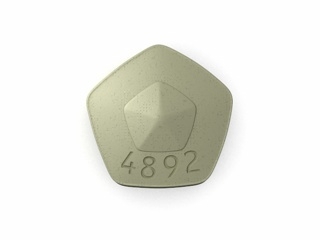

Requip (Ropinirole): Comprehensive Patient Information for Australia
Basic Product Information
| International Non-proprietary Name (INN) | Ropinirole |
|---|---|
| Australian Brand Names | Requip, Ropinirole Sandoz, Ropin |
| ATC Code | N04BC04 (Dopamine agonists) |
| Available Forms & Strengths | Film-coated tablets: 0.25 mg, 0.5 mg, 1 mg, 2 mg, 5 mg; Prolonged-release tablets: 2 mg, 4 mg, 8 mg |
| Manufacturers | GlaxoSmithKline Australia, Sandoz Pty Ltd, other generic providers |
| Prescription Status | Prescription only (Schedule 4 medicine, S4) |
Mechanism of Action
In simple terms: Ropinirole works by mimicking the action of dopamine, a natural chemical messenger in the brain that is reduced in certain disorders, such as Parkinson's disease and Restless Legs Syndrome. By activating dopamine receptors, ropinirole helps improve movement, reduce abnormal muscle activity, and ease symptoms of restlessness.
For specialists: Ropinirole is a non-ergoline dopamine D2/D3 receptor agonist with little to no affinity for D1, noradrenergic, cholinergic, or serotonergic receptors. It exerts its therapeutic effects via postsynaptic stimulation in the striatum, compensating for dopaminergic neuron loss in Parkinson's disease and modulating sensorimotor neurotransmission in Restless Legs Syndrome.
Pharmacokinetics
- Absorption: Ropinirole is rapidly absorbed after oral administration, with peak plasma concentrations reached in about 1-2 hours for immediate-release and 6 hours for prolonged-release formulations.
- Metabolism: Undergoes extensive hepatic metabolism via CYP1A2; major metabolites are inactive.
- Elimination: Eliminated primarily through urine as metabolites. Terminal half-life ranges from 6 to 10 hours.
- Duration of Action: Immediate-release tablets require multiple daily dosing, while prolonged-release offers once-daily administration.
Everyday Use and Best Practices in Australia
- Parkinson’s Disease: Ropinirole is often started at a low dose, gradually increased to minimise side effects.
- Restless Legs Syndrome (RLS): Usually taken in the evening, 1-3 hours before bedtime.
- Always follow your prescriber’s instructions regarding dose and schedule.
- If you miss a dose, take it as soon as you remember but skip if it's nearly time for your next dose—never double up.
- Do not stop taking ropinirole suddenly unless advised by your clinician.
Dosing in the Morning versus Evening
- Morning doses: Usually reserved for Parkinson’s disease, often split into 2 or 3 doses to maintain levels throughout the day.
- Evening doses: Preferred for RLS, reducing symptoms overnight.
- Prolonged-release forms: Convenient once-daily dosing, often in the morning. For best results, take at the same time every day.
- Tips: Set a daily alarm or integrate with meals to help with regular intake.
Taking With Food or on an Empty Stomach
- Ropinirole can be taken with or without food.
- Taking with food may help reduce nausea, a common side effect early in treatment.
- There is no significant effect of most typical Australian foods on absorption, though high-fat meals might delay onset of action.
- If you experience stomach upset, try taking with a snack or after a light meal (e.g., toast or fruit).
Interaction Warnings
| Interacting Substance/Medication | Effect/Advice |
|---|---|
| CYP1A2 inhibitors (e.g., ciprofloxacin, fluvoxamine) | May increase ropinirole levels—dose adjustment may be required |
| Oestrogen-containing contraceptives | Can increase ropinirole levels |
| Smoking (tobacco) | May reduce effectiveness; discuss with your doctor if you smoke |
| Antipsychotics and metoclopramide | May reduce effect of ropinirole—avoid if possible |
| Alcohol | May enhance drowsiness or dizziness—limit intake, especially when starting treatment |
Indications
| Indication | Regulatory Status |
|---|---|
| Parkinson’s disease (idiopathic) | Approved |
| Restless Legs Syndrome (moderate-to-severe, idiopathic) | Approved |
| Other movement disorders (e.g., off-label for periodic limb movement disorder) | Off-label |
Dosing According to Clinical Indications
| Indication | Patient Group | Starting Dose | Typical Maintenance Dose | Maximum Dose |
|---|---|---|---|---|
| Parkinson’s disease | Adults | 0.25 mg three times daily | 9–16 mg per day (in divided doses) | 24 mg per day |
| Restless Legs Syndrome | Adults | 0.25 mg once daily (1–3 hours before bedtime) | 1–4 mg once daily | 4 mg per day |
| Parkinson’s/RLS | Elderly | As above; consider slower titration and closer monitoring | Individualised to tolerance | As for adults |
| RLS/Parkinson’s | Children | Not recommended (safety and efficacy not established) | N/A | N/A |
Safety Profile and Side Effects
- Common (≥1%)
- Nausea, vomiting
- Drowsiness, dizziness or faintness (especially upon standing – orthostatic hypotension)
- Headache
- Fatigue
- Swelling of the legs or feet
- Abdominal pain or dyspepsia
- Less common/rare
- Sudden onset of sleep (“sleep attacks”)
- Impulsive behaviour (e.g., gambling, increased sexual urges)
- Low blood pressure, syncope
- Hallucinations, confusion (especially in elderly or at higher doses)
- Abnormal dreams
- Rhabdomyolysis or allergic reactions (very rare)
- Warnings:
- Increase care with driving and machinery until you know how ropinirole affects you.
- Report behavioural changes, persistent nausea, or abnormal movements to your healthcare provider promptly.
Guidelines for Proper Use: Practical Advice for Australia
- Take ropinirole exactly as prescribed—do not modify doses unless advised by your health professional.
- Keep all appointments for monitoring, as dose adjustments are common in the early stages or if side effects occur.
- If you experience sudden sleep attacks or severe drowsiness, avoid driving and discuss with your doctor.
- Be aware of possible gambling or behavioural changes—let family know to watch for these effects.
- Store below 25°C in a dry place, keep out of reach of children.
- If a prescription runs out, consult your doctor early as therapy should not be stopped suddenly.
- For advice any time, contact your local pharmacist or call Healthdirect (1800 022 222).
Alternative Treatment Options (PBS-Listed in Australia)
- Other dopamine agonists (e.g., pramipexole, rotigotine)
- Pros: Different side effect profiles, available in various forms (e.g., patches).
- Cons: Some carry a higher risk of certain compulsive behaviours or skin irritation (patches).
- Levodopa/Carbidopa
- Pros: Mainstay for Parkinson’s; rapid symptom relief.
- Cons: Over time, associated with motor fluctuations and dyskinesia.
- Gabapentin/Pregabalin (for RLS)
- Pros: Useful for RLS patients with pain or sleep disturbance.
- Cons: Can cause sedation, dizziness, weight gain.
Legal, Registration, and Reimbursement Status in Australia
- Legal status: Prescription only (Schedule 4, S4).
- Registration: Registered with the Therapeutic Goods Administration (TGA).
- Reimbursement: Listed for Parkinson’s disease and RLS on the Pharmaceutical Benefits Scheme (PBS), subject to clinical criteria. Speak to your prescriber about eligibility.
- Supply: Only available at registered community pharmacies with a valid script from a licensed medical practitioner.
Latest Research and Clinical Guidance (2022–2025)
- Australian guidelines (Movement Disorders Society of Australia & New Zealand, 2023) confirm ropinirole as a first-line treatment for early Parkinson’s and RLS, with attention to dose titration and monitoring for impulsive behaviour (Mov Disord Clin Pract, 2023).
- Recent reviews highlight the preference for prolonged-release forms to improve compliance and reduce "off" periods (J Neural Transm, 2024).
- No new major safety concerns have emerged in recent pharmacovigilance reports; side effect profile remains stable (Therapeutic Goods Administration Bulletin, 2024).
- International clinical trials (e.g., NCT05564752, 2024) are exploring neuroprotective properties, though these remain investigational.
Availability and Delivery in Australia
| Pack Size | Strength | Typical PBS Patient Price (AUD) | Indicative Delivery Times* |
|---|---|---|---|
| 30 tablets | 0.25 mg | $7.30 (with concession); up to $30 private | Sydney: 1–2 days Melbourne: 1–2 days Brisbane: 1–3 days Perth: 3–5 days Adelaide: 2–3 days |
| 28 prolonged-release tablets | 2 mg | $7.30 (with concession); up to $35 private | Sydney: 1–2 days Melbourne: 1–2 days Brisbane: 1–3 days Perth: 3–5 days Adelaide: 2–3 days |
*Delivery times are indicative for metropolitan addresses. Regional and rural areas may experience longer times. Check with your local pharmacy for in-store availability and exact delivery times.
Frequently Asked Questions (FAQ)
- Is ropinirole addictive or habit-forming?
No, ropinirole is not considered addictive. However, it may cause changes in impulse control for some patients. If you notice unusual behaviours, speak to your doctor promptly. - Can I take ropinirole with antibiotics?
Most antibiotics are compatible. However, some (like ciprofloxacin) can interact and may require a dose adjustment. Always inform your doctor about any new medications. - What should I do if I feel very sleepy during the day?
Report unexpected sleepiness or "sleep attacks" to your prescriber. Never drive or operate machinery if you feel drowsy until the cause is reviewed. - Is it safe to drink alcohol while taking ropinirole?
Alcohol can worsen drowsiness or dizziness caused by ropinirole. If you choose to drink, do so in moderation and avoid risky activities after taking your medication. - Can I stop ropinirole suddenly?
No, abrupt discontinuation may cause withdrawal symptoms or worsening of disease. Always discuss any changes to your treatment plan with your doctor.