
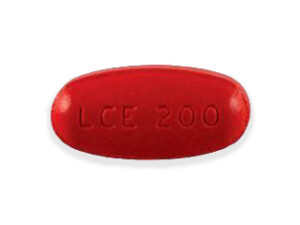

Carbidopa + Levodopa – Patient Information
Basic Product Information
- International Non-Proprietary Names (INN): Carbidopa + Levodopa
- Australia Brand Names: Kinson®, Sinemet®, Sinemet CR®, Duodopa® (intestinal gel), Pharmacor Levodopa-Carbidopa, Generic brands
- ATC Code: N04BA02
- Available Forms and Strengths:
- Tablets (Immediate and controlled-release): 100/25 mg, 250/25 mg, 200/50 mg (Levodopa/Carbidopa in mg)
- Oral solutions/suspensions, dispersible tablets (milder forms available for swallowing difficulties)
- Duodopa® Intestinal gel (for infusion): 20 mg/mL Levodopa and 5 mg/mL Carbidopa
- Manufacturers: Aspen Pharmacare, Merck Sharp & Dohme, generic manufacturers
- Prescription Status: Schedule 4 (S4) – Prescription only medicine in Australia
Carbidopa + Levodopa is a combination medication widely prescribed in Australia for managing the symptoms of Parkinson’s disease (PD) and certain other movement disorders. It is available only with a valid prescription from your GP or specialist neurologist.
Mechanism of Action
- For everyone: Levodopa is converted in your brain into dopamine, a natural substance needed for smooth and controlled body movements. Many symptoms of Parkinson’s disease, such as slow movements or stiffness, are caused by a lack of dopamine. Carbidopa helps more Levodopa reach the brain and also reduces unwanted side effects, like nausea.
- For specialists: Levodopa is the immediate precursor to dopamine. Carbidopa acts as a peripheral DOPA decarboxylase inhibitor, preventing the breakdown of Levodopa before it crosses the blood-brain barrier, thus increasing Levodopa’s availability and reducing peripheral dopaminergic side effects.
Pharmacokinetics
- Absorption: Levodopa is rapidly absorbed from the small intestine; Carbidopa enhances bioavailability by slowing peripheral metabolism.
- Metabolism: Levodopa is converted primarily in the brain, with some metabolism in the liver and gut. Carbidopa does not cross the blood-brain barrier but inhibits peripheral conversion.
- Elimination: Both drugs are primarily excreted by the kidneys (urine, as metabolites).
- Duration of Action: Standard preparations last about 4–6 hours; controlled-release can provide symptom relief for 6–8 hours. Duodopa® gel can provide continuous relief when infused.
Use in Everyday Life and Best Practices
- Always take this medicine exactly as your doctor prescribes.
- Typical starting dose for adults: one tablet (100 mg Levodopa/25 mg Carbidopa) three times a day. Dose may be gradually increased based on your response.
- Some people require controlled-release forms or Duodopa® if symptoms fluctuate or are difficult to control.
- Swallow tablets whole with a glass of water. Do not crush or chew controlled-release tablets.
- If you forget a dose, take it as soon as you remember unless it’s almost time for your next dose. Do not double up on doses.
- Keep regular appointments with your neurologist for dose adjustments.
- Ensure other health conditions and medications are reviewed for potential interactions at your local pharmacy.
Dosing in the Morning vs Evening
- Taking Carbidopa + Levodopa in the morning helps control “overnight” or morning ‘off’ symptoms common in Parkinson’s disease.
- Evening doses may help with overnight stiffness or sleep disturbances but can increase the risk of vivid dreams or drowsiness.
- For best regularity, use set reminders or pill organisers. Try to take doses at evenly spaced times daily.
- Discuss with your doctor if you need personalised scheduling (for example, to manage “wearing off” or involuntary movements).
Taking with Food or on an Empty Stomach
- Levodopa is best absorbed on an empty stomach (30–60 minutes before food), but many people experience stomach upset. Light snacks may reduce nausea.
- High-protein meals (such as meat, eggs, or dairy) can reduce the absorption of Levodopa, leading to weaker effects. This is particularly relevant with the typical Australian diet, which often includes protein at major meals. If possible, consider taking the medicine before meals or separating the timing from high-protein foods.
- Talk to your pharmacist if you are concerned about diet–drug interactions or need help with meal planning.
Interaction Warnings
| Interaction Type | Example | Advice |
|---|---|---|
| Food | High-protein foods (meat, eggs, dairy) | Can decrease absorption and effect of medication — Take before eating, or separate from high-protein meals |
| Alcohol | Beer, wine, spirits | May worsen dizziness, drowsiness — Limit or avoid alcohol while on this medication |
| Medications | Antidepressants (MAOIs), antipsychotics, blood pressure medicines, iron supplements | May increase side effects, affect blood pressure, or reduce effectiveness of Levodopa — Always inform your pharmacist or doctor of all your medicines |
Indications
| Condition | Status | Details |
|---|---|---|
| Parkinson's disease | Official (TGA Approved) | First-line therapy for symptomatic management |
| Parkinsonism (post-encephalitic, parkinsonian syndrome) | Official | Treats similar motor symptoms |
| Restless Legs Syndrome (RLS) | Off-label | May be considered by specialists in resistant cases |
| Dopa-Responsive Dystonia (Segawa Disease) | Off-label | Some specialist clinics initiate therapy in adults and children |
Dosing According to Clinical Indications
| Indication | Age Group | Starting Dose | Typical Dose Range | Maximum Dose |
|---|---|---|---|---|
| Parkinson's disease | Adults | 100/25 mg 2–3 times daily | 300–1000 mg Levodopa daily (divided into 3–6 doses) | 200 mg Carbidopa / 2000 mg Levodopa daily |
| Parkinson’s disease | Elderly | Start low: 50/12.5 mg or 100/25 mg once or twice daily | Usual adult range (as tolerated) | Individualised |
| Restless Legs Syndrome | Adults | 12.5/50 mg–25/100 mg in the evening | Up to 100/25 mg (once daily as needed) | Specialist supervised, off-label |
| Dopa-Responsive Dystonia | Children | Start low: 1 mg/kg up to 5 mg/kg Levodopa daily | As per specialist recommendation | Individualised |
Safety Profile and Side Effects
Most people tolerate Carbidopa + Levodopa, but some experience side effects. Common and rare effects include:
| Side Effect | Frequency | Advice |
|---|---|---|
| Nausea/vomiting | Common | Usually lessens over time or with food. Report if severe. |
| Dizziness, orthostatic hypotension (drop in blood pressure on standing) | Common | Stand up slowly. Hydrate well. Risk is higher with alcohol or hot weather. |
| Drowsiness, sleepiness | Common | Do not drive if affected. Caution with machinery. |
| Confusion, hallucinations | Occasional (mainly in elderly) | Contact your doctor. Dose adjustment may help. |
| Involuntary movements (“dyskinesia”) | May develop with long-term use | Doctor may adjust dose or add other treatments. |
| Allergic reaction (skin rash, swelling, breathing difficulty) | Rare | Seek urgent medical help. |
| Melanoma (skin cancer) risk | Very rare | Report any new or changing skin lesions to your GP. |
- Warnings: Use with caution in patients with heart disease, severe kidney/liver dysfunction, psychiatric illness, or a history of melanoma.
- Report unusual behaviours (e.g., gambling urges, increased libido) as these can rarely occur.
Guidelines for Proper Use (Australia-specific Advice)
- Collect prescriptions at a community pharmacy, supervised by Australian-registered pharmacists.
- Regular “Home Medication Reviews” can help optimise therapy (ask your GP or pharmacist).
- If you travel within Australia, ensure you carry a doctor’s letter and enough medicine to cover your journey.
- Store oral tablets at room temperature, out of reach of children.
- If you experience difficulty swallowing, ask your pharmacist about alternative forms (e.g., dispersible tablets or gel formulations).
- Return any unused or expired medicines to your pharmacy.
- Aboriginal and Torres Strait Islander patients: specialist clinics may tailor support for complex needs — ask your care team for culturally-appropriate help.
Alternative Treatment Options
- Other oral dopamine replacement therapies:
- Levodopa/Benserazide (Madopar®): Similar to Carbidopa/Levodopa but with a different companion drug.
- Dopamine agonists (pramipexole, ropinirole): Useful in early PD or as add-on therapy; may have different side effects such as increased sleepiness or impulse control changes.
- MAO-B inhibitors (rasagiline, selegiline): Can be used alone or combined with Levodopa.
- Anticholinergic drugs: Helpful in younger patients with severe tremor but less commonly used due to cognitive side effects in older adults.
- COMT inhibitors (entacapone, opicapone): Add-on medications to make Levodopa last longer.
- Non-drug options: Physiotherapy, occupational therapy, exercise programs, and surgical options (such as Deep Brain Stimulation for advanced disease).
All of the above options are subsidised via the Pharmaceutical Benefits Scheme (PBS) for eligible Australians. Discuss with your neurologist or pharmacist which approach suits you best.
Legal, Registration, and Reimbursement Status in Australia
- Therapeutic Goods Administration (TGA): Carbidopa + Levodopa is registered and approved for use in Australia.
- Pharmaceutical Benefits Scheme (PBS): Subsidised for treatment of Parkinson’s disease and related disorders, subject to PBS clinical criteria.
- Prescription Requirements: Must be prescribed by a medical practitioner — usually either a GP under specialist guidance or a neurologist; pharmacy dispensing is by registered pharmacists only.
- Legal Category: Schedule 4 (Prescription Only) medicine under the Poisons Standard.
- Notifiable to the My Health Record system: Dispensing and supply are recorded in your digital health record for continuity of care.
Latest Research and Clinical Guidance (2022–2025)
- Current Australian and international guidelines confirm that Carbidopa + Levodopa remains the “gold standard” for initial symptomatic therapy in Parkinson’s disease (Movement Disorder Society, 2022-2025; Australian Therapeutic Guidelines, 2023).
- Recent studies suggest early use does not accelerate disease progression and is safe for long-term administration (Olanow et al., 2023; NINDS-PD study, 2024).
- Continuous Levodopa delivery (Duodopa® gel) is beneficial for patients with severe motor fluctuations (Duodopa Australia Registry, 2024).
- Emerging research explores “on demand” film or inhalation forms to manage sudden “off” periods.
- Patient support and allied health interventions (exercise, dietetics, speech therapy) are shown to further enhance quality of life for Australians living with PD.
Availability, Pack Sizes, and Delivery
- Common pack sizes: 100 tablets (100/25 mg or 250/25 mg), 60 controlled-release tablets, 7 syringe kits for Duodopa® gel infusion.
- Indicative price (PBS subsidy): Most Australian patients pay the PBS co-payment (2024): $7.30 (concession) or $30.00 (general) per prescription supply period.
- Repeat prescriptions are usually provided for ongoing therapy by your regular doctor or specialist.
| City | Estimated Delivery (from major online pharmacies) |
|---|---|
| Sydney | Same day – 2 business days |
| Melbourne | Next day – 3 business days |
| Brisbane | 1 – 4 business days |
| Perth | 2 – 5 business days |
| Regional/Rural | Longer times possible (ask your pharmacy) |
Frequently Asked Questions (FAQ)
- Q: Will Carbidopa + Levodopa cure my Parkinson’s disease?
A: This medication does not cure Parkinson’s disease, but it can substantially control symptoms and improve your quality of life for many years when used appropriately. - Q: What should I do if I miss a dose?
A: Take the missed dose as soon as you remember, unless it’s almost time for your next scheduled dose. Do not take double doses. Continue your usual schedule thereafter. - Q: Can I drive while taking this medicine?
A: Some people experience sleepiness or dizziness. Do not drive or operate machinery if you feel drowsy or your motor control is unpredictable. Discuss any concerns with your doctor. - Q: What foods should I avoid on this treatment?
A: Try to avoid taking your medication with or immediately after large, high-protein meals (such as steak, cheese-heavy dishes, or eggs). Light snacks are usually safe, but always discuss any persistent nausea or dietary issues with your doctor or dietitian. - Q: How often will I need to see my doctor?
A: Most people on long-term therapy see their GP or specialist at least every 3–6 months, but more frequent visits may be required for dose changes or if new symptoms occur.
For further information or support, speak to your pharmacist, neurologist, or consult reputable sources such as Parkinson’s Australia. Take your medication as prescribed and inform your health professional of any issues.