
Topamax (Topiramate) – Medicine Overview for Patients in Australia
Basic Product Information
| INN (International Nonproprietary Name) | Topiramate |
|---|---|
| Australia Brand Names | Topamax (Janssen-Cilag), Tamate (Alphapharm), generic topiramate |
| ATC Code | N03AX11 |
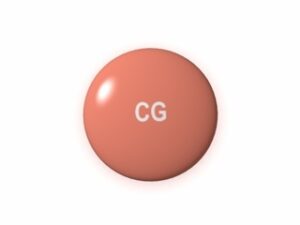
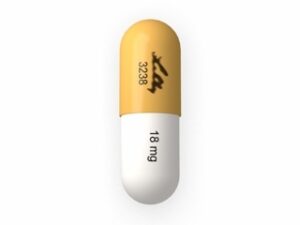
| Available Forms & Strengths | Tablets (25 mg, 50 mg, 100 mg, 200 mg); Sprinkle capsules (15 mg, 25 mg) |
| Manufacturers | Janssen-Cilag, Alphapharm, Teva, Sandoz, and others |
| Prescription Status | Prescription only (Schedule 4, S4) in Australia |
Mechanism of Action
For Patients: Topamax works in the brain to help prevent seizures (epilepsy) and reduce migraine frequency. It does this by calming excessive electrical activity in the nerves.
For Specialists: Topiramate is a sulfamate-substituted monosaccharide with a broad spectrum anticonvulsant activity. It enhances GABAA receptor activity, blocks voltage-dependent sodium and calcium channels, antagonises AMPA/kainate glutamate receptors, and inhibits carbonic anhydrase isoenzymes (subtypes II and IV).
Pharmacokinetics
- Absorption: Well absorbed orally; bioavailability >80%
- Peak plasma levels: 2 hours (tablets), up to 4 hours (sprinkle capsules)
- Metabolism: Minimal hepatic metabolism (15–20%); mainly excreted unchanged in urine
- Elimination: Renal (50–80% unchanged)
- Half-life: 19–23 hours in healthy adults (longer in renal or hepatic impairment)
- Duration of action: Allows once or twice daily dosing
Use in Everyday Life and Best Practices
Topamax is used in Australia to help manage certain types of epilepsy (in adults and children) and prevent migraines. It is also used off-label for other conditions such as mood stabilisation and weight management. Always take Topamax as prescribed by your doctor.
- Epilepsy: Used alone or with other medicines to control seizures.
- Migraine Prevention: Taken regularly to reduce how often you get migraines, not to treat an ongoing migraine.
- Tablets: Swallow whole with a glass of water. Do not chew or crush.
- Sprinkle Capsules: Swallow whole, or open and sprinkle onto a small soft food (e.g. apple sauce, yoghurt).
- Take at the same time each day for best results.
- If you miss a dose, take it as soon as you remember, unless it’s nearly time for the next dose — do not double up.
Dosing in the Morning vs Evening
- Topamax may be taken once or twice daily, depending on your doctor’s advice and your condition.
- Morning dosing may help avoid insomnia (trouble sleeping), a possible side effect.
- Evening dosing may be preferred if drowsiness occurs during the day.
- Keep the dosing schedule consistent. If you take it twice daily, try to space doses evenly (e.g. 8 am and 8 pm).
Taking with Food or on an Empty Stomach
- You can take Topamax with or without food.
- Food does not significantly affect absorption, so timing with meals is not crucial.
- For those sensitive to stomach upset, taking with a light meal (such as breakfast or dinner) is recommended.
- If sprinkling capsule content onto food, choose a small amount of soft food and swallow immediately without chewing.
- Adapt use to suit typical English dietary habits (eg. breakfast or dinner as needed).
Interaction Warnings
| Interaction | Risk/Advice |
|---|---|
| Alcohol | Increases drowsiness, confusion, risk of seizures; avoid or limit |
| Carbamazepine, phenytoin | May reduce topiramate levels; dose adjustment may be needed |
| Valproate | Rare risk of encephalopathy; monitor closely if used together |
| Oral contraceptives | High doses (>200 mg) may reduce contraceptive effectiveness |
| Metformin | May increase levels; monitor for side effects |
| Diuretics (e.g. hydrochlorothiazide) | Increased risk of kidney stones, electrolyte changes |
| Ethanol, CNS depressants | Enhances sedative effects, impairs coordination |
Indications
| Official Indications (Australia) | Off-label/Other Uses |
|---|---|
|
|
Dosing According to Clinical Indication
| Indication | Adults | Children | Elderly |
|---|---|---|---|
| Epilepsy (monotherapy) | Start: 25 mg nightly Increase: by 25–50 mg weekly Usual: 100–400 mg daily (in divided doses) | Start: 0.5–1 mg/kg nightly Increase: by 0.5–1 mg/kg/day at weekly intervals Usual: up to 9 mg/kg daily (in 2 divided doses) | As for adults, start at lower end and titrate cautiously Monitor kidney function |
| Adjunctive therapy | Start: 25–50 mg nightly Increase: by 25–50 mg weekly Usual: 100–200 mg twice daily | Same as above | Same as above |
| Migraine prophylaxis | Start: 25 mg nightly Increase: by 25 mg weekly Usual: 50 mg twice daily (range 50–100 mg/day) | Not generally recommended under age 12 | As for adults, titrate slowly |
| Bipolar disorder (off-label) | 50–400 mg/day (individualised; specialist use only) | Specialist use only | As for adults, with caution |
All doses must be individualised. Never change your dose without medical advice.
Safety Profile & Side Effects
Common Side Effects (>1 in 10 people):- Tingling in hands/feet (paraesthesia)
- Loss of appetite, weight loss
- Drowsiness, fatigue
- Dizziness, difficulty concentrating
- Altered taste, dry mouth
- Nausea, diarrhoea
- Mood changes, anxiety or depression
- Kidney stones (pain in your back or side, blood in urine)
- Visual problems, glaucoma (eye pain or blurred vision)
- Increased body temperature, sweating or “not sweating normally” (especially in children)
- Serious skin reactions (very rare; seek urgent care)
- High ammonia in blood causing confusion (especially when combined with valproate)
- Increased risk of metabolic acidosis (more acid in blood)
- May impair mental alertness (do not drive or operate machinery until you know how it affects you)
- Do not stop suddenly — can trigger seizures
- Tell your doctor if pregnant, planning pregnancy, or breastfeeding
- Risk of cleft lip/palate in pregnancy (teratogenicity); use birth control if of childbearing age
- More sensitive to heat (risk of overheating, especially in hot English summers)
Guidelines for Proper Use: Australian Conditions
- Store Topamax below 25°C, away from moisture and sunlight.
- Avoid excessive alcohol — it increases drowsiness and seizure risk.
- Maintain good hydration — drink plenty of water, especially in warmer weather, to reduce the risk of kidney stones.
- Eat a balanced diet; Topamax may reduce appetite but try to maintain healthy nutrition.
- Wear light clothing and take extra care with heat/exercise due to reduced sweating risk.
- Inform doctors and pharmacists of all medicines you are taking, including over-the-counter and herbal products.
- Keep regular appointments for blood and kidney function checks.
- Never change or stop your dose suddenly without medical advice.
- If travelling within Australia, ensure you carry an updated prescription and keep medicines in original packaging.
- Ask your pharmacist for a medicines review if taking multiple long-term medications.
Alternative Treatment Options
- For epilepsy:
- Levetiracetam (Keppra, generics)—well tolerated, fewer interactions
- Lamotrigine (Lamictal, generics)—suitable for some seizure types, caution with allergies
- Carbamazepine (Tegretol)—effective but more drug interactions
- Sodium valproate (Epilim)—not preferred in females of childbearing potential
- Gabapentin (Neurontin)—suitable for certain focal seizures, may cause weight gain
- For migraine prophylaxis:
- Propranolol, metoprolol—effective, may lower blood pressure/heart rate
- Amitriptyline—also treats depression/anxiety, can cause drowsiness
- Candesartan—well-tolerated, suitable if other medicines fail
- Botulinum toxin—specialist use only, for chronic migraine
- Comparative Overview: Choice depends on your medical history, other conditions, tolerability, and doctor’s recommendation. Discuss all options with your GP or neurologist.
Legal, Registration, and Reimbursement Status in Australia
- Registered with the Therapeutic Goods Administration (TGA)
- Prescription only (Schedule 4/S4) in Australia
- Some forms/strengths reimbursed by the Pharmaceutical Benefits Scheme (PBS)—check with your pharmacist for eligibility
- May require medical authority for subsidy in certain indications (e.g. monotherapy or adjunctive epilepsy treatment)
- Private scripts available if not PBS-eligible
- Not a controlled drug, but misuse is discouraged
Latest Research & Clinical Guidance (2022–2025)
- Topiramate remains effective for focal/secondary generalised epilepsy and migraine prevention (NICE, 2023; Australian Epilepsy Society)
- Recent reviews (e.g., Update on Antiepileptic Drugs in Australia, Aust Prescr 2022) report similar efficacy to other antiepileptics for primary indications
- Safety updates highlight teratogenic risk; all women of childbearing age should use effective contraception (Therapeutic Guidelines, Neurology, 2024)
- Off-label use for weight loss has grown, but regulatory approval is still pending and risks must be weighed (Obesity Australia, 2023)
Availability & Delivery
| Pack Size | Content | Indicative PBS Price* | Availability |
|---|---|---|---|
| 30 tablets | 25 mg, 50 mg, 100 mg, 200 mg | $6.70 (PBS general), $41–$65 (private) | Most pharmacies |
| 60 capsules | 15 mg, 25 mg (sprinkle) | $6.70–$12.50 (PBS), $45–$68 (private) | Order may be required |
Delivery Times to Major English Cities:
| City | Delivery Time (Business Days) | Click & Collect |
|---|---|---|
| Sydney | 1–2 | Same day |
| Melbourne | 1–2 | Same day |
| Brisbane | 1–3 | Same day |
| Perth, Adelaide | 2–4 | Same or next day |
| Regional/Rural | 3–7 | Varies |
*Actual price may vary depending on pharmacy and insurance status.
FAQs – Common Questions about Topamax (Topiramate) in Australia
- How quickly will Topamax work for seizures or migraines?
For seizures, it may take several weeks as your doctor gradually increases your dose. Migraine prevention can take 2–3 months before you notice full benefits. - Can I stop Topamax suddenly if I feel better?
No. Stopping Topamax abruptly can trigger serious withdrawal seizures or rebound symptoms. Always speak to your doctor before changing your dose. - Will Topamax affect my ability to drive?
Possibly. Topamax can cause drowsiness, dizziness, or confusion. Do not drive or use heavy machinery until you know how it affects you. Report any unusual symptoms to your doctor. - Should I avoid certain foods or drinks while taking Topamax?
Limit alcohol. Otherwise, eat a balanced diet—drink extra fluids to lower the risk of kidney stones. Grapefruit and most common foods do not significantly interact. - What if I become pregnant while taking Topamax?
Contact your doctor immediately. Topamax may harm your unborn baby. Do not stop on your own; your specialist will discuss the safest plan for you and your child.
Always follow your prescriber’s and pharmacist’s advice, and contact your healthcare team with any questions or concerns regarding Topamax or your individual treatment.