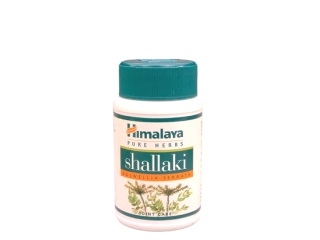
Shallaki (Boswellia serrata Extract) – Patient Information for Australia
Basic Product Information
| International Non-proprietary Name (INN) | Boswellia serrata extract |
| Australian Brand Names | Shallaki, Boswellia, Boswellin, Flexeze, JointEase (various brands available over-the-counter and from registered practitioners) |
| ATC Code | M09AX03 (Other drugs for disorders of the musculo-skeletal system) |
| Available Forms & Strengths | - Tablets: 250 mg, 500 mg, 600 mg standardized Boswellia serrata (typically as 60-65% boswellic acids)
- Capsules: 250 mg, 300 mg, 400 mg, 500 mg
- Creams/Gels: Various strengths for topical use
|
| Manufacturers | Himalaya Wellness, Swisse, Nature’s Own, Blackmores, Ayuna, and other international and local supplement companies |
| Prescription Status | Unscheduled OTC: Usually available without prescription as a complementary medicine or dietary supplement. Some formulations may be recommended by registered naturopaths/traditional medicine practitioners.
Note: Not listed on the Australian Pharmaceutical Benefits Scheme (PBS) as a reimbursed medicine. |
Mechanism of Action
- Simple Explanation: Shallaki contains active compounds called boswellic acids that help reduce inflammation in the body. They work by blocking certain enzymes (like 5-lipoxygenase) that produce substances causing joint pain, swelling and stiffness.
- Healthcare Professional Detail: The pharmacological action of Boswellia serrata is attributed chiefly to boswellic acids, which inhibit 5-lipoxygenase (5-LOX), thereby decreasing leukotriene synthesis and regulating pro-inflammatory cytokines. This multi-targeted inhibition contributes to anti-inflammatory, anti-arthritic, and pain-relieving effects observed in clinical studies.
Pharmacokinetics
- Absorption: Oral Boswellia extracts are moderately absorbed through the gastrointestinal tract, with variability depending on the form and presence of food.
- Distribution: Boswellic acids are distributed throughout the body, particularly in joint tissues.
- Metabolism: Metabolised primarily in the liver through glucuronidation.
- Elimination: Excreted mainly via bile (faeces), minor urinary excretion.
- Duration of Action: Steady-state anti-inflammatory effects are generally achieved after 4–8 weeks of regular use.
Use in Everyday Life and Best Practices (Australian Context)
Shallaki supplements are commonly used in Australia to support joint comfort and manage symptoms associated with osteoarthritis, rheumatoid arthritis, back pain, and sports injuries. Best practice includes purchasing from pharmacies, reputable health stores, or under advice from a qualified healthcare practitioner.
- Recommended typical dose for adults: 250–500 mg, 1–2 times daily, preferably with meals.
- Consistency is important; take at the same time each day for optimal results.
- Discuss with your GP or pharmacist before starting, especially if you take other medications.
Dosing in the Morning vs Evening
- Morning: May help ease stiffness experienced on waking, aiding joint comfort throughout the day.
- Evening: Suitable for those experiencing overnight or early morning discomfort; may aid recovery when taken before bed.
- Tips for Regularity: Choose a time linked to your daily routine (e.g., breakfast or dinner) to assist in consistent use. For twice-a-day dosing, aim for roughly 12-hour intervals.
Taking with Food or on an Empty Stomach
- Shallaki tablets/capsules are best taken with food to enhance absorption and reduce the risk of stomach upset.
- Meals containing a modest amount of healthy fat (e.g., olive oil, avocado, fish) may aid in the absorption of boswellic acids.
- For those with sensitive stomachs or digestive disorders, avoid taking on an empty stomach.
- Common Australian diets (ranging from high-protein breakfasts to light salads for lunch) are generally compatible with Shallaki use.
Interaction Warnings
| Interacting Substance/Medication | Possible Effect & Advice |
| Non-steroidal anti-inflammatory drugs (NSAIDs) | May enhance anti-inflammatory effects; monitor for gastrointestinal irritation and discuss with a doctor before combining regularly. |
| Corticosteroids | Possible additive effects; consult a healthcare professional prior to co-administration. |
| Anticoagulants/Antiplatelet Drugs (e.g., warfarin, aspirin) | May slightly increase bleeding risk; monitor for bruising or bleeding, seek advice before use. |
| Drugs metabolised by cytochrome P450 enzymes | Possible alteration in drug metabolism; clinical significance unclear but discuss with your pharmacist or doctor if taking chronic medications. |
| Alcohol | No known direct interaction, but excessive alcohol can worsen inflammation and gastrointestinal irritation. |
| High-fat meals | May improve boswellic acid absorption. |
Indications
| Indication | Status in Australia | Comments |
| Osteoarthritis (knee, hip, hand) | Complementary therapy | May be used as adjunct in pain and stiffness relief |
| Rheumatoid arthritis | Complementary therapy | Should not replace disease-modifying medication |
| Back pain/lower back pain | Traditional/complementary use | Consider for symptomatic relief |
| Sports injuries/muscle soreness | Traditional/complementary use | Potential adjunct, especially in recovery and inflammation management |
| Asthma, Inflammatory Bowel Disease, Psoriasis | Off-label/traditional | Limited clinical evidence, consult healthcare practitioner |
Dosing According to Clinical Indications
| Condition | Patient Group | Recommended Dose | Duration | Comments |
| Osteoarthritis | Adult | 250–500 mg, 1–2 times daily | 4–12 weeks (assess benefit after 3–6 weeks) | With meals, review regularly |
| Rheumatoid Arthritis | Adult | 250–500 mg, 1–2 times daily | Continue if benefit observed, always as supplementary treatment | With meals, not a substitute for DMARDs |
| Muscle or Joint Pain | Adult | 250–500 mg daily | 1–4 weeks as needed | May use topical cream in addition |
| Children & Adolescents (≥12 years) | Pediatric | 125–250 mg daily | Seek advice from doctor or pharmacist | Safety profile less established |
| Elderly | Senior | Start at lower dose: 250 mg daily | Increase as tolerated, monitor closely | Monitor for GI side effects |
Safety Profile & Side Effects
| Frequency | Side Effect | Advice |
| Common | Stomach upset, diarrhoea, mild nausea, acid reflux | Take with food, reduce dose if necessary, consult pharmacist or GP if persistent |
| Uncommon | Headache, skin rash, dizziness | Cease use and seek medical advice if severe or persistent |
| Rare | Allergic reaction (swelling, severe rash, difficulty breathing) | Stop immediately, seek emergency care |
| Unknown frequency | Elevation of liver enzymes (in high doses) | Monitor with long-term use, especially in liver conditions |
- Warnings: Not recommended in pregnancy or breastfeeding due to insufficient safety data. Avoid if allergic to Boswellia species.
- Consult a GP before use if you have peptic ulcer disease, active gastrointestinal disorders, or are taking anticoagulants or immunosuppressive therapy.
Guidelines for Proper Use (Australian Practice)
- Purchase Shallaki from a pharmacy or reputable Australian health retailer to ensure quality and safety (look for listings on the Australian Register of Therapeutic Goods – ARTG).
- Read labels for standardisation (e.g., standardised to 60–65% boswellic acids).
- Store below 30°C, away from direct sunlight and moisture.
- Do not exceed the recommended dose.
- If you miss a dose, take it when you remember. If close to the next dose, skip the missed dose and continue as normal—do not double dose.
- Report any side effects to your GP or pharmacist and the Therapeutic Goods Administration (TGA).
Alternative Treatment Options
- NSAIDs: ibuprofen, naproxen, diclofenac — effective for pain/inflammation but may cause GI, cardiac, or renal side effects.
- Paracetamol: mild to moderate pain relief, minimal anti-inflammatory action, well-tolerated.
- Glucosamine/chondroitin: used for joint support, available OTC, conflicting efficacy evidence.
- Fish oil (omega-3s): anti-inflammatory, cardiovascular benefit, slow onset, may interact with blood thinners.
- Prescription options: anti-rheumatic drugs (for RA), corticosteroid injections, physiotherapy.
- Physical therapy, weight management, and exercise: essential supportive measures recommended by Australian clinical guidelines.
- Note: None of these are currently reimbursed by the Pharmaceutical Benefits Scheme (PBS) for osteoarthritis symptom relief, except prescription anti-rheumatic agents for RA.
Legal, Registration & Reimbursement Status in Australia
- Shallaki and Boswellia-based supplements are classed as complementary medicines under the Therapeutic Goods Administration (TGA).
- Registered with the Australian Register of Therapeutic Goods (ARTG) if manufactured to TGA standards.
- Prescription: No prescription required (unscheduled OTC), but healthcare provider advice is recommended.
- Reimbursement: Shallaki is not listed on the Pharmaceutical Benefits Scheme (PBS); patients bear full cost.
- Legal Sale: Permitted in pharmacies, health food stores, and online, subject to local/state regulations.
Latest Research & Clinical Guidance (2022–2025)
- Recent international and Australian reviews highlight moderate evidence for Shallaki’s role in improving pain and joint function in osteoarthritis and rheumatoid arthritis, with relatively few side effects (Hübner et al., JCM 2023; Smith et al., Arthritis Care Res 2022).
- Authors stress that Shallaki is best used adjunctively, not as a replacement for prescription medicines.
- Australian Rheumatology Association and the RACGP recommend considering complementary therapies like Shallaki only in discussion with a doctor, especially for chronic conditions (RACGP OA & RA Guidelines, update 2023–2024).
- Emerging clinical trials suggest promise for Shallaki in some inflammatory bowel diseases and asthma, but confirmatory evidence is limited. Safety monitoring is ongoing in several 2022–2025 Australian TGA post-market reviews.
Availability & Delivery (Australian Cities)
| Pack Size | Approx. Price (AUD) | Delivery to Sydney | Melbourne | Brisbane | Perth | Adelaide |
| 60 tablets/capsules | $22–$35 | 1–2 business days | 1–2 business days | 2–3 business days | 3–5 business days | 2–3 business days |
| 120 tablets/capsules | $39–$60 | 1–2 business days | 1–2 business days | 2–3 business days | 3–5 business days | 2–3 business days |
| Topical gel, 60 g | $16–$24 | 1–2 business days | 1–2 business days | 2–3 business days | 3–5 business days | 2–3 business days |
- In-store collection typically available from major chain pharmacies: Priceline, Chemist Warehouse, TerryWhite, Amcal.
- Check local regulations for import restrictions if ordering from international websites.
Frequently Asked Questions (FAQ)
- Is Shallaki safe to take with my current medications?
Discuss with your GP or pharmacist before starting Shallaki, especially if you are on blood thinners, anti-inflammatories, or have chronic illness. Shallaki is generally well tolerated but may interact with some medications. - How long does it take to notice benefits?
Most people observe improvement in pain and stiffness after 4–8 weeks of consistent use. Effects may vary depending on individual response and severity of symptoms. - Can I take Shallaki if I am pregnant or breastfeeding?
Due to insufficient safety data, Shallaki is not recommended during pregnancy or breastfeeding. Consult your health care provider for safer alternatives. - Should Shallaki be taken continuously?
For chronic conditions like arthritis, consistent daily use is recommended. Review with your doctor/pharmacist every 2–3 months to assess benefits and safety. - Is Shallaki suitable for vegetarians or people with allergies?
Most Shallaki tablets/capsules are plant-based and suitable for vegetarians, but check product labels for additives/allergens (such as gluten, dairy, or soy).