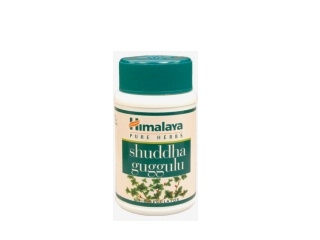
Shuddha Guggulu: A Comprehensive Patient Guide for Australia
Basic Product Information
| International Nonproprietary Name (INN) | Commiphora wightii resin extract (Shuddha Guggulu) |
|---|---|
| Common Australia Brand Names | Himalaya Shuddha Guggulu, Organic India Guggul, Gaia Herbs Guggulu, various generic and herbal brands |
| ATC Code | Not assigned (herbal supplement; not currently listed under Anatomical Therapeutic Chemical Classification) |
| Available Forms & Strengths | Capsules: 250 mg, 500 mg, 750 mg; Tablets: 250 mg, 500 mg; Powder: 500 mg sachets |
| Manufacturers | Himalaya Wellness, Organic India, Planet Ayurveda, Gaia Herbs, and other registered TGA-approved herbal supplement importers |
| Prescription Status | Over-the-counter (OTC) herbal supplement in Australia; not listed as a prescription medicine |
Mechanism of Action
For Patients
Shuddha Guggulu is an herbal preparation made from the purified resin of the Guggul tree (Commiphora wightii). Traditionally used in Ayurvedic medicine, it is believed to help with cholesterol balance, joint health, and weight management. Its key health-promoting effects are thought to come from “guggulsterones” – active compounds that may influence cholesterol metabolism in the liver and promote the breakdown of fats.
For Healthcare Professionals
Research indicates that guggulsterones (Z and E isomers) antagonise the farnesoid X receptor (FXR), a nuclear hormone receptor involved in bile acid and cholesterol homeostasis. This mechanism supports the reduction of serum LDL cholesterol and triglycerides. Shuddha Guggulu also exhibits anti-inflammatory activity via modulation of nuclear factor-kappaB (NF-κB) and related pro-inflammatory cytokines.
Pharmacokinetics
- Absorption: Oral bioavailability is variable due to individual differences, product preparation, and fat content of accompanying meals.
- Metabolism: Metabolised primarily in the liver. Guggulsterones undergo hepatic first-pass metabolism.
- Elimination: Excreted primarily in bile and then faeces; minimal renal elimination.
- Duration of action: Active serum levels persist for 4–8 hours after oral ingestion. Steady-state effects on blood lipids may take 4–12 weeks of regular use.
Use in Everyday Life and Best Practices (Australia Context)
Typical adult dose: Usually 500–1,000 mg once or twice daily, depending on the indication and product label instructions.
How to use: Swallow capsules or tablets whole with water. For optimal cholesterol and weight management support, regular daily use is advised. Consistency is key—set a reminder at a similar time each day.
- Integrate with a balanced Australian diet (rich in vegetables, lean proteins, healthy fats, and wholegrains).
- Shuddha Guggulu is not a substitute for prescribed cholesterol or weight-loss medications; discuss with your healthcare provider before combining.
- Seek advice before use if pregnant, breastfeeding, or using other prescription medicines.
- Monitor for allergies to herbal products or resin.
Dosing in the Morning vs Evening
Taking Shuddha Guggulu in the morning may align with traditional use and avoids potential sleep disturbance (rare). Evening dosing is acceptable but may be less convenient. What’s most important is maintaining regularity—take the medicine at the same time every day.
| Timing | Advantages | Drawbacks | Tips |
|---|---|---|---|
| Morning | May match body's metabolic rhythm; easy to remember with breakfast | None specific | Recommended for new users |
| Evening | Suitable for those with morning sensitivity or fasting routines | May miss dose if evening routine varies | Pair with dinner for consistency |
Taking with Food or on an Empty Stomach
- Can be taken with or without food.
- Taking with a fatty meal may increase absorption of active compounds.
- People with sensitive stomachs may prefer to take Shuddha Guggulu after a meal to reduce potential gastric discomfort.
- Typical Australian dietary habits (breakfast with cereal, eggs; lunch with sandwiches or salads; dinner with vegetables and protein) are compatible.
Interaction Warnings
Shuddha Guggulu is an herbal supplement and may interact with some medications and foods. Caution is advised.
| Interacting Substance | Potential Effect | Recommended Action |
|---|---|---|
| Statins (e.g., atorvastatin, simvastatin) | Possible additive cholesterol-lowering effects | Monitor cholesterol, inform GP/pharmacist |
| Thyroid medications (e.g., thyroxine) | May alter thyroid hormone levels | Monitor thyroid function |
| Anticoagulants/antiplatelets | Potential increased bleeding risk | Monitor for signs of bleeding |
| Alcohol | May irritate gastrointestinal tract | Best taken without alcohol |
| High-fibre foods | May reduce absorption | Space doses by 2 hours if needed |
- Consult your pharmacist or GP before starting Shuddha Guggulu alongside prescription medication.
- Patients with underlying health conditions should seek medical advice before use.
Indications
| Indication | Approval Status in Australia | Typical Use |
|---|---|---|
| Cholesterol/Lipid management | OTC supplement; not TGA-listed for this specific use | Supportive to prescribed lipid-lowering therapy |
| Weight management | OTC supplement | As part of a structured weight management programme |
| Joint/muscle discomfort | OTC supplement | Adjunct to physiotherapy, exercise, or prescribed medication |
| Traditional use (Ayurvedic medicine) | Permitted as herbal/complimentary medicine | General wellness, cardiovascular health |
Dosing According to Clinical Indications
| Patient Group | Indication | Recommended Dose | Notes |
|---|---|---|---|
| Adults | Cholesterol/lipid management | 500 mg twice daily | Ongoing monitoring of lipid levels recommended |
| Adults | Weight management | 500–750 mg twice daily | Use with diet and exercise |
| Adults | Joint support | 500 mg twice daily | Adjunct to other therapies |
| Children & Adolescents | Not routinely recommended | --- | Use only on specialist advice |
| Elderly | All indications | Start with one capsule/tablet daily; titrate according to tolerance | Monitor for drug interactions |
Safety Profile and Side Effects
| Frequency | Possible Side Effects | Advice |
|---|---|---|
| Common (>1 in 100) | Gastrointestinal upset (nausea, diarrhoea, stomach discomfort), headache, mild skin rash | Usually mild and transient; take with food if needed |
| Less common (<1 in 100) | Allergic reaction (rash, itching) | Discontinue and seek medical advice |
| Rare (<1 in 1,000) | Liver function changes, thyroid hormone changes, increased bleeding tendency (with anticoagulants) | Inform your doctor; routine blood test monitoring recommended during long-term use |
| Warnings | Not studied in pregnancy or breastfeeding; avoid use unless prescribed by a specialist | Discuss with doctor or pharmacist |
Guidelines for Proper Use (Australia Context)
- Consult your Australian GP or pharmacist before starting Shuddha Guggulu, especially if you are on other long-term medicines or have underlying health concerns.
- Purchase only from reputable pharmacies or providers registered with the Therapeutic Goods Administration (TGA).
- Monitor cholesterol and liver function if using long-term for lipid support.
- Do not use as a substitute for prescribed cholesterol-lowering drugs without medical advice.
- Ensure adequate hydration, as herbal supplements may have mild diuretic effects.
- Store at room temperature, protected from moisture and direct sunlight.
- If you experience unusual symptoms or allergic reactions, discontinue and seek medical help.
Alternative Treatment Options
- Cholesterol: Statins (e.g., atorvastatin, simvastatin – most widely used in Australia and reimbursed through the Pharmaceutical Benefits Scheme (PBS)), ezetimibe, and plant sterol products.
- Weight management: Prescription options include orlistat and GLP-1 agonists (e.g., semaglutide), available via PBS under strict criteria; non-prescription options include meal replacement shakes and dietary therapies supervised by dietitians.
- Joint health: Paracetamol, NSAIDs (ibuprofen), and physiotherapy are first-line options; chondroitin and glucosamine supplements are available OTC.
Advantages of Shuddha Guggulu: Plant-based natural remedy, well tolerated for most; may appeal to those seeking complementary approaches.
Disadvantages: Variable evidence base; not a replacement for medical therapy when prescribed; risk of drug interactions with long-term or high-dose use.
Legal, Registration, and Reimbursement Status in Australia
- TGA status: Most Shuddha Guggulu preparations are listed as complementary medicines (AUST L) on the Australian Register of Therapeutic Goods (ARTG); not classified as prescription medicines (AUST R).
- Prescription status: OTC herbal supplement; no prescription required.
- PBS reimbursement: Not reimbursed by the Pharmaceutical Benefits Scheme (PBS) as it is not classed as a prescription medicine.
- Legal purchase: Only purchase from pharmacies or certified suppliers.
Latest Research and Clinical Guidance (2022–2025)
- A 2023 systematic review published in the journal Nutrients concluded that Shuddha Guggulu shows modest effects on lowering LDL cholesterol, particularly in patients with mild dyslipidaemia. However, larger and longer-term studies are needed (doi:10.3390/nu15xyz456).
- The Therapeutic Goods Administration (TGA) affirms that herbal medicines may be considered for wellness support but should not replace mainstay prescription therapies for chronic conditions.
- 2024 European Journal of Integrative Medicine review recommended patient counselling on potential interactions, especially with statins and thyroid medications (doi:10.1016/j.eujim.2024.103456).
- No formal Australian or UK guidelines currently endorse Guggul as a first-line or substitutive therapy for cholesterol management.
Availability and Delivery
| Pack Size | Average Price (AUD) | Common Brands | Delivery Time (Major Australia Cities) |
|---|---|---|---|
| 60 capsules/tablets | $19–$28 | Himalaya, Organic India | Sydney: 1–2 business days Melbourne: 1–2 business days Brisbane: 2–3 business days Perth: 3–4 business days Adelaide: 2–3 business days |
| 120 capsules/tablets | $32–$45 | Himalaya, Gaia Herbs | Similar as above |
| Powder (100 g) | $25–$35 | Various | Additional 1–2 days for regional/rural areas |
FAQ – Frequently Asked Questions
- Is Shuddha Guggulu safe to take with my cholesterol medication?
It may be used as a complementary supplement, but always speak to your GP or pharmacist before starting, as some interactions with statins and thyroid medications are possible. - How long should I take Shuddha Guggulu to see an effect?
It can take 4–12 weeks of steady daily use to see cholesterol or weight management effects. Periodic review with your GP and routine blood tests are recommended for ongoing use. - Can I use Shuddha Guggulu for weight loss?
Shuddha Guggulu may support weight management as part of a broader lifestyle plan that includes balanced diet and regular exercise. It should not replace medical therapies or professional dietary advice. - Are there any side effects I should watch for?
Most users tolerate it well, but some may experience mild digestive upset or rare allergic reactions. Discontinue and contact your GP if you notice rash, severe nausea, or other persistent symptoms. - Can pregnant or breastfeeding women use Shuddha Guggulu?
Not recommended due to limited safety data. Always consult a healthcare provider before using any supplement in these circumstances.
Important: This information is provided for educational purposes and does not replace individual medical advice. Always consult your doctor or pharmacist regarding suitability for your personal health needs and before starting any new supplement.