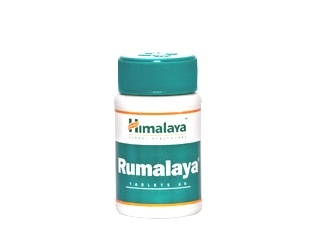
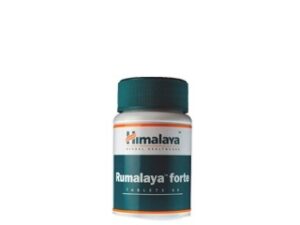
Rumalaya: Patient-Friendly Guide for Australian Pharmacies
Basic Product Information
| International Nonproprietary Name (INN) | Rumalaya (Proprietary polyherbal formulation; no INN applies; commonly contains Boswellia serrata, Indian frankincense, and other herbal ingredients) |
| Australia Brand Names | Rumalaya (primarily distributed by Ayurvedic product importers; not a registered prescription medicine in Australia as of 2024) |
| ATC Code | Not assigned (herbal medicine; not scheduled in the ARTG or PBS) |
| Available Forms & Strengths |
|
| Manufacturers | Himalaya Herbal Healthcare (India); imported by various distributors in Australia |
| Prescription Status | Over-the-counter (OTC); available as a complementary medicine without prescription |
Mechanism of Action
For Patients: Rumalaya works by combining various herbs known for their anti-inflammatory and pain-relieving properties. Its ingredients, such as Boswellia serrata and Indian frankincense, act to soothe joint discomfort, reduce swelling, and promote ease of movement in people with musculoskeletal complaints.
For Specialists: The polyherbal formula is believed to exert its effect chiefly through inhibition of pro-inflammatory enzymes (such as 5-lipoxygenase), reduction of leukotriene synthesis, antioxidant activity, and mild immunomodulation. This can lead to improved joint mobility and alleviation of soft tissue inflammation in osteoarthritis, arthralgia, and soft-tissue rheumatism.
Pharmacokinetics
- Absorption: Oral Rumalaya tablets are absorbed in the gastrointestinal tract. Topical forms are absorbed through the skin at the site of application with minimal systemic absorption.
- Metabolism: Herbal constituents undergo first-pass metabolism in the liver; however, the exact metabolic pathways are not well-defined due to the complex nature of the formulation.
- Elimination: Most components are metabolised and excreted via the kidneys and biliary system.
- Duration of Action: The exact clinical duration varies, but relief of joint discomfort and reduction in swelling are typically observed within 2–4 weeks of consistent use. Topical forms provide more immediate but shorter-term relief (up to 6 hours per application).
Use in Everyday Life and Best Practices
Rumalaya is intended as a natural option for those experiencing mild to moderate joint pain, stiffness, or musculoskeletal discomfort, supporting active lifestyles and mobility. It may be particularly beneficial for people with:
- Osteoarthritis (knee, hip, hand)
- General joint or muscle pain from overuse or exercise
- Minor injuries or sprains
Typical Doses:
Tablets: Commonly 1–2 tablets (250–500 mg) orally, twice daily. Dosage may differ based on individual needs and formulation.
Topical Gel/Ointment: Apply a thin layer over affected area 2–3 times daily, gently massaging in for best absorption.
Practical Tips: Always follow product instructions and consult a pharmacist or healthcare professional to tailor dosing. Do not exceed recommended dosages or combine with strong anti-inflammatories without medical advice.
Dosing in the Morning vs. Evening
- Morning Dose: Helps reduce stiffness and improve mobility for the day; recommended especially for people with morning joint pain.
- Evening Dose: May relieve discomfort after daily activities and improve sleep quality.
- Consistency: Take doses around the same time each day to maintain stable blood levels of herbal actives.
- Tip: Set an alarm or calendar reminder for regularity, especially if using more than one form.
Taking with Food or on an Empty Stomach
Rumalaya tablets can be taken with or without food. Taking with a light meal or snack is often recommended to minimise any potential stomach upset. In the context of a typical English (Australian) diet, including toast, cereal, or a light salad is suitable when taking the medication. There is no evidence that meals high in fat or dairy affect absorption of Rumalaya significantly.
Topical formulations do not require dietary considerations.
Interaction Warnings
| Substance/Type | Potential Effect | Advice |
|---|---|---|
| Warfarin or anticoagulants | Increased risk of bleeding (due to potential mild antiplatelet effects of Boswellia) | Monitor closely; consult doctor/pharmacist |
| NSAIDs (e.g., ibuprofen, naproxen) | Possible additive GI or renal effects | User caution; avoid doubling up on anti-inflammatories |
| Alcohol | May increase risk of GI irritation | Limit alcohol while taking oral Rumalaya |
| Other herbal supplements | Unknown interactions, especially with enhanced "detox" or anti-inflammatory blends | Inform your pharmacist about all supplements used |
| Certain antihypertensives (rare) | Theoretical mild BP-lowering effect | Monitor BP if on ACE-inhibitors or diuretics |
Indications
| Indication | Status | Details |
|---|---|---|
| Osteoarthritis | Traditional/Complementary Indication | May assist with joint pain, swelling, stiffness |
| Rheumatoid arthritis | Supportive/Adjunct (not first-line) | May be used with conventional treatments |
| Musculoskeletal pain (non-specific) | Traditional Indication | Short-term symptomatic relief |
| Soft tissue injuries (sprains, strains) | Topical/Traditional | Local use recommended |
| Off-label: Gout, backache | Not officially recommended | Consult with doctor before use |
Dosing According to Clinical Indications
| Patient Group | Oral Tablets | Topical Gel/Ointment |
|---|---|---|
| Adults | 1–2 tablets twice daily | Thin layer 2–3 times daily |
| Children (12–17y) | Consult with a healthcare professional; typically half adult dose | As directed; avoid large body surface |
| Elderly (>65y) | Start at lowest effective dose; monitor for tolerance | Similar to adults; use with caution if skin is fragile |
| Pregnancy/Breastfeeding | Not recommended unless approved by a doctor | Topical use preferred if advised |
Safety Profile and Side Effects
- Common (1–10%): Mild gastrointestinal upset (nausea, diarrhoea), skin irritation (topical), headache
- Uncommon (0.1–1%): Allergic rash, liver enzyme elevation (mainly with high oral doses)
- Rare (<0.1%): Severe hypersensitivity, bronchospasm (patients with herbal allergies), significant gastrointestinal bleeding (with anticoagulants)
- Warnings: Avoid if allergic to Boswellia, Indian frankincense, or other herbal components; avoid in children under 12 unless medically supervised.
Guidelines for Proper Use
- Purchase from reputable Australian pharmacies or direct importers registered with the TGA (Therapeutic Goods Administration).
- Read the consumer medicine information leaflet before starting treatment.
- Do not use on broken skin (topical gel) and avoid mucous membranes.
- Report any new or unusual symptoms to your doctor or pharmacist.
- If no benefit is seen after 4 weeks, consult your GP regarding alternative treatments.
- Keep all medicines, including herbal supplements, out of reach of children and pets.
Alternative Treatment Options
- Pharmaceuticals (PBS-listed):
- Paracetamol (first-line for mild-moderate pain; well-tolerated, widely available)
- Non-steroidal anti-inflammatory drugs (NSAIDs; e.g., ibuprofen, diclofenac; effective but caution in elderly or those with GI/cardiac risk)
- Topical NSAID gels (diclofenac, ibuprofen gel; similar topical relief, higher clinical evidence)
- COX-2 inhibitors (e.g., celecoxib; for chronic arthritis, on prescription)
- Other Complementary Options:
- Glucosamine and chondroitin (mixed clinical evidence)
- Fish oil (may help with inflammation, especially in rheumatoid arthritis)
- Physical therapy and tailored exercise regimens
- Acupuncture and heat/cold modalities
- Pros & Cons:
- Rumalaya: Plant-based, generally safe; clinical evidence moderate; not subsidised by PBS.
- Paracetamol/NSAIDs: Evidence-based, reimbursed; may have more pronounced side-effects (GI, renal, cardiac risk—especially in chronic use).
- Supplements/Exercise: Lifestyle-friendly; efficacy less predictable but part of holistic care.
Legal, Registration, and Reimbursement Status in Australia
- Registration: Rumalaya is classified as a complementary medicine and included in the ARTG for limited indications. It is not a registered prescription medicine in Australia.
- Legal Status: Available over-the-counter (OTC); may be purchased in pharmacies, health food stores, or via online importers.
- Reimbursement: Not listed on the Pharmaceutical Benefits Scheme (PBS); costs are borne by the patient.
- Prescribing: No script required; advisable to inform your GP of any complementary therapies you are taking.
Latest Research and Clinical Guidance (2022–2025)
- Rumalaya and its main constituents (Boswellia, Guggul) have moderate evidence supporting use for osteoarthritis and mild joint pain (see: Bharati K et al., J Ayurveda Integr Med, 2022).
- National Institute for Health and Care Excellence (NICE) UK and Australian guidelines still recommend NSAIDs/paracetamol as first-line treatment; complementary options may be considered if standard therapies are insufficient or not tolerated (NICE NG226: Osteoarthritis in over 16s: diagnosis and management, updated 2023).
- TGA advises caution with herbal and complementary medicines, especially in patients taking polypharmacy or with chronic disease (TGA Safety Update, Dec 2023).
Availability and Delivery
| Pack Size | Indicative Price (AUD) | Delivery (Major Cities) |
|---|---|---|
| 30 Tablets | $16–$24 | 1–3 business days (Sydney, Melbourne, Brisbane) |
| 60 Tablets | $27–$38 | 2–4 business days (Adelaide, Perth) |
| Gel/Ointment (30 g) | $10–$15 | 1–3 business days (Sydney, Melbourne) |
| Gel/Ointment (50 g) | $16–$22 | 2–4 business days (nationwide) |
Availability may vary; purchase from licensed Australian pharmacy suppliers for best reliability and quality assurance.
FAQ – Rumalaya for Australian Patients
- Is Rumalaya safe to use with prescription medications?
If you are on blood thinners, anti-inflammatories, or medications for chronic diseases, consult your pharmacist or GP before use, as herbal products can interact with some prescription medicines. - How soon will I feel the effects of Rumalaya?
Most people notice reduced joint discomfort within 2–4 weeks of regular use; topical gel may provide quicker, temporary relief in 20–30 minutes. - Can I use Rumalaya alongside other pain relievers?
Yes, but avoid exceeding the recommended maximum doses of paracetamol or NSAIDs. Always mention all medicines and supplements you take to your doctor or pharmacist. - Is Rumalaya suitable for vegetarians or those on special diets?
Most Rumalaya products are plant-based and free from animal products, but check the label or ask the pharmacist about excipients if you have specific dietary concerns. - Do I need a prescription in Australia to buy Rumalaya?
No. Rumalaya is available as an over-the-counter complementary medicine. Be sure to purchase from a reliable supplier for product quality and safety.