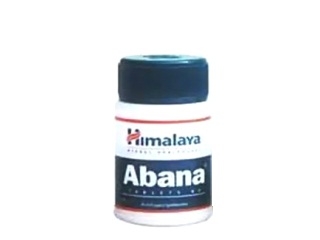
Abana (INN: Proprietary Herbal Formula)
Basic Product Information
| International Nonproprietary Name (INN) | Proprietary Herbal Formula (contains Terminalia arjuna, Withania somnifera, and other plant extracts) |
| Brand names available in Australia | Abana |
| ATC Code | C10AX — Other lipid modifying agents; not officially classified by the TGA as of June 2024 |
| Available forms & strengths | Tablets: 250 mg; 500 mg Herbal Extract |
| Manufacturer | The Himalaya Drug Company (distributed by select complementary medicine suppliers in Australia) |
| Prescription status | Pharmacy Medicine (Schedule 2); available over the counter as a complementary medicine. Not PBS-listed. |
Mechanism of Action
For Patients: Abana is a natural herbal medicine used to support heart health and normal cholesterol levels. It works by improving your body's natural balance of cholesterol and supporting the tissues of your heart and blood vessels. Abana is thought to help control abnormal lipid (fat) levels in the blood and promote better blood circulation.
For Specialists: The formulation’s major constituents, such as Terminalia arjuna and Withania somnifera, exert lipid-lowering effects by modulating hepatic cholesterol biosynthesis, enhancing LDL receptor activity, and reducing oxidative stress on cardiovascular tissue. The combination is also suspected to offer mild vasodilatory effects and modulate inflammatory cytokines.
Pharmacokinetics
- Absorption: Bioavailability of individual herbal components varies; most extracts are absorbed over 2–4 hours post ingestion.
- Metabolism: Metabolised via hepatic enzyme pathways; full pharmacokinetic profile not fully elucidated due to the complex herbal combination.
- Excretion: Primarily excreted in urine and faeces as metabolites.
- Duration of action: Mild, sustained effect with chronic use; clinical benefits seen after 2–3 months of consistent dosing.
Use in Everyday Life and Best Practices
Abana is commonly used as part of a holistic approach to maintaining healthy cholesterol and supporting long-term heart health. It is suitable for adults seeking a natural adjunct to lifestyle changes, like a healthy diet and exercise, especially when statin-based drugs are unsuitable or require supplementation.
- Typical dose: 2 tablets (250–500 mg per tablet), twice daily.
- Administration: Swallow whole with water, preferably at a consistent time each day to support routine and efficacy.
- Australian context: Should accompany a heart-healthy diet based on the Australian Nutrition Guidelines — rich in fresh vegetables, wholegrains, fish, nuts, and low in processed foods and saturated fat.
Note: Always check with your healthcare provider or pharmacist before beginning Abana, especially if you take other medications.
Dosing: Morning vs Evening
- There is no strict requirement to take Abana at a specific time of day; however, consistency yields better results.
- Morning dosing: Preferred for those who take other morning supplements/medicines, as it supports routine. May boost daytime energy.
- Evening dosing: Suitable for those who prefer bedtime dosing. Has not shown to cause drowsiness or sleep disturbances.
- Tip: Set a phone reminder or link Abana dosing with a regular habit (like brushing teeth) for better adherence.
Taking with Food or on an Empty Stomach
- Abana can be taken with or without food.
- With meals: May reduce rare instances of stomach discomfort and is often recommended with breakfast and/or dinner.
- Australian dietary habits: Integrating Abana with main meals and following heart-healthy Australian eating patterns enhances benefits.
- On an empty stomach: Absorption may be slightly enhanced but not significantly; not recommended if you have a sensitive stomach.
Interaction Warnings
| Type of Interaction | Recommendation/Warning |
|---|---|
| Food | No significant interactions. Maintain a balanced, low-fat diet for best results. |
| Alcohol | Limit alcohol intake. Excessive alcohol can increase cholesterol and blood pressure and may reduce Abana’s efficacy. |
| Medications: Statins | No reported harmful interactions, but inform your doctor and monitor cholesterol regularly. |
| Medications: Blood thinners | Caution: Some herbal ingredients may have mild effects on platelet aggregation; consult a doctor first. |
| Medications: Blood pressure medicines | May have an additive effect. Monitor blood pressure and inform your health professional. |
| Other herbal supplements | Check for ingredient overlap to prevent excessive intake. Consult a pharmacist for advice. |
Indications
| Indication | Status in Australia |
|---|---|
| Adjunct therapy for mild to moderate hypercholesterolaemia | Supported as a complementary medicine; not a substitute for prescribed statins |
| Support for cardiovascular health | Listed under complementary (traditional) medicine |
| Adjuvant in mild hypertension and stress-related heart complaints | Traditional use only; consult with GP |
| General antioxidant and anti-inflammatory support | Recognised in herbal guidelines, but not officially approved for these indications |
Dosing According to Clinical Indications
| Indication | Adults | Paediatric | Elderly |
|---|---|---|---|
| Cholesterol support | 2 tablets twice daily | Use not recommended unless advised by paediatrician | 2 tablets once or twice daily; may start on lower dose due to comorbidities |
| Cardiovascular health | 2 tablets twice daily | Not established | As above, monitor for interactions |
| Stress support | 1–2 tablets twice daily | Not established | Initiate at lowest effective dose |
Always follow your doctor or pharmacist’s advice regarding dosing. Do not exceed recommended dosage.
Safety Profile & Side Effects
- Common side effects (rare): Mild gastrointestinal discomfort (nausea, indigestion), mild headache, tiredness.
- Rare side effects: Allergic reaction (skin rash, itching); if this occurs, stop use and seek immediate medical care.
- Warnings:
- Not for use during pregnancy or breastfeeding without medical advice.
- Not recommended for use by children under 12 years of age.
- Those with severe heart, liver, or kidney disease should consult a doctor before use.
- Monitoring: It is advisable to check your cholesterol levels and blood pressure regularly during use.
Guidelines for Proper Use (Pharmacist/Clinic Advice for Australia)
- Take at the same times daily for best results.
- Do not take more than the recommended dose.
- Monitor your heart health and discuss with your GP before starting any new supplement.
- Integrate Abana use into a long-term plan for cardiovascular health — including regular physical activity and adherence to the Australian Dietary Guidelines.
- If you are due for surgery or dental work, mention your use of herbal supplements to your healthcare provider.
- Store in a cool, dry place out of reach of children.
Alternative Treatment Options
- Statins (e.g., atorvastatin, simvastatin): Evidence-based, PBS-reimbursed; effective in lowering cholesterol. Not suitable for all due to side effect profiles or contraindications.
- Ezetimibe: PBS-listed for high cholesterol; alternative or adjunct to statins. Generally well tolerated.
- Plant sterols/stanols: Over-the-counter supplement; moderate evidence for cholesterol lowering. Can be used in conjunction with dietary changes.
- Other herbal supplements (e.g., red yeast rice): Not regulated to the same standard as prescription medicines.
Pros of Abana: Well-tolerated, natural, suitable for long-term use in most adults.
Cons of Abana: Less robust clinical trial data; not regulated or reimbursed like prescription drugs.
Legal, Registration, and Reimbursement Status in Australia
- TGA Registration: Abana is registered as a listed complementary medicine with the Therapeutic Goods Administration (TGA), not as a prescription pharmaceutical.
- Reimbursement: Not listed on the Pharmaceutical Benefit Scheme (PBS); costs are patient-borne.
- Prescription: No prescription required for purchase.
- Recommended use: As a supplementary, not primary, intervention for cardiovascular or cholesterol management.
Latest Research and Clinical Guidance (2022–2025)
- Meta-analyses (2022–2024): Recent reviews suggest medium-level efficacy for mild hyperlipidaemia when paired with lifestyle change, with good tolerability (see: Australasian Integrative Medicine Association, 2024; J. Ethnopharmacol. 2023).
- Guideline statements: Australian and international societies acknowledge the use of certain herbal products as an adjunct, not primary therapy.
- Research gaps: Large-scale randomised controlled trials on Abana in the Australian population are ongoing.
Availability and Delivery
| Pack size | Average price (AUD) | Delivery to Sydney | Melbourne | Brisbane | Perth | Adelaide |
|---|---|---|---|---|---|---|
| 60 tablets | $19–$25 | 1–2 days | 1–2 days | 1–2 days | 2–4 days | 2–3 days |
| 120 tablets | $35–$45 | 1–2 days | 1–2 days | 1–2 days | 2–4 days | 2–3 days |
Delivery times are indicative for metro areas; longer in remote regions. Check with your pharmacy for latest prices and promotions.
FAQ – Patient Questions & Answers
- Is Abana a substitute for prescription cholesterol or heart medicine?
No. Abana is a complementary supplement. You should not stop, replace, or alter prescribed heart or cholesterol medicines without your doctor's approval. - How long should I take Abana before seeing results?
Most benefits are observed after continuous use for at least 2–3 months with a healthy diet and lifestyle. Regular cholesterol monitoring is recommended. - Can I take Abana with my blood pressure or cholesterol medicine?
In general, yes, but always inform your GP and pharmacist before combining supplements with prescription medication to avoid interactions. - Is Abana suitable for vegetarians and vegans?
Yes. The tablet is plant-based and free from animal-derived ingredients; however, always confirm ingredient lists as formulations can change. - Is Abana safe in pregnancy or breastfeeding?
Safety in pregnancy or breastfeeding is not established. Consult your GP before use if you are pregnant or breastfeeding.