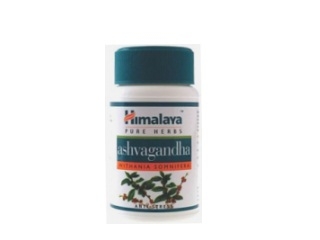

Ashwagandha in Australia: Patient Information and Guidance
Basic Product Information
| International Non-proprietary Name (INN) | Withania somnifera |
|---|---|
| Australia Brand Names | Fusion Ashwagandha, BioCeuticals Ashwagandha, Herbs of Gold Ashwagandha, Ethical Nutrients Ashwagandha |
| ATC Code | D11AX (Unclassified herbal and traditional medicines) |
| Available Forms & Strengths | Tablets (300mg, 500mg), Capsules (300mg, 500mg), Powder (usually 500mg–1,000mg per serve), Liquid extracts (varied concentrations) |
| Manufacturers | BioCeuticals, Herbs of Gold, Fusion Health, Ethical Nutrients, amongst others |
| Prescription Status | Unscheduled (available over the counter in pharmacies and health food stores as a complementary medicine) |
Mechanism of Action
For Everyone
Ashwagandha is an ancient Ayurvedic herb known for its adaptogenic properties. Essentially, this means it helps the body adapt to stress by supporting balance in the nervous and endocrine systems. It is thought to promote relaxation, support mental clarity, and contribute to overall well-being by modulating the body's response to physical and emotional stress.
For Health Professionals
The active constituents of Ashwagandha, including withanolides, alkaloids, and sitoindosides, are believed to modulate the hypothalamic-pituitary-adrenal (HPA) axis, reduce cortisol levels, and enhance GABAergic signalling. These actions collectively support anxiolytic, cognitive, and anti-inflammatory effects.
Pharmacokinetics
- Absorption: Oral formulations are moderately well absorbed, but bioavailability may vary due to preparation and accompanying food.
- Metabolism: Metabolised mainly in the liver via cytochrome P450 enzymes.
- Elimination: Metabolites eliminated primarily through urine and faeces.
- Duration: May take several days to weeks for peak effect in stress reduction and well-being. Half-life of main actives thought to be around 5–8 hours.
Use in Everyday Life and Best Practices
Ashwagandha can be beneficial as part of a healthy, balanced lifestyle. It is mainly used for managing stress, improving sleep quality, boosting energy, and supporting cognitive function. It is popular among working professionals, students, and individuals seeking natural support for their mental and physical well-being.
- Typical Adult Dose: 300–600mg, once or twice daily, depending on the product and indication.
- How to Use: Swallow capsules or tablets with water, or mix powder with water, juice, or smoothies. Follow manufacturer or pharmacist instructions.
- In the Australian Context: Ashwagandha may be used alongside a Mediterranean-style diet and regular exercise for best results.
- Pregnancy/Breastfeeding: Not recommended due to insufficient safety data.
- Children: Safety in children has not been established, always consult a healthcare professional before use.
Dosing: Morning vs. Evening
- Morning: May support daytime stress management and mental performance. Avoid if you notice excessive stimulation.
- Evening: Often chosen for sleep support and relaxation. Some evidence suggests improved sleep onset and quality.
- Tips: For consistent benefits, take at the same time daily. Discuss preferred timing with your pharmacist or GP if unsure.
Practical advice: Some individuals may experience mild drowsiness—those seeking a calming effect may prefer evening use.
Taking with Food or On an Empty Stomach
- Ashwagandha can be taken with or without food. However, taking with meals may help reduce the risk of gastrointestinal upset, which is occasional with some users.
- In the Australian dietary context, a light snack (such as fruit, yoghurt, or a small portion of grains) is suitable before your dose.
- Fatty foods may increase absorption, but it is not required for clinical effect.
- If you experience nausea on an empty stomach, switch to taking with food.
Interaction Warnings
| Substance | Interaction Risk | Advice |
|---|---|---|
| Alcohol | May potentiate sedative effects | Limit intake; avoid combining if drowsiness occurs |
| Benzodiazepines, sedatives | Additive central nervous system depression | Monitor closely; consult your doctor/pharmacist |
| Thyroid medications | Potential to increase thyroxine levels | Monitor thyroid function; inform your doctor |
| Immunosuppressants | May counteract immunosuppressive effect | Use caution; seek specialist advice |
| Hypotensive drugs | Potential additive blood pressure lowering | Monitor blood pressure regularly |
| Diabetes medicines | Possible additive hypoglycaemia | Monitor blood sugar more closely if combined |
Always inform your healthcare professional about all medicines and supplements you are taking, including Ashwagandha.
Indications
| Indication | Official Status in Australia |
|---|---|
| Relief of symptoms of mild anxiety and stress | Permitted claim for listed complementary medicines |
| Support for sleep quality | Permitted |
| Support for cognitive function and memory | Permitted in certain products |
| Improvement of physical endurance and vitality | Permitted (general well-being claim) |
| Support for healthy immune function | Permitted in certain formulations |
| Adjunct for diabetes or thyroid disorders | Off-label/not officially recognised |
Dosing According to Clinical Indications
| Indication | Adult Dose | Paediatric Dose | Elderly Dose |
|---|---|---|---|
| Anxiety, stress, adaptogen | 300–600mg daily (divided) | Not recommended | 300mg once daily, start low |
| Sleep support | 300mg evening | Not recommended | 300mg evening, start low |
| Cognitive support | 300–500mg morning | Not established | 300mg morning, monitor tolerance |
| Physical endurance | 300–500mg 1–2x daily | Not recommended | 300mg daily, with caution |
Adjust dose based on age, health conditions, and tolerance. Lower starting doses are recommended in the elderly.
Safety Profile & Side Effects
| Frequency | Possible Side Effects |
|---|---|
| Common (≥1/100) |
|
| Uncommon (1/1,000 – 1/100) |
|
| Rare (<1/1,000) |
|
- Do not exceed recommended dose.
- Discontinue and seek medical attention if you experience allergic symptoms or significant side effects.
Guidelines for Proper Use: Australian Pharmacy Advice
- Always purchase Ashwagandha from reputable pharmacies or health stores registered in Australia to ensure product quality and safety.
- Keep out of reach of children and do not use in children unless specifically recommended by a healthcare provider.
- Store in a cool, dry place away from sunlight.
- Consult your pharmacist before starting Ashwagandha if you have chronic illnesses, are pregnant, are breastfeeding, or are taking prescription medications.
- If you are preparing for surgery, stop Ashwagandha at least 2 weeks prior, unless advised by your doctor.
- For sustained benefits, consistency is key. Take your supplement at the same time each day.
Alternative Treatment Options
- Prescription Medicines: For moderate/severe anxiety or insomnia, options such as SSRIs (Sertraline, Escitalopram), benzodiazepines (short-term only), or melatonin may be considered. These are generally covered by the PBS (Pharmaceutical Benefits Scheme) with a doctor’s prescription.
- Non-herbal Over-the-Counter Options: Valerian root, magnesium, and lavender oil are frequently used for similar indications, though evidence varies and they are not always reimbursed.
- Non-pharmacological Interventions: Cognitive behavioural therapy, mindfulness training, regular exercise, and dietary optimisation are recommended first-line for ongoing mild stress and sleep issues.
Comparison: Prescription drugs generally have more robust clinical evidence and can be cost-reimbursed but may have higher risk of side effects and dependence. Herbal options like Ashwagandha have a long traditional use and lower risk profile, but less formal research evidence and are not eligible for PBS reimbursement.
Legal, Registration & Reimbursement Status in Australia
- Ashwagandha is classified as a complementary (listed) medicine by the TGA (Therapeutic Goods Administration).
- It does not require a prescription and can be sold over the counter in pharmacies, health stores, and some major supermarkets.
- Quality assurance is regulated by the TGA for listed products (AUST L).
- It does not qualify for reimbursement under the Pharmaceutical Benefits Scheme (PBS).
- Be cautious with imported or unregistered products as they may not meet Australian safety standards.
Latest Research and Clinical Guidance (2022–2025)
- A recent systematic review (Cramer et al., 2022) found Ashwagandha extract moderately reduces symptoms of stress and anxiety compared with placebo, with a high safety profile, but called for larger, Australia-specific studies.
- A 2023 randomised controlled trial in the UK suggested significant improvement in sleep onset and quality (Singh et al., 2023).
- RACGP and Australian Naturopathic guidelines recommend Ashwagandha as a possible adjunct for the relief of mild stress and sleep disturbances, provided patients are aware of the evidence limitations and potential for interactions.
- No major regulatory changes anticipated through 2025 regarding prescription or PBS-reimbursement status.
Availability & Delivery
| Pack Size | Indicative Price (AUD) | Delivery to Sydney | Delivery to Melbourne | Delivery to Brisbane | Delivery to Perth |
|---|---|---|---|---|---|
| 60 tablets (300mg) | $25 – $38 | 1–3 days | 1–3 days | 1–4 days | 3–6 days |
| 90 capsules (500mg) | $40 – $55 | 1–3 days | 1–3 days | 1–4 days | 3–6 days |
| Powder (60–100g) | $20 – $35 | 1–3 days | 1–3 days | 1–4 days | 3–6 days |
Next-day delivery may be available in metro areas. Stock and delivery times may vary by pharmacy and region.
Frequently Asked Questions (FAQ)
- Is Ashwagandha safe for long-term use?
For most healthy adults, Ashwagandha appears safe when taken as directed for up to 12 weeks. Longer-term safety is less well established; discuss with your pharmacist or GP if ongoing use is intended. - Can I take Ashwagandha together with my antidepressant or anxiety medication?
Consult your doctor or pharmacist before combining Ashwagandha with prescription medications, as some interactions (such as additive sedative effects) may occur. - Does Ashwagandha cause drowsiness?
Some people may feel mildly sedated, especially when starting. It is best to determine your personal response before engaging in activities that require alertness, such as driving. - Is Ashwagandha suitable for vegetarians or vegans?
Most Ashwagandha powders and capsules are plant-based, but some brands use gelatin capsules. Check product labels or ask your pharmacy for vegetarian/vegan options. - How quickly will I notice results?
Some notice benefits such as reduced stress or improved sleep within 1–2 weeks, while others may take up to 4–6 weeks for the full effect.