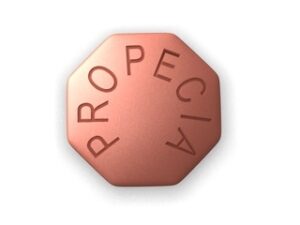
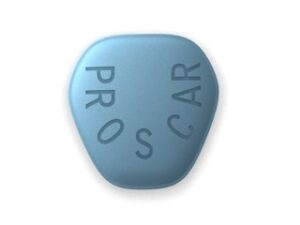
Propecia (Finasteride): Comprehensive Patient Information for Australia
Basic Product Information
| International Non-Proprietary Name (INN): | Finasteride |
| Australia Brand Names: | Propecia, Finastat, Finara, Finacapil, Apo-Finasteride, Finpro |
| Anatomical Therapeutic Chemical (ATC) code: | D11AX10 |
| Available Forms & Strengths: | Tablet (Oral) – 1 mg (for androgenetic alopecia), 5 mg (for benign prostatic hyperplasia, BPH) |
| Selected Manufacturers: | Merck Sharp & Dohme (Australia), Apotex Pty Ltd, Sandoz Pty Ltd, Arrow Pharmaceuticals |
| Prescription Status: | Prescription only (S4 medicine) |
Mechanism of Action
For Patients: Propecia (finasteride) is used mainly to treat male pattern hair loss (androgenetic alopecia) and, at higher doses, benign prostatic hyperplasia (BPH). It works by blocking the action of an enzyme called 5-alpha reductase. This enzyme converts testosterone into dihydrotestosterone (DHT), a hormone linked to hair loss and prostate growth in men. By lowering DHT levels, finasteride can slow or stop hair loss and improve prostate symptoms.
For Specialists: Finasteride is a competitive, specific inhibitor of Type II 5α-reductase, which converts testosterone into dihydrotestosterone (DHT) in hair follicles and the prostate. DHT is a critical androgen contributing to follicular miniaturisation in androgenetic alopecia and prostatic tissue hyperplasia. The reduction of serum and scalp DHT achieves the therapeutic effects seen in both approved and off-label indications.
Pharmacokinetics
- Absorption: Finasteride is well absorbed orally with peak plasma concentrations reached within 1 to 2 hours.
- Bioavailability: Approximately 80% after oral administration.
- Metabolism: Metabolised primarily in the liver via CYP3A4 enzyme system; metabolites are inactive.
- Elimination:
- Half-life: 6–8 hours in younger men; slightly longer in elderly.
- Excretion: Through urine and faeces.
- Duration of Action: A single dose reduces DHT by up to 70% within 24 hours; therapeutic effect persists with daily use.
Use in Everyday Life & Best Practices (UK Context)
Common Uses:
- Male pattern hair loss: 1 mg tablet once daily
- Benign prostatic hyperplasia (BPH): 5 mg tablet once daily
Tablets should be taken whole with water. Consisting use at the same time every day helps maintain consistent drug levels. Hair restoration benefits usually become noticeable after 3–6 months of continuous treatment, with optimal results at 12 months. Stopping treatment will usually result in reversion to baseline hair loss within 9–12 months.
Dosing: Morning vs Evening
- Morning: Helps establish a routine and improves adherence.
- Evening: Equally effective. No significant difference in efficacy or risk of side effects between morning or evening dosing.
- Tip: Choose a time (morning or evening) that best fits your daily routine to maximise consistency and benefit.
Taking with Food or on an Empty Stomach
- Finasteride can be taken with or without food.
- Food does not significantly alter the absorption or effect of the medication.
- For Australian dietary habits – you may take your medication with any typical meal, including breakfast, lunch, or dinner, or simply with a glass of water.
Interaction Warnings
Finasteride is generally well-tolerated, but consider the following interactions:
| Substance/Class | Interaction | Clinical Advice |
|---|---|---|
| Alcohol | No direct drug interaction, but sexual side effects may be additive with excessive use | Moderation is advised |
| Cytochrome P450 Inhibitors (e.g., ketoconazole, erythromycin) | May theoretically increase finasteride levels | Generally not clinically significant; monitor if high doses are used |
| Other 5α-reductase Inhibitors (e.g., dutasteride) | Similar action; combining offers no added benefit | Avoid combination unless on specialist advice |
| Warfarin, Theophylline | No significant interaction | Monitor as per normal with any medicine changes |
| Grapefruit Juice | Minimal effect on metabolism | Usual dietary intake is fine |
Indications
| Indication | Approved in Australia | Notes |
|---|---|---|
| Androgenetic alopecia (male pattern baldness) | Yes | 1 mg tablets once daily |
| Benign prostatic hyperplasia (BPH) | Yes | 5 mg tablets once daily; symptomatic management and reduction in risk of urinary retention/surgery |
| Prostate cancer prevention | No | Not recommended due to uncertain benefits |
| Female hair loss (off-label; post-menopausal only) | Off-label | Limited evidence, not routinely used |
| Other endocrine conditions | No | Specialist advice only |
Dosing According to Clinical Indication
| Patient Group | Indication | Typical Dose | Notes |
|---|---|---|---|
| Adult men | Androgenetic alopecia | 1 mg orally once daily | Up to 12 months to assess efficacy |
| Adult men | BPH | 5 mg orally once daily | Regular follow-up advised |
| Elderly men | BPH/alopecia | Same as adults | No dose adjustment needed; longer elimination half-life may enhance effect |
| Children/adolescents | Any use | Not recommended | Safety and efficacy not established; avoid in minors |
Safety Profile and Side Effects
Finasteride is generally safe and well-tolerated. Most side effects are mild and reversible upon discontinuation.
| Frequency | Side Effect | Advice |
|---|---|---|
| Common (1–10%) | Reduced libido, erectile dysfunction, decreased ejaculate volume | Discuss with doctor if persistent or distressing |
| Uncommon (0.1–1%) | Breast tenderness/enlargement, rash | Inform your doctor; monitor if breast tissue changes develop |
| Rare (<0.1%) | Allergic reactions, testicular pain, depression or mood changes | Seek medical advice if symptoms are severe or worsen |
| Warning | Pregnancy/Birth defects (Teratogenic) | Women who are or may be pregnant should NOT handle crushed or broken tablets |
Prostate cancer: Finasteride may lower PSA (Prostate Specific Antigen) levels; this should be discussed with your doctor if you are undergoing prostate screening.
Guidelines for Proper Use (Australia Advice)
- Store in a cool, dry place, below 25°C, away from children.
- Do not take more than the prescribed dose.
- If you miss a dose, take the next scheduled dose as soon as you remember; never double-up.
- Tablets should not be split or crushed (especially for households with women of childbearing potential).
- Attend regular doctor appointments to monitor effectiveness and screen for prostate changes.
- The PBS (Pharmaceutical Benefits Scheme) reimburses finasteride for BPH but generally not for male pattern hair loss in most states; check with your prescriber or pharmacist.
- Report unusual side effects or symptoms promptly to your healthcare provider.
Alternative Treatment Options
- Dutasteride (Avodart): Oral 5α-reductase inhibitor; not PBS listed for hair loss; may have more side effects (benefit: some patients respond better)
- Minoxidil (Regaine): Topical solution or foam for hair loss; PBS not listed, available over-the-counter; fewer systemic side effects, requires continued use
- Hair transplantation: Surgical, private clinics; permanent results, higher cost, procedural risks
- Platelet-rich plasma (PRP): Experimental, private clinics, variable results
- Nutritional supplements: Limited evidence; best used only to address documented deficiencies
Legal, Registration and Reimbursement Status in Australia
- Registered prescription medicine by the Therapeutic Goods Administration (TGA)
- Schedule 4 (S4) – prescription-only drug
- Listed by PBS for BPH only – subject to eligibility criteria
- Not generally reimbursed by NFZ for hair loss – out-of-pocket cost for most patients
- Medical prescription required for supply at all community and online pharmacies
- Pharmacists and doctors are legally required to provide appropriate counselling
Latest Research and Clinical Guidance (2022–2025)
- Finasteride remains the gold standard for androgenetic alopecia in men, with review articles and meta-analyses confirming consistent benefit over placebo (see: Trüeb, R.M., et al. (2023). "Update on finasteride efficacy and safety." Australas J Dermatol. 64(2):173-181).
- Long-term data (up to 10 years) indicate a stable safety profile, with side effects generally reversible on discontinuation. No new major risks identified (Moon et al., 2024, British Journal of Dermatology).
- 2024 RACGP guidance highlights the importance of patient education about side effects, adherence and realistic expectations.
- Finasteride is not recommended for use in women of childbearing age due to teratogenic risks.
- Expert consensus (Australasian Hair and Wool Research Society, 2022) supports combination with topical minoxidil for improved hair regrowth in some cases.
Availability and Delivery
- Most common pack sizes: 28, 30, and 90 tablets
- Indicative price (2024): $35–$70 per month (private prescription for hair loss, varies between pharmacies)
| City | Estimated Delivery (Online Ordering) |
|---|---|
| Sydney | 1–2 business days |
| Melbourne | 1–2 business days |
| Brisbane | 2–3 business days |
| Adelaide | 2–3 business days |
| Perth | 3–5 business days |
| Hobart | 2–4 business days |
| Darwin | 3–6 business days |
Frequently Asked Questions (FAQ)
- How long does it take for Propecia to work?
Results are usually noticeable after 3 to 6 months of consistent daily use. For full effect, treatment may need to continue for at least 12 months. - Can women take finasteride?
Finasteride is not recommended for use in women, especially those of childbearing age, due to the risk of birth defects. Post-menopausal women may sometimes be prescribed finasteride off-label, but this is only under specialist care. - What should I do if I miss a dose?
Take your next dose as usual the next day. Do not double-up to catch up missed tablets. - Will I lose my hair again if I stop using Propecia?
Yes, discontinuing treatment typically results in a gradual return to pre-treatment hair loss levels within 9–12 months. - Does Propecia affect fertility?
In most cases, no. Finasteride may reduce semen volume, but there is no strong evidence it affects male fertility for the majority of users.
For individual advice or to discuss your personal medical history, talk to your local community pharmacist or your GP. For further reading visit the TGA or NPS MedicineWise.