Phenergan (Promethazine) – Comprehensive Medicine Guide for Australian Patients
Basic Product Information
| International Non-proprietary Name (INN) | Promethazine hydrochloride |
| Australian Brand Names | Phenergan®, Allersoothe |
| ATC Code | R06AD02 (antihistamines for systemic use) |
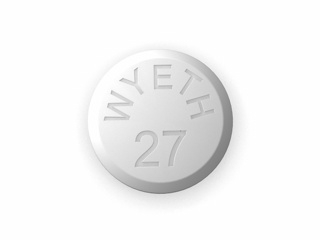
| Available Forms & Strengths | Tablets: 10 mg, 25 mg; Oral solution: 5 mg/5 mL; Suppositories (limited availability); Injectable (hospital use) |
| Australian Manufacturers/Distributors | Sanofi-Aventis, various generic providers |
| Prescription Status (Australia) | S3 (Pharmacist Only) for tablets ≤25 mg/10 tablets; S4 (Prescription Only) for higher strengths, formulations, or extended use |
Mechanism of Action
For Patients: Phenergan contains promethazine hydrochloride, a medicine known as an ‘antihistamine’. It works mainly by blocking the action of histamine—a natural substance in your body that causes allergy symptoms like sneezing, watery eyes, and itching. Additionally, promethazine calms the brain (has sedative effects), which can help you sleep and reduce nausea.
For Specialists: Promethazine is a first-generation H1 receptor antagonist with strong anticholinergic and moderate antidopaminergic properties. It can cross the blood-brain barrier, resulting in central nervous system depression, antiemetic, sedative, and antivertigo effects.
Pharmacokinetics
- Absorption: Rapidly and well-absorbed from the gastrointestinal tract; peak plasma concentrations reached in 2–3 hours.
- Distribution: Widely distributed throughout the body, including the brain; highly protein bound (75–80%).
- Metabolism: Extensively hepatic through the cytochrome P450 system (CYP2D6, CYP2B6, CYP2C19).
- Elimination: Primarily via the kidneys (urine) as metabolites; minor biliary/faecal excretion.
- Duration of Action: Sedative and antihistamine effects last 4–12 hours (occasionally up to 24 hours in some patients).
- Half-life: Approximately 10–19 hours.
Use in Everyday Life and Best Practices (English Context)
Phenergan is popular in Australia for treating allergies (such as hay fever and urticaria), helping with sleeplessness (short-term insomnia), reducing pre-travel nausea and motion sickness, and relieving symptoms of the common cold (e.g., runny nose). It is often used in the following situations:
- Allergy relief: For seasonal allergies, hives, and skin reactions.
- Prevention/treatment of travel/motion sickness: Especially on longer car or train journeys.
- Insomnia: Used temporarily to help sleep, particularly when caused by illness or temporary stress.
- Preoperative sedation: Occasionally used before surgery (hospital setting only).
Always consult your pharmacist or GP before starting Phenergan, especially if you are on other medications or have ongoing health conditions.
Dosing in the Morning vs Evening – Tips on Regularity
Due to promethazine’s sedative ‘drowsy antihistamine’ effects, most patients should take it in the evening or at bedtime. This can help with both allergy relief and sleep problems while minimising next-day drowsiness. Morning dosing is generally only advised for motion sickness (prior to travel) and in selected cases of severe daytime allergies. When taken in the morning:
- Be aware of possible sleepiness; avoid driving or operating machinery.
- Consistency helps—try to take at the same time each day.
- Avoid alcohol, which can worsen drowsiness.
Taking With Food or on an Empty Stomach (Effect of Meals, Australian Dietary Habits)
Phenergan may be taken with or without food. Taking it with food, milk, or a light snack may reduce the risk of stomach upset, especially in young children or sensitive adults. There are no significant dietary interactions, so you can eat a usual Australian diet while taking promethazine. Avoid heavy meals immediately before bedtime if using Phenergan as a sleep aid, as this may delay the onset of sleep.
Interaction Warnings
| Interactant | Advice |
|---|---|
| Alcohol | Avoid—promethazine increases alcohol’s sedative effects; serious drowsiness or slowed breathing may result. |
| Other sedative medicines | Use caution—includes sleeping tablets (zolpidem, temazepam), strong painkillers (codeine, oxycodone), antipsychotics, and some antidepressants. |
| Monoamine Oxidase Inhibitors (MAOIs, e.g., phenelzine, tranylcypromine) | Do not use with or within 14 days—risk of dangerous interactions. |
| Anticholinergic drugs | May increase side effects like dry mouth, constipation, blurred vision—consult your doctor. |
| Other antihistamines | Do not combine—risk of excessive drowsiness and side effects. |
| Epilepsy medicines | Check with your doctor—doses may need adjustment. |
| Foods | No major food interactions; standard English diet safe. |
Indications (Official and Off-label Uses)
| Indication | Approved in Australia | Common Off-label Use |
|---|---|---|
| Allergic conditions (e.g. rhinitis, urticaria, conjunctivitis) | Yes | No |
| Motion sickness (travel sickness) | Yes | No |
| Short-term insomnia | Yes | Yes (if associated with acute illness or stress) |
| Preoperative and postoperative sedation | Yes (hospital use) | No |
| Nausea and vomiting | Yes* | Occasionally for morning sickness (only on medical advice) |
*Not a first-line antiemetic in Australia—used when other agents unsuitable.
Dosing According to Clinical Indication
| Indication | Adults | Children (2–12 years) | Elderly (65+ years) |
|---|---|---|---|
| Allergy/hay fever | 10–25 mg at night or divided (max 75 mg/day) | 5–10 mg at night (max 25 mg/day; under 2 years: contraindicated) | Start at lowest adult dose; watch for confusion, falls |
| Insomnia (short-term) | 25–50 mg at bedtime | 5–10 mg at night (doctor’s direction only) | Start at 10 mg; increase only if well-tolerated |
| Motion sickness | 25 mg, 30–60 mins before travel; repeat every 6–8 hours if needed | 5–10 mg, 30 mins before travel; doctor's guidance essential | Lowest possible dose; increased risk of side effects |
| Nausea (hospital use) | 12.5–25 mg 8-hourly | 5–10 mg as directed | Start low, observe for sedation |
Safety Profile & Side Effects
- Very Common/Expected: Drowsiness, sedation, dry mouth, dizziness, blurred vision, constipation.
- Common: Headache, confusion (especially elderly), mild hypotension.
- Uncommon/Rare: Photosensitivity skin reactions, severe allergic reactions, abnormal movements (extrapyramidal symptoms), hallucinations (mostly in children/elderly), blood disorders, irregular heart rhythm.
- Warnings: Not to be used in children under 2 years (risk of fatal respiratory depression), caution in elderly (greater sedation, risk of falls/confusion), avoid alcohol, do not drive or use machinery if drowsy.
- Overdose Alert: Seek urgent medical attention if overdose is suspected—symptoms include severe drowsiness, seizures, very fast or irregular heartbeat, shallow breathing.
| Side Effect | How Common? | What to Do? |
|---|---|---|
| Drowsiness/fatigue | Very common | Avoid driving/machinery; take at bedtime |
| Dry mouth, headache | Common | Drink water, maintain oral hygiene |
| Constipation | Common | Increase fibre, fluids (water, tea); ask pharmacist if persists |
| Confusion/hallucinations (mainly elderly or children) | Rare | Stop medicine, seek urgent medical attention |
| Rash, severe allergy | Very rare | Stop medicine, call 000 or visit ED |
Guidelines for Proper Use (Australian Context)
- Read the Consumer Medicine Information (CMI) leaflet in your pack.
- Store below 30℃, out of direct sunlight, away from children.
- Take for the shortest time possible—do not use for sleep longer than 7–10 nights without consulting your doctor.
- Never give to children under 2 years; only use in children 2–5 years under direct medical advice.
- Report any confusion, unsteadiness, or rash to your pharmacist/GP immediately.
- If you are pregnant, breastfeeding, or planning to drive, consult your GP or pharmacist for advice.
- Discard any out-of-date or excess medicine through a Return Unwanted Medicines bin (local pharmacy).
Alternative Treatment Options
- Non-sedating antihistamines (e.g. loratadine, cetirizine, fexofenadine):
Pros: Less drowsy, suitable for day use, available over the counter.
Cons: Less useful for insomnia, not as effective in severe itching. - Other sedating antihistamines (e.g. doxylamine):
Pros: Similar sleep-promoting benefits.
Cons: Similar side effects (drowsiness, anticholinergic effects). - Melatonin (Rx in Australia):
Pros: Low side effect risk for sleep; for people 55+ with sleep onset difficulty.
Cons: Less effective for allergies; prescription required. - Prescription antiemetics (e.g. ondansetron—not for allergies):
Pros: Suitable for post-surgical or chemotherapy nausea.
Cons: Not for allergy, sleep issues; prescription required.
All the above alternatives may be subsidised/reimbursed under the PBS (Pharmaceutical Benefits Scheme) if meeting relevant criteria.
Legal, Registration, and Reimbursement Status in Australia
- Regulatory Authority: Registered, scheduled, and monitored by the Therapeutic Goods Administration (TGA).
- Legal Class: S3 (Pharmacist Only) at low doses/pack sizes; S4 (Prescription Medicine) for higher/frequent use.
- Reimbursement: Not routinely reimbursed by the Pharmaceutical Benefits Scheme (PBS), except in hospital/specialist settings for specific indications.
- Supply requirements: Sale/supply limited to pharmacist involvement; combination with other sedatives strictly controlled by law.
Latest Research and Clinical Guidance (2022–2025)
- A 2023 joint consensus from the Australasian Society of Clinical Immunology and Allergy (ASCIA) and the Royal Australian College of General Practitioners (RACGP) confirms non-sedating antihistamines are first line for daytime allergies in adults and children, with use of promethazine reserved for severe night-time symptoms or specific use cases (ASCIA 2023).
- The TGA and NPS MedicineWise recommend against use in children under 2 due to rare but severe breathing complications, and emphasise cautious use in children and elderly (NPS 2024).
- Recent reviews (2022-2024) highlight the risk of next-day sedation and falls in older Australians with long-term use of sedating antihistamines, underlining the importance of lowest effective dose and duration.
- Emerging evidence suggests promethazine may have additional off-label uses under specialist management (e.g. palliative care), however, these remain outside routine indications except under specific medical advice.
Availability and Delivery in Australia
| Form/Pack Size | Indicative Price (AUD, 2024) | Delivery Estimate (Business Days) |
|---|---|---|
| Tablets 10 mg x 50 | $14–$20 | Sydney 1–2, Melbourne 1–2, Brisbane 2–3, Perth 3–4, Hobart 2–4, Darwin 3–5 |
| Tablets 25 mg x 50 | $15–$21 | Sydney 1–2, Melbourne 1–2, Brisbane 2–3, Perth 3–4, Hobart 2–4, Darwin 3–5 |
| Syrup 100 mL (5 mg/5 mL) | $12–$18 | Sydney 1–2, Melbourne 1–2, Brisbane 2–3, Perth 3–4, Hobart 2–4, Darwin 3–5 |
Note: Prices and delivery times are indicative. Some products/forms may require a prescription or special request.
Frequently Asked Questions (FAQ)
- Can I drive after taking Phenergan?
No—promethazine causes drowsiness and slows reaction times. Do not drive, operate machinery, or perform dangerous tasks until you know how it affects you. - Is Phenergan safe during pregnancy and breastfeeding?
Talk to your doctor or obstetrician. Promethazine should only be used if clearly needed and under strict supervision, especially in the first trimester or if breastfeeding. - How long can I take Phenergan for sleep?
Short term only—no more than 7–10 consecutive nights unless your GP advises otherwise. If you still have sleeping problems, see your doctor. - What should I do if I miss a dose?
Take it as soon as you remember, unless it’s almost time for the next dose. Never double up doses. If unsure, ask your pharmacist. - Can I take Phenergan with my regular allergy tablets?
Usually not—double dosing may be harmful. Ask your pharmacist or doctor about safe combinations, especially with other antihistamines or sedatives.
For more advice, ask your local pharmacist, GP, or contact Healthdirect Australia on 1800 022 222.