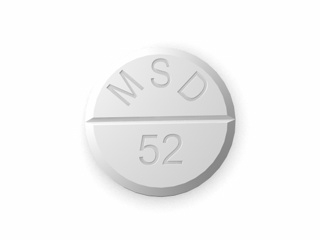
Periactin (Cyproheptadine) – Patient Information (Australia)
Basic Product Information
| International Nonproprietary Name (INN) | Cyproheptadine hydrochloride |
|---|---|
| Australia Brand Names | Periactin®, Tabramin® (varies by supply chain availability) |
| ATC Code | R06AX02 |
| Available Forms & Strengths | Tablets: 4 mg (most common); Oral solution may be available via compounding pharmacies |
| Manufacturers | iNova Pharmaceuticals (primary distributor in Australia) |
| Prescription Status | Prescription Only Medicine (Schedule 4, S4) |
Mechanism of Action
For Patients: Periactin (cyproheptadine) is an antihistamine that blocks the effects of histamine, a natural substance in your body that is a key factor in allergic reactions such as hayfever, hives, and itchy skin. Periactin also helps increase appetite and can decrease abnormal serotonin activity in the brain.
For Healthcare Professionals: Cyproheptadine is a first-generation antihistamine (piperidine derivative) with additional antiserotonergic and anticholinergic properties. It competitively antagonises H1 histamine and 5-HT2A serotonin receptors in the central and peripheral nervous system.
Pharmacokinetics
- Absorption: Well absorbed orally; peak plasma concentration within 2–3 hours.
- Metabolism: Extensively hepatic, primarily through demethylation and glucuronidation.
- Elimination: Metabolites largely excreted via urine (40–62%) and faeces (1–20%) within 4 days.
- Duration of Action: Antihistaminic effects last for approximately 4–6 hours; sedative effect may persist longer.
Use in Everyday Life & Best Practices
Typical uses of Periactin in Australia include relief of allergy symptoms such as sneezing, runny nose, watery eyes, itching, skin rashes, and to increase appetite in medically indicated cases (for example, after illness or in diagnosed appetite loss). In children, it may sometimes be recommended by specialist paediatricians for migraine or certain allergic reactions.
- Standard Adult Dose: 4 mg two to three times daily. Maximum: 32 mg per day, divided into doses.
- Children & Adolescents: Dose adjusted by age and weight — always follow paediatrician’s instructions.
- Take tablets with water. Can be taken with or without food, but see dosing guidelines below.
- If using to stimulate appetite, best effects are seen with consistent, daily dosing.
Dosing in the Morning vs. Evening
- Morning Use: May improve allergic symptoms for daytime relief, but sedation/drowsiness is possible — caution with driving/work.
- Evening Use: May be preferred for patients who find Periactin causes sleepiness; helps with night-time itching and can support sleep in allergy sufferers.
- Tips: If drowsiness is problematic, take last or highest dose in the evening. Maintain a routine dosing schedule for best results.
Taking With Food or on an Empty Stomach
Periactin can be taken with or without food. In general, Australian dietary patterns (e.g., cereal/fruit breakfast, main meal in the evening) do not significantly alter effectiveness, but food may help reduce mild stomach upset in sensitive patients. Avoid high-alcohol or high-fat meals when first starting this medicine.
Interaction Warnings
Always inform your doctor or pharmacist about other medicines or supplements. Key interactions include:
| Item | Interaction/Advice |
|---|---|
| Alcohol | Increases risk of drowsiness; best avoided |
| Sedatives (e.g., benzodiazepines, antipsychotics) | Enhanced CNS depressant effects — avoid or monitor closely |
| MAO Inhibitors (e.g., phenelzine) | Contraindicated – risk of severe reactions |
| Other Antihistamines | Increased risk of adverse effects; do not combine without doctor’s advice |
| Anticholinergic Medications (e.g., some antidepressants) | Increased anticholinergic burden; caution |
| Grapefruit, Citrus, Certain Herbs | No known major interactions, but advise moderation |
Indications
| Official (TGA-approved) | Off-label (as guided by specialist) |
|---|---|
|
|
Dosing According to Clinical Indication
| Indication | Adults | Children (7–14 yrs) | Children (2–6 yrs) | Elderly |
|---|---|---|---|---|
| Allergic reactions | 4 mg 2–3 times daily; max 32 mg/day | 4 mg 2–3 times daily; max 16 mg/day | 2 mg 2–3 times daily; max 12 mg/day | Start at lower doses; titrate slowly; monitor sedation |
| Appetite stimulation | 2–4 mg up to 3 times daily | As per specialist advice | As per specialist advice | As above; consider increased sensitivity |
| Migraine prevention (paediatric) | Not routinely recommended | As per paediatric neurologist | As per paediatric neurologist | Not applicable |
Safety Profile & Side Effects
- Very Common: Drowsiness, dry mouth, mild sedation, dizziness.
- Common: Increased appetite/weight gain, nausea, headache, mild constipation.
- Rare but Serious: Confusion (especially in elderly), hallucinations (mostly children), difficulty urinating, blurred vision, fast heart rate, allergic reactions (rash, swelling).
- Warnings: Use caution if you have: glaucoma, enlarged prostate, peptic ulcers, severe asthma, or other chronic health conditions. Seek immediate advice if you have eye pain, severe confusion, or allergic symptoms.
| Side Effect | Frequency | Advice |
|---|---|---|
| Drowsiness/Sedation | Very common | Avoid driving, alcohol; take at night if possible |
| Dry mouth | Common | Sugar-free gum or drinks may help |
| Appetite change/weight gain | Common/Expected in some indications | Monitor diet/lifestyle; discuss if unintentional |
| Confusion/hallucinations | Rare | Seek urgent medical review |
| Allergy (rash, swelling) | Very rare | Stop immediately, seek emergency help |
Guidelines for Proper Use (Australia Context)
- Only use Periactin under a doctor’s supervision; do not share with others.
- Store tablets at room temperature below 30°C; away from moisture and heat.
- Keep out of reach of children and pets.
- If you miss a dose, take it as soon as remembered, unless nearly time for next dose—do not double up.
- Do not drive, cycle, or operate heavy machinery until the effect on alertness is known.
- Always check with a pharmacist before buying OTC products (including hayfever tablets, sleeping aids, and some painkillers) while taking Periactin, as interactions with sedating agents are possible.
- For ongoing allergy or appetite symptoms, regular follow-up with your GP or specialist is recommended, especially in children.
Alternative Treatment Options
- Other Antihistamines: Cetirizine (Zyrtec), loratadine (Claratyne), fexofenadine (Telfast) – less sedating, commonly used for ongoing hayfever in Australia.
- Appetite Stimulants: Megestrol acetate (specialist only), multivitamin supplements, dietary review – for complex/chronic conditions, always involve a specialist.
- Non-Drug Allergy Supports: Saline nasal rinses, allergen avoidance, HEPA air filtration, emollient creams for skin.
Pros: Periactin is effective for both allergies and (when appropriate) appetite issues, can be useful when non-sedating antihistamines fail, and allows once or twice-daily dosing.
Cons: Can cause marked drowsiness, not suitable for those needing to drive or study, and appetite stimulation is not always desired.
Legal, Registration & Reimbursement Status in Australia
- Periactin (cyproheptadine) is registered with the TGA (Therapeutic Goods Administration) as a Schedule 4 Prescription Only Medicine.
- It is not routinely reimbursed via the Pharmaceutical Benefits Scheme (PBS) for most indications — check with pharmacist for current PBS and private scripts pricing.
- Dispensed only by registered community pharmacies or hospital outpatient clinics on valid prescription.
- Always ensure your medicine is supplied by licensed Australian pharmacies and retain all packaging/information sheets.
Latest Research & Clinical Guidance (2022–2025)
According to recent Australian and international studies (e.g., Nadel S et al., 2024, Australian Prescriber; Smith R et al., 2023, BMJ Open), first-generation antihistamines such as cyproheptadine retain a niche role for certain allergic disorders and paediatric appetite disorders, but second-generation antihistamines are preferred for those requiring minimal sedation. Periactin is reserved for specialist-directed management in migraine prevention and paediatric cachexia. Current TGA safety advice (2023) highlights the importance of cautious use in young children and elderly patients, and the preference for non-sedating alternatives whenever possible.
Availability & Delivery
Most Australian pharmacies stock Periactin or can order within 1–2 business days if supplied by the wholesaler.
| Pack Size | Indicative Price (AUD) | Delivery Time (Standard Metro) | Major Cities |
|---|---|---|---|
| 50 tablets (4 mg) | $20–$28 (private script) | 1–3 working days | Sydney, Melbourne, Brisbane, Perth, Adelaide |
| 100 tablets (4 mg) | $35–$50 (private script, if available) | 2–4 working days | All capital cities & most regional areas |
FAQ – Periactin (Cyproheptadine) in Australia
- Q: Will Periactin make me drowsy?
A: Drowsiness is very common, especially when first starting or increasing the dose. Avoid driving or operating machinery until you know how it affects you. If drowsiness is a problem, ask your doctor about taking it in the evening. - Q: Can I take Periactin with my hayfever tablets?
A: Do not combine Periactin with other antihistamines without discussing with your doctor or pharmacist, as this may increase risk of side effects. - Q: Is Periactin addictive?
A: No, Periactin is not habit-forming or addictive. However, use it only as directed by your doctor. - Q: Can children use Periactin safely?
A: Yes, when prescribed by a doctor and with proper dosing. It is important to follow the specific advice of your healthcare provider, particularly as dosing is based on age and weight. - Q: What should I do if I miss a dose?
A: Take the missed dose as soon as you remember, unless it is nearly time for your next dose. Do not double dose to make up for the missed one.