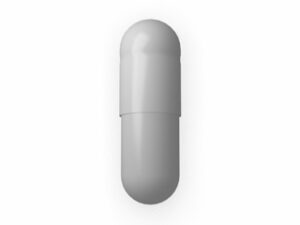
Zyprexa (Olanzapine) – Patient Information Guide for Australia
Basic Product Information
| International Non-proprietary Name (INN) | Olanzapine |
|---|---|
| Australian Brand Names | Zyprexa, Zyprexa Zydis, APO-Olanzapine, Olanzac, Sandoz Olanzapine, Olanzapine GH |
| ATC Code | N05AH03 |
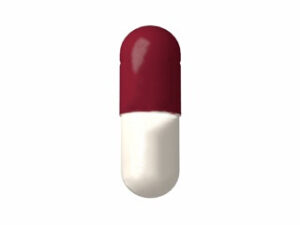
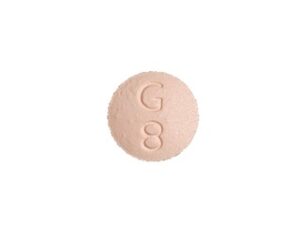
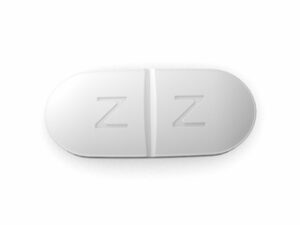
| Available Forms & Strengths |
|
| Manufacturers |
|
| Prescription Status | Schedule 4 (Prescription Only Medicine) – cannot be purchased without a valid Australian prescription |
Mechanism of Action
For Patients: Olanzapine belongs to a group of medicines called 'atypical antipsychotics.' It works by helping to correct imbalances in certain natural chemicals in your brain (neurotransmitters, such as dopamine and serotonin) that can affect mood, thoughts, and behaviour.
For Specialists: Olanzapine acts primarily as a dopamine D2 and serotonin 5-HT2A receptor antagonist. It also has moderate affinity for D1, D4, 5-HT2C, 5-HT3, 5-HT6, histamine H1, muscarinic M1-5, and α1-adrenergic receptors. Its broad receptor antagonism profile underlies both its therapeutic effects and its adverse effect liability.
Pharmacokinetics
- Absorption: Well absorbed from the gastrointestinal tract (bioavailability ~60-80%). Peak plasma levels reached within 5 to 8 hours after oral administration.
- Metabolism: Extensively metabolised in the liver, mainly via cytochrome P450 isoenzymes (CYP1A2 and to a lesser extent CYP2D6).
- Elimination: Excreted via urine (renal) and faeces (biliary) as inactive metabolites.
- Duration of Action: Plasma half-life typically ranges from 21 to 54 hours (may be shorter in smokers, longer in elderly/females).
Use in Everyday Life and Best Practices
Olanzapine is prescribed to help manage symptoms of schizophrenia and bipolar disorder. Some patients may be prescribed olanzapine for other reasons, such as treatment-resistant depression or agitation associated with dementia (off-label use, see below).
- Typical Doses:
- Schizophrenia: 5–20 mg once daily (most patients respond to 10 mg daily)
- Bipolar Mania: 10–20 mg once daily (can adjust based on response)
- Other uses: Doses vary; always follow your doctor's instructions.
- How to Take: Take your olanzapine tablet with a full glass of water at roughly the same time each day.
- Orally Disintegrating Tablets ('Zydis'): Place the tablet on your tongue, where it will dissolve; swallow with or without water.
- Do not stop taking olanzapine suddenly without speaking to your doctor, even if you feel better.
Dosing in the Morning vs Evening
- Advantages of Evening Dosing: Olanzapine can cause drowsiness (sedation), especially when first starting. Taking it in the evening can help reduce daytime sleepiness.
- Morning Dosing: May be suitable for patients who do not experience drowsiness or who find evening doses interfere with sleep due to vivid dreams/restlessness.
- Tips: Aim for consistent dosing (same time each day); your pharmacist or doctor can help tailor the timing to your lifestyle and side effect profile.
Taking with Food or on an Empty Stomach
- Olanzapine can be taken with or without food. Food does not significantly impact absorption.
- If you have a sensitive stomach, taking olanzapine with a light meal (such as breakfast or evening snack) may be more comfortable.
- No major restrictions regarding typical English or Australian foods. Healthy eating and regular meals are encouraged, given the risk of weight gain. Consult your pharmacist or GP about diet and exercise.
Interaction Warnings
| Type of Interaction | Details | Advice |
|---|---|---|
| Alcohol | May increase drowsiness, impaired judgment, increase risk of overdose or falls. | Avoid or limit alcohol use. |
| Other sedatives (benzodiazepines, sleeping pills) | Increases risk of excessive sedation, breathing problems. | Consult your doctor before using these together. |
| Antihypertensives | Possible additive effects on lowering blood pressure. | Monitor for dizziness, stand up slowly. |
| CYP1A2 inducers (e.g. smoking, carbamazepine, omeprazole) | Can reduce olanzapine effectiveness by increasing clearance. | Inform your doctor if you start or stop smoking. |
| Other antipsychotics/antidepressants | May increase side effect burden or interact pharmacodynamically. | Medication review recommended. |
| Grapefruit juice | No major effect compared to some other psychotropics. | No specific restriction. |
Indications
| Official (TGA-approved) Indications | Off-label/Other Accepted Uses |
|---|---|
|
|
Dosing According to Clinical Indication
| Indication | Usual Adult Dose | Pediatric (<18 years) | Elderly |
|---|---|---|---|
| Schizophrenia | 5-10 mg once daily, may increase up to 20 mg/d | Generally not recommended; specialist/paediatric psychiatrist only | Start low (e.g. 2.5-5 mg), adjust carefully due to sensitivity |
| Bipolar Mania | 10-15 mg once daily, up to 20 mg/d | Limited use; only under specialist advice | Consider starting at 5 mg/d; monitor closely |
| Treatment-resistant depression (off-label) | Usually 5-10 mg/d as augmentation | Not established | Start at lower doses; assess risks |
| Dementia/agitation (off-label) | 2.5-5 mg/d (short term, lowest effective dose) | Not recommended | Lowest dose for shortest duration, increased CV/stroke risk |
Safety Profile & Side Effects
- Common side effects (>1/10):
- Drowsiness, sedation, tiredness
- Increased appetite, weight gain
- Dry mouth
- Dizziness, orthostatic hypotension (feeling faint when standing quickly)
- Constipation
- Less common side effects (<1/10):
- Increased blood sugar (risk of diabetes)
- Raised cholesterol/triglycerides
- Tremor or restlessness
- Rare/Serious Side Effects:
- Severe allergic reactions (swelling, rash, difficulty breathing – seek emergency care)
- Seizures or severe confusion
- Symptoms of neuroleptic malignant syndrome (high fever, muscle stiffness, confusion)
- Symptoms of high blood sugar or new/unusual thirst, frequent urination
- Sudden weakness or numbness (possible stroke; higher risk in elderly with dementia)
Always consult your doctor or pharmacist if you experience concerning symptoms.
Guidelines for Proper Use (Advice from Your Pharmacist/Clinic)
- Take your medicine exactly as prescribed; do not change your dose without talking to your doctor.
- If you miss a dose, take it as soon as you remember. If it’s nearly time for your next dose, skip the missed dose and resume as normal. Do not double up.
- If you have diabetes or are at risk, monitor your blood sugar more frequently.
- Maintain regular exercise and a healthy, balanced diet to counteract possible weight gain.
- Inform your GP, pharmacist, or specialist about all medicines and supplements you are taking (including over-the-counter and herbal products).
- Let your doctor know if you are planning pregnancy, become pregnant or are breastfeeding.
- Store olanzapine in a cool, dry place below 30°C, away from children.
- Get regular check-ups (weight, blood sugar, cholesterol, and waist measurement) as advised by your healthcare provider.
Alternative Treatment Options
- Other atypical antipsychotics: Risperidone, quetiapine, aripiprazole, lurasidone, paliperidone – all PBS-reimbursed. These may offer lower risk of weight gain or sedation, but have their own side effect profiles (e.g., risperidone may increase prolactin, aripiprazole is less sedating).
- Clozapine: For severe, treatment-resistant schizophrenia, requires close blood monitoring.
- Typical (first-generation) antipsychotics: e.g., haloperidol – mainly for acute control or where others are unsuitable, higher risk of movement disorders.
- Psychological therapies and lifestyle interventions: Always part of comprehensive care, especially in mood disorders.
Legal, Registration, and Reimbursement Status in Australia
- Registered in Australia by the Therapeutic Goods Administration (TGA) for treatment of schizophrenia and mania.
- Prescription required – Schedule 4 under the Poisons Standard (S4).
- Available on the Pharmaceutical Benefits Scheme (PBS) for registered indications – reduces the cost for eligible patients.
- Generic brands available, helping reduce patient co-payments.
- Private prescriptions: prices may be higher than PBS-subsidised scripts.
Latest Research and Clinical Guidance (2022–2025)
- Australian clinical practice guidelines (Royal Australian and New Zealand College of Psychiatrists, 2023) continue to recommend olanzapine for acute schizophrenia and bipolar mania, mindful of metabolic risks.
- Recent studies confirm strong efficacy but stress the need for physical monitoring (weight, glucose, lipids) due to high rates of metabolic side effects.
- International evidence (The Lancet Psychiatry, 2023) suggests olanzapine remains a first-line choice for acute psychotic episodes, with consideration of patient comorbidities.
- Australian and international regulators now strongly discourage off-label use in elderly patients with dementia due to increased risk of stroke and death.
- Research into long-acting injectable formulations is ongoing but not widely available in Australia as of 2024.
Availability and Delivery in Australia
| Pack Size* | Tablet Strength | Indicative PBS Price** | Private Script Price** | Major City Delivery Estimate*** |
|---|---|---|---|---|
| 28 tablets | 10 mg | AUD $6.70 (concession), up to $42.50 (general) | AUD $30–$60 |
|
| 28 tablets | 5 mg, 15 mg, 20 mg | Similar to above | Similar to above | Similar to above |
*Other pack sizes may be available.
**Prices indicative only, 2024, subject to location and brand.
***Delivery times apply to online pharmacy or telehealth services; rural/remote areas may take longer.
Frequently Asked Questions (FAQ)
- Is Zyprexa addictive?
No. Olanzapine is not addictive and does not cause cravings, but must not be stopped suddenly without medical advice due to risk of withdrawal symptoms. - Will Zyprexa help me sleep?
Sedation is common, especially in the first weeks. While it may help you fall asleep, it is not a sleeping pill. Discuss persistent sleep problems with your doctor. - What should I do if I gain weight?
Weight gain is a known side effect. Seek advice from your pharmacist, GP, or dietitian. Regular exercise and a balanced diet can help; sometimes medication changes are considered. - Is it safe to drive while taking olanzapine?
Olanzapine can cause drowsiness and slow your reactions, particularly when starting or when your dose increases. Do not drive or operate heavy machinery if you feel impaired. - Can I drink alcohol while on Zyprexa?
It is safest to avoid alcohol, as it can increase sedation and risk of accidents.