Trileptal (Oxcarbazepine): Patient-Friendly Comprehensive Guide for Australia
Basic Product Information
| International Nonproprietary Name (INN) | Oxcarbazepine |
|---|---|
| Australia Brand Names | Trileptal, Oxycarb, Apo-Oxcarbazepine (varies by manufacturer) |
| ATC Code | N03AF02 |
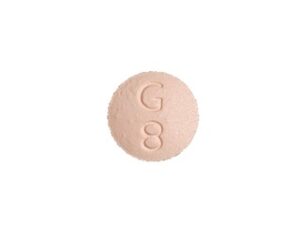
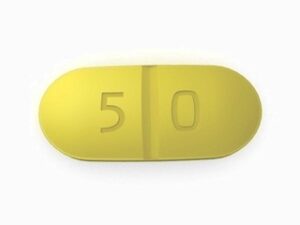
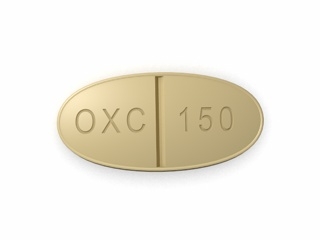
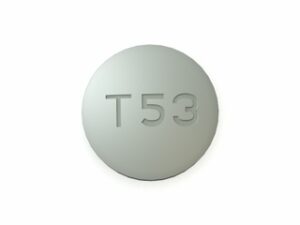
| Available Forms and Strengths | Tablets: 150 mg, 300 mg, 600 mg; Oral suspension: 60 mg/mL (120 mL bottle) |
| Manufacturers | Novartis, Apotex (generic), others |
| Prescription Status (Australia) | Prescription Only Medicine (Schedule 4 – S4, under the Poisons Standard [Therapeutic Goods Administration, TGA]) |
Mechanism of Action
For Patients:
Trileptal (Oxcarbazepine) works by helping to stabilise electrical activity in the brain. This can prevent the sudden electrical bursts that cause seizures in epilepsy.
For Health Professionals:
Oxcarbazepine is a sodium channel blocker. It acts by inhibiting voltage-sensitive sodium channels, stabilising hyperexcited neuronal membranes, suppressing repetitive neuronal firing, and reducing synaptic impulses. Its primary active metabolite, 10-monohydroxy derivative (MHD), is responsible for most of its pharmacological effect.
Pharmacokinetics
- Absorption: Rapid and almost complete absorption after oral administration. Peak plasma levels of MHD reached in 4–6 hours.
- Distribution: Widely distributed, moderately binds to proteins (about 40%).
- Metabolism: Extensively metabolised in the liver to MHD, the pharmacologically active metabolite. Minimal involvement of CYP450.
- Elimination: Mainly excreted in urine (about 95%, chiefly as MHD and conjugates), minimal faecal elimination.
- Duration of Action: Half-life of MHD is approximately 8–10 hours. Steady-state is reached within 2–3 days.
Use in Everyday Life and Best Practices (Australia Context)
- Take Trileptal exactly as prescribed by your doctor. Do not change your dose without medical advice.
- Typically taken once or twice daily, at the same time each day.
- If you miss a dose, take it as soon as you remember, unless it’s almost time for your next dose.
- It is important for those with epilepsy to carry an identification card or wear a medical alert bracelet in Australia.
- Do not stop taking Trileptal suddenly—sudden withdrawal can trigger seizures.
- Keep your medicine in its original packaging and store it below 30°C, away from heat and moisture.
Dosing: Morning vs Evening
Oxcarbazepine can be taken in the morning, in the evening, or split into two doses per day:
- Morning Dose: Many patients find it convenient; less likely to interfere with sleep for those susceptible to drowsiness.
- Evening Dose: May minimise drowsiness or dizziness while awake; helpful for those who experience sedation.
- Consistency is key. Take doses at the same time every day to maintain even drug levels and reduce seizure risk.
- If your doctor prescribes twice daily, try to space doses by 12 hours.
Taking with Food or on an Empty Stomach
Trileptal can be taken with or without food.
Australian dietary habits: No special dietary changes are needed, but taking the medicine with a meal or snack may help if it upsets your stomach. Typical British diets, including tea and common meals, do not generally interfere with Trileptal’s absorption.
Interaction Warnings
| Substance/Group | Interaction | Advice |
|---|---|---|
| Alcohol | May increase sleepiness, dizziness, and risk of side effects | Avoid or minimise alcohol intake |
| Carbamazepine, Phenytoin | May increase or reduce levels; risk of toxicity or loss of seizure control | Monitor closely; dose adjustment may be necessary |
| Oral contraceptives | Effectiveness may be reduced | Use additional contraception methods |
| Other seizure medications | May affect each other's levels | Regular blood tests may be needed |
| Grapefruit juice | No significant interaction | No restriction |
| St John’s Wort | May lower Trileptal levels | Avoid use |
| Kidney-acting medicines (diuretics, ACE inhibitors, etc.) | Increased risk of low sodium (hyponatraemia) | Regular blood sodium monitoring |
Indications
| Indication | Status | Notes |
|---|---|---|
| Focal (partial) seizures (with or without secondary generalisation) | Official (TGA approved) | Main indication; adults and children ≥6 years |
| Primary generalised tonic-clonic seizures | Off-label | Prescribed in special cases by specialists |
| Bipolar disorder | Off-label | Considered under specialist advice |
| Neuropathic pain | Off-label | Rare, under specialist care |
Dosing According to Clinical Indications
| Indication/Population | Starting Dose | Typical Range | Maximum Dose |
|---|---|---|---|
| Adults (epilepsy) | 300 mg twice daily | 600 to 1200 mg twice daily | 2400 mg/day |
| Children (6–17 years; epilepsy) | 8–10 mg/kg/day (in 2 divided doses) | Up to 46 mg/kg/day | Normally ≤ 2400 mg/day |
| Elderly | Lower start; 150–300 mg twice daily | As above, titrate carefully | Lower maximum if kidney impairment |
| Renal impairment | Half usual starting dose | Adjust per response; monitor closely |
Safety Profile and Side Effects
| Frequency | Side Effect | Notes |
|---|---|---|
| Very Common (>10%) | Drowsiness, dizziness, headache, tiredness, balance problems | Usually mild and temporary |
| Common (1–10%) | Nausea, vomiting, double vision, tremor, trouble concentrating, low blood sodium (hyponatraemia) | Test sodium regularly in elderly/renal impairment |
| Uncommon (0.1–1%) | Rash, allergic reactions, confusion, blurred vision, vomiting | Speak to a doctor if a rash appears |
| Rare (<0.1%) | Severe skin reactions (Stevens-Johnson syndrome), liver problems, blood disorders, suicidal thoughts | Seek urgent care if skin, jaundice, or mental changes develop |
Guidelines for Proper Use (Pharmacist Advice for Australia)
- Always take as prescribed; if you are unsure about your dose or timing, speak with your pharmacist or doctor.
- If you experience new symptoms or possible side effects, report to your healthcare professional immediately.
- Keep regular appointments for blood monitoring (sodium levels, liver function as advised).
- Do not drive or operate machinery until you know how Trileptal affects you, as it can cause drowsiness and dizziness.
- Keep out of reach of children and never share your medication.
- If travelling in Australia, carry a copy of your prescription and sufficient medicine supplies.
Alternative Treatment Options
- Carbamazepine – Similar mechanism, longer experience, but more potential for drug interactions and allergies.
- Lamotrigine – Well tolerated, can be used for generalised and partial seizures, possibly preferred in pregnancy.
- Levetiracetam – Modern drug, fewer drug interactions, quick to titrate, but can affect mood.
- Valproate – Very effective, especially in generalised epilepsy, but not recommended during pregnancy due to major teratogenic risk.
- Phenytoin – Useful but requires close monitoring, narrow therapeutic range.
These medicines are reimbursed by Medicare (MBS/PBS) for appropriate indications. The choice depends on individual clinical needs, comorbidities, and your doctor’s assessment.
Legal, Registration, and Reimbursement Status in Australia
- Trileptal (Oxcarbazepine) is registered with the Therapeutic Goods Administration (TGA).
- Available only with a prescription – Schedule 4 (S4).
- Costs for most indications (epilepsy) are subsidised under the Pharmaceutical Benefits Scheme (PBS).
- General restrictions apply based on approved indications and clinical guidelines.
- Notifiable to the National Prescribing Service and monitored for safety under the TGA’s post-marketing surveillance.
Latest Research and Clinical Guidance (2022–2025)
- The Australian and New Zealand Association of Neurologists (ANZAN) 2023 guidelines continue to recommend oxcarbazepine as first-line or adjunctive therapy for focal seizures in adults and children (>6 years) ([ANZAN, 2023 Update]).
- Recent trials (Goldstein et al., Epilepsia 2023) confirm comparable efficacy to carbamazepine with a lower risk of severe allergic reactions.
- PBAC (Pharmaceutical Benefits Advisory Committee) 2024 review supports ongoing PBS listing based on cost-effectiveness and safety data.
- The latest Cochrane review (2023) finds oxcarbazepine effective and generally well tolerated, though risks of hyponatraemia require regular monitoring, especially in elderly Australians.
Availability and Delivery (Australia)
| Form & Pack Size | Typical PBS Price (2024)* | Delivery to Major Cities** |
|---|---|---|
| 150 mg tablets (50 pk) | $6.70 (concession); $30.00 (general) | 1–2 days (Sydney, Melbourne, Brisbane) |
| 300 mg tablets (50 pk) | $6.70 (concession); $30.00 (general) | 1–2 days (Perth, Adelaide, Canberra) |
| 600 mg tablets (50 pk) | $6.70 (concession); $30.00 (general) | 2–4 days (Darwin, Hobart) |
| Oral suspension (60 mg/mL, 120 mL) | $6.70 (concession); $30.00 (general) | Generally available same day or next business day |
*Prices subject to change as per PBS and pharmacy mark-up.
**Delivery times may vary by region, public holidays, and pharmacy carrier.
Frequently Asked Questions (FAQ)
- Q1: Can I drink alcohol while taking Trileptal?
A: Alcohol can increase the risk of drowsiness, dizziness, and side effects. It is safest to avoid or limit alcohol while on Trileptal. Always discuss with your doctor if you have concerns about alcohol intake. - Q2: What should I do if I miss a dose?
A: Take the missed dose as soon as you remember, unless it is almost time for your next scheduled dose. If so, skip the missed dose—do not double up. If you miss multiple doses, seek advice from your doctor or pharmacist. - Q3: Can I take Trileptal when pregnant or breastfeeding?
A: Tell your doctor if you are pregnant, planning pregnancy, or breastfeeding. Generally, oxcarbazepine is considered safer than many other seizure medicines in pregnancy, but specialist advice and close monitoring will be required. - Q4: How long will I need to take Trileptal?
A: Most people with epilepsy need long-term treatment. Your doctor will regularly review your condition and may adjust or stop treatment under safe conditions if you are seizure-free for several years. - Q5: Is it safe to take other medicines with Trileptal?
A: Always check with your pharmacist or doctor before starting new medicines, including over-the-counter and herbal products. Trileptal can interact with various medicines, particularly other anti-epileptics and hormonal contraceptives.
For any further advice, contact your local Australian pharmacy or epilepsy nurse specialist. This information is for general guidance only and does not replace recommendations from your doctor or specialist.