
Imodium (Loperamide): Comprehensive Patient Guide for Australia
Basic Product Information
| International Non-Proprietary Name (INN) | Loperamide |
|---|---|
| Australia Brand Names | Imodium, Gastro-Stop, Loperamide GenRx, Loperamide Sandoz, others |
| ATC Code | A07DA03 |
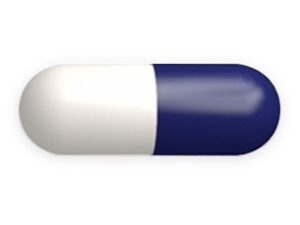
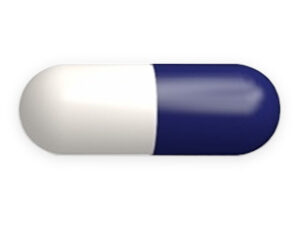
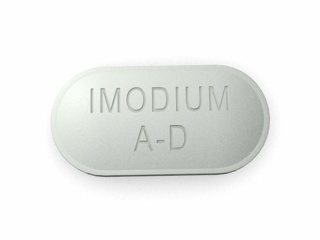
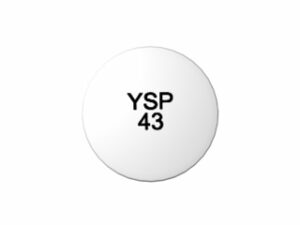
| Available Forms & Strengths | Oral capsules (2 mg), oral tablets (2 mg), orally-disintegrating tablets (2 mg), and oral liquid (1 mg/5 mL) |
| Manufacturers | Johnson & Johnson Pacific, Arrotex, Sandoz, AU generics |
| Prescription Status (Australia) | Pharmacy Medicine (S2): 2mg capsules/tablets (max 12 mg/day, up to 2 days, for short-term use in adults and children over 12). Prescription Medicine (S4): Higher doses, longer-term therapy, or paediatric formulations. |
Mechanism of Action
In Simple Terms: Imodium (Loperamide) slows down how quickly food moves through your bowel. It helps reduce diarrhoea by making your stools firmer and less watery.
For Specialists: Loperamide is a μ-opioid receptor agonist acting on the myenteric plexus of the large intestine. It inhibits acetylcholine and prostaglandin release, reducing peristalsis and increasing intestinal transit time. Unlike typical opioids, it does not significantly cross the blood–brain barrier, so it lacks central nervous system effects at standard doses.
Pharmacokinetics
- Absorption: Loperamide is rapidly absorbed after oral administration, but its bioavailability is low (<2%) due to strong first-pass liver metabolism.
- Metabolism: Primarily in the liver via CYP3A4 and CYP2C8 enzymes.
- Elimination: Mostly excreted in the faeces. Renal excretion minimal (<2%).
- Duration of Action: Symptom relief starts within 1–3 hours and lasts around 6–12 hours.
- Half-life: Approximately 10.8 hours in healthy adults.
Use in Everyday Life and Best Practices
Imodium (Loperamide) is commonly used in Australia for:
- Short-term relief of acute diarrhoea (non-infectious)
- Control of diarrhoea symptoms associated with irritable bowel syndrome (IBS-D)
- Management of chronic diarrhoea in certain long-term conditions (e.g., inflammatory bowel disease, post-surgical bowel changes)
Typical Adults Dosing:
- Initial dose: 2 capsules/tablets (4 mg) after the first loose stool.
- Then 1 capsule/tablet (2 mg) after each subsequent loose stool (do not exceed 8 capsules/16 mg per day without medical advice).
- For children ≥12 years: same as adults; for ages 6–12 years, follow doctor’s advice.
Best Practice Tips (Australia):
- Keep hydrated—diarrhoea can cause fluid and salt loss.
- Consider oral rehydration solution (e.g., Gastrolyte) if diarrhoea is severe.
- See your GP if symptoms persist over 48 hours, or if young children or elderly are affected.
- Do NOT use to treat diarrhoea caused by infections like dysentery, bacterial/viral gastroenteritis, or if blood/mucus is present in the stool.
- Not recommended during pregnancy or breastfeeding without medical supervision.
- Do not use in children under 12 years without a prescription and medical advice.
Dosing: Morning vs Evening
Morning Dosing:
- Convenient if symptoms start early; may offer longer daytime relief.
- May help manage symptoms at work, school, or during travel.
- Useful if diarrhoea occurs or worsens at night.
- Can help prevent interruptions to sleep when needed.
Taking With Food or on an Empty Stomach
Imodium may be taken with or without food. Food does not significantly affect its action. In Australian dietary habits, loperamide is often used regardless of meal times—choose whichever is more comfortable and convenient. However, avoid fatty, spicy, or dairy-rich foods which can sometimes worsen diarrhoea.
Interaction Warnings
| Interaction | Details / Precautions |
|---|---|
| Food | Generally safe; fatty or spicy foods may worsen diarrhoea. |
| Alcohol | Can cause additional dehydration; best avoided during diarrhoea episodes. |
| Medications |
|
Indications
| Indication | Status | Details |
|---|---|---|
| Acute non-infectious diarrhoea | Approved | Short-term symptomatic relief in adults and children ≥12 |
| Chronic diarrhoea (e.g. IBD, short bowel) | Approved, off-label in some cases | Used under close medical supervision |
| Irritable bowel syndrome with diarrhoea (IBS-D) | Off-label | Commonly recommended in clinical guidelines |
| Traveller’s diarrhoea | Common use | If no fever or blood in stool, and not due to infection |
| Gastrostomy or ileostomy induced diarrhoea | Off-label | Used in specialist care |
Dosing According to Clinical Indications
| Population | Acute Diarrhoea | Chronic Diarrhoea | Maximum Daily Dose |
|---|---|---|---|
| Adults (≥12 yrs) | 4 mg initially, then 2 mg after each loose stool | Usually 2 mg once or twice daily; adjust to lowest effective dose | 16 mg |
| Children 6–11 yrs* | 2 mg after first loose stool, then 1 mg after each loose stool | Specialist use only | 6 mg (weight-based) |
| Elderly | As for adults; start low if frail | Closely monitor for constipation | 16 mg |
| Children <6 yrs | Not recommended unless directed by paediatrician | Not recommended | Individualised |
*Children’s dosing may require oral liquid and always Paediatric/Specialist supervision.
Safety Profile and Side Effects
| Type | Side Effect | Frequency / Risk | Advice |
|---|---|---|---|
| Common | Constipation, abdominal pain/cramps, nausea, dry mouth | 1–10% | Usually mild, stop if symptoms worsen |
| Less Common | Flatulence, dizziness, headache, drowsiness | <1–5% | If troublesome, see GP |
| Rare/Serious | Severe constipation, paralytic ileus, bloating, vomiting, allergic reaction (rash, swelling, difficulty breathing) | Rare (see CMI) | Seek urgent medical help |
| Very Rare | Cardiac events (high-dose misuse), CNS effects | <0.1% | Hospital/ED, especially in intentional misuse |
Warning: If diarrhoea is accompanied by blood, high fever or severe pain, do NOT use Imodium—seek medical advice.
Guidelines for Proper Use: Pharmacist/Clinic Advice
- Always use the lowest effective dose for the shortest duration.
- Continue normal diet (avoid fasting), but focus on easy-to-digest foods (plain bread, rice, bananas, apple sauce, clear broths).
- Drink plenty of fluids—oral rehydration is especially important for children and the elderly.
- Seek prompt advice from your GP if you notice blood or mucus in stool, severe abdominal pain, or if diarrhoea lasts over 48 hours.
- Store Imodium in a cool, dry place (below 25°C), away from direct sunlight and out of reach of children.
- Check expiry date and do not use after expiry.
- If you are pregnant or breastfeeding, consult your healthcare provider before use.
- Advise your doctor about all your medications to avoid harmful interactions.
- For travel: pack in original packaging, take enough for the trip, and keep with you—not in checked luggage.
Alternative Treatment Options
- Oral Rehydration Solutions (Gastrolyte, Hydralyte): First-line for most types of diarrhoea, especially in children and elderly. Does not stop diarrhoea but prevents dehydration. Subsidised under some PBS arrangements, especially for high-risk patients.
- Other anti-motility agents: Diphenoxylate/atropine (Lomotil, prescription required), less commonly used due to potential for nervous system side effects.
- Other options: Bismuth subsalicylate (Pepto-Bismol, limited use in Australia), probiotics, restrictive diet.
- Antibiotics: For bacterial causes only, always on prescription after medical assessment.
- Comparison: Loperamide works rapidly to control symptoms but should not be used for diarrhoea caused by infection with high fever or blood in stool. Oral rehydration is always essential alongside any anti-diarrhoeal.
Legal, Registration, and Reimbursement Status in Australia
- Registered with the Therapeutic Goods Administration (TGA) as a Schedule 2 (Pharmacy Medicine) and Schedule 4 (Prescription Medicine) depending on strength and indication.
- Not subsidised by the Pharmaceutical Benefits Scheme (PBS) for over-the-counter short-term use, but prescribed formulations may be covered in special circumstances.
- Regulated under Australian Medicines Handbook and SHPA guidelines.
- Must be supplied only by Australian-registered community or hospital pharmacies.
Latest Research and Clinical Guidance (2022–2025)
- Australian Digestive Health Guidelines (2023): Imodium remains first-line for symptom relief in non-infectious diarrhoea and IBS-D management (Butler & Ford, MJA 2023).
- Therapeutic Goods Administration (TGA) Medicines Safety Update (2024): Ongoing guidance: restrict use to short-term relief, avoid in infectious diarrhoea, and caution for misuse in IBS and as a weight-loss agent.
- World Gastroenterology Organisation Practice Guidelines (2024): Loperamide is effective for acute diarrhoea, but always recommend rehydration as the cornerstone; opiate misuse concerns remain minimal with responsible pharmacy supply.
- Recent patient safety notices highlight: Cardiac adverse events in chronic misuse situations—pharmacists encouraged to reinforce dosing limits and red-flag requests for large pack sizes or frequent repeat purchasing.
Availability and Delivery
- Readily available OTC from most Australian pharmacies for adults and children age 12 and over.
- Popular pack sizes: 6, 12, 20 capsules/tablets. Larger packs require prescription in most cases.
- Oral suspension/liquid available as prescription medicines for paediatric patients or swallowing difficulties.
- Indicative Pricing:
- Imodium 2mg (6 tablets): ~$8
- Generic loperamide 2mg (20 tablets): $12–16
- Paediatric oral liquid 1mg/5mL: $15–20 per 100mL (prescription only)
| City | Delivery Option | Indicative Delivery Time (Days) |
|---|---|---|
| Sydney | Click & Collect, Next Day Courier | Same or Next Business Day |
| Melbourne | Click & Collect, Standard Post | 1–2 Business Days |
| Brisbane | Standard & Express Post | 1–2 Business Days |
| Perth | Express Post | 2–4 Business Days |
| Regional/Remote | Standard Post | 3–7 Business Days |
Frequently Asked Questions (FAQ)
- Can I take Imodium for “gastro” or infectious diarrhoea?
Only take Imodium for non-infectious diarrhoea. If you have blood or mucus in your stool, a high fever, or suspect “gastro”, see your doctor first—Imodium can be harmful if used in infections. - Can I drink alcohol while taking Imodium?
It’s best to avoid alcohol, as both alcohol and diarrhoea cause dehydration. - What if I accidentally take too much Imodium?
Stop taking it and seek immediate medical advice if you develop constipation, severe bloating, or experience heart palpitations, faintness, or unusual drowsiness. - Can I use Imodium if I am pregnant or breastfeeding?
Imodium should be used in pregnancy or breastfeeding only under medical advice; safety is not fully established. - What should I do if diarrhoea lasts more than two days while using Imodium?
Stop Imodium and see your doctor—prolonged diarrhoea may signal a more serious underlying cause.