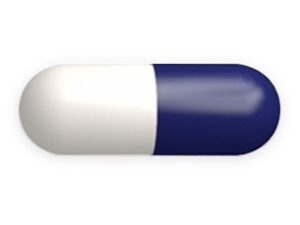
Dexilant (Dexlansoprazole): Patient-Friendly Medicine Overview for Australia
1. Basic Product Information
| International Non-proprietary Name (INN): | Dexlansoprazole |
|---|---|
| Australia Brand Names: | Dexilant |
| ATC Code: | A02BC06 |
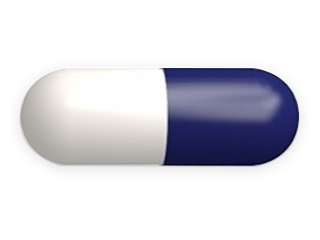
| Available Forms & Strengths: | Modified-release capsules: 30 mg & 60 mg |
| Manufacturers: | Takeda Pharmaceuticals Australia Pty Ltd |
| Prescription Status: | Prescription Only (Schedule 4, Prescription Medicine) |
2. Mechanism of Action
Patient summary: Dexilant is a medicine that lowers the amount of acid produced by your stomach. This helps relieve symptoms and allows healing of the food pipe (oesophagus) and stomach lining that may have been damaged by excess acid.
Specialist detail: Dexlansoprazole is a proton pump inhibitor (PPI) that selectively blocks the H+/K+-ATPase enzyme system (“proton pump”) found in the stomach lining, reducing the final step of gastric acid secretion. The dual delayed-release formulation provides two separate releases in the GI tract, prolonging acid suppression.
3. Pharmacokinetics
- Absorption: Rapidly absorbed after oral administration. Peak plasma concentrations reached in 1–2 hours (first release), and 4–5 hours (second release).
- Bioavailability: Increased when taken without food. Food may slightly delay absorption but the dual-release formulation minimises the effect.
- Metabolism: Extensively metabolised in the liver (CYP2C19 and CYP3A4 pathways).
- Elimination: Excreted mainly through urine as metabolites.
- Duration of action: Provides up to 24 hours of acid suppression.
- Half-life: 1–2 hours (but acid suppression lasts longer due to irreversible enzyme inhibition).
4. Everyday Use & Best Practices in Australia
- Typical doses:
- GORD/GERD (erosive and non-erosive): 30–60 mg once daily
- Maintenance therapy: 30 mg once daily
- How to use: Swallow capsules whole with water. Do not crush or chew. Can be taken with or without food, but best advice is to be consistent.
- Australian context: Discuss with your pharmacist if you need a dose calendar, especially if mixing with other prescription medicines common in Australia, such as statins or antihypertensives.
Always use Dexilant as prescribed by your Australian GP or specialist. Never share your medication with others, even if symptoms are similar.
5. Morning vs Evening Dosing
- For most adults, taking Dexilant in the morning is preferred, as it controls acid throughout the day and prevents daytime symptoms like heartburn or regurgitation.
- If primarily experiencing night-time symptoms (“nocturnal reflux”), evening dosing may be recommended by your GP.
- Consistency is key: take the medication at around the same time each day. Use of a reminder or linking with breakfast or dinner can help build the habit.
- Tip: If you regularly miss doses, speak to your pharmacist for advice or consider setting a reminder on your phone.
6. Taking with Food or on an Empty Stomach
Unlike some PPIs, Dexilant may be taken with or without food, as the dual delayed-release technology reduces food effects on absorption. However, for best results, aim to take your capsule at the same time in relation to meals each day – for example, always before breakfast, if this suits your routine.
In Australia, where breakfast staples can include cereal, toast, eggs, and coffee or tea, Dexilant offers convenience since it does not require strict fasting before ingestion.
- If sensitive stomach: Try taking with a small amount of food to reduce nausea.
7. Interaction Warnings
| Type | What to avoid or monitor | Notes for Australians |
|---|---|---|
| Food | No major restrictions, but take consistently in relation to meals. | OK with typical Australian breakfasts and dinners. |
| Alcohol | Excess alcohol may worsen reflux symptoms. | Moderation advised, especially with wine or beer. |
| Other medicines | May interact with:
| Always inform your pharmacist about all your medicines, including over-the-counter and herbal supplements. |
| Supplements | Long-term use may reduce absorption of vitamin B12, magnesium, and calcium. | Ask your doctor if you need monitoring or supplements. |
8. Indications
| Indication | Official / Off-label | Notes |
|---|---|---|
| Treatment of erosive oesophagitis | Official (TGA approved) | Active acid-related damage to oesophagus |
| Maintenance of healed erosive oesophagitis, prevention of relapse | Official (TGA approved) | Usually lower dose for long-term use |
| Symptomatic relief of non-erosive GERD (GORD) | Official (TGA approved) | Short-term or on-demand use possible |
| Off-label use: Peptic ulcer disease, H. pylori eradication, Zollinger-Ellison syndrome | Off-label (guided by specialist) | Discuss with your doctor for non-standard uses |
9. Dosing According to Clinical Indication
| Condition | Adult Dose | Pediatric Dose (12-17 years) | Elderly Dose | Duration |
|---|---|---|---|---|
| Erosive oesophagitis (acute treatment) | 60 mg once daily | 60 mg once daily | 60 mg once daily* | Up to 8 weeks |
| Erosive oesophagitis (maintenance) | 30 mg once daily | Not usually recommended | 30 mg once daily* | 6 months or as prescribed |
| Non-erosive GERD (GORD) relief | 30 mg once daily | Not usually recommended | 30 mg once daily | 4 weeks or as needed |
* For elderly patients or those with moderate liver disease, discuss dose adjustment with your doctor.
10. Safety Profile and Side Effects
Like all medicines, Dexilant may cause side effects, but not everyone experiences them. Most side effects are mild and temporary.
| Common Side Effects | Rare/Serious Side Effects | When to See a Doctor |
|---|---|---|
|
|
|
11. Guidelines for Proper Use: Practical Advice in Australia
- Always take your medicine as directed by your doctor or pharmacist.
- Keep capsules in their original packaging; protect from heat and moisture (store under 25°C).
- Do not stop treatment suddenly without consulting your GP, unless you experience serious side effects.
- If you miss a dose, take it as soon as remembered, unless it’s almost time for your next dose. Do not double up.
- Contact your healthcare professional if reflux symptoms recur during maintenance therapy.
- If you move interstate or travel, your prescription is valid throughout Australia. In remote areas, order via a registered online pharmacy or community chemist.
12. Alternative Treatment Options
- Esomeprazole (Nexium): Similar PPI, widely available on the PBS (Pharmaceutical Benefits Scheme).
- Omeprazole (Losec): Older PPI, also PBS-listed, commonly used for similar indications.
- Pantoprazole (Somac): Widely prescribed, lower cost, similar effectiveness.
- Rabeprazole (Pariet): Alternative PPI for certain cases.
- H2 Blockers (e.g. famotidine): For milder cases or short-term relief.
Advantages of Dexilant: Dual delayed-release; may offer longer acid suppression for some users.
Disadvantages: Typically not first-line due to cost; some alternatives are equally effective and reimbursed by the PBS.
13. Legal, Registration, and Reimbursement Status in Australia
- Registered with: Therapeutic Goods Administration (TGA)
- Legal status: Schedule 4 (Prescription only)
- PBS reimbursement: Not routinely listed on the Pharmaceutical Benefits Scheme for most indications; patients may pay full private cost.
- Prescription requirements: Written prescription from an Australian registered medical practitioner required.
14. Latest Research and Clinical Guidance (2022–2025)
- Recent guidelines from the Gastroenterological Society of Australia confirm proton pump inhibitors remain first-line for GORD, with stepped-dose reduction (deprescribing) encouraged for long-term users (GESA 2022–2025).
- Dexlansoprazole’s dual-release technology is noted for possible benefits in people with nocturnal or breakthrough symptoms (Day et al, JGH 2024).
- Long-term safety research emphasises monitoring for low magnesium, B12 deficiency, and rare infections (BMJ Open Gastroenterol 2023; Med J Aust 2022).
- No new serious safety concerns reported up to 2025; appropriate for use as directed.
Always refer to Australian clinical guidelines and TGA updates for prescribing.
15. Availability & Delivery (Australia)
| Pack Size | Capsule Strength | Indicative Price* | Major City Delivery |
|---|---|---|---|
| 30 | 30 mg | $58–$70 | Sydney: 1–2 days Melbourne: 1–2 days Brisbane: 2 days Perth: 3–4 days Adelaide: 2 days |
| 30 | 60 mg | $88–$105 | See above |
*Actual prices may vary. Check with your local pharmacy or online Australian pharmacy for up-to-date pricing and delivery options.
16. Frequently Asked Questions (FAQ)
- Can I take Dexilant with other medicines?
Yes, but always discuss your full medication list with your doctor and pharmacist to avoid drug interactions, especially with antifungals, HIV medicines, warfarin, or digoxin. - Is it safe for long-term use?
Dexilant is safe if used as prescribed, but long-term use may increase risks like nutrient deficiencies or bone thinning. Your doctor will discuss the lowest effective dose and regular reviews. - What if I miss a dose?
Take it as soon as you remember unless it’s close to your next scheduled dose. Do not double up doses. - Will it affect my driving or work?
Dexilant is unlikely to affect your ability to drive or operate machinery. If you feel unusually dizzy or tired, speak to your doctor. - Is Dexilant covered by the Australian PBS?
No, at present Dexilant is not usually covered by the PBS for most indications, so you will likely pay the full private price.
For any further questions, consult your GP, pharmacist, or local Australian healthcare professional.