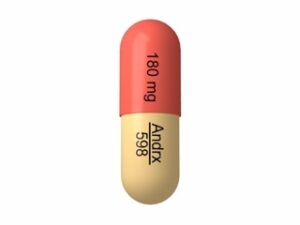
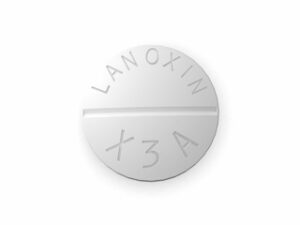
Amiodarone: Comprehensive Patient Information for Australia
Basic Product Information
| International Non-proprietary Name (INN) | Amiodarone |
|---|---|
| Common Australia Brand Names | Cordarone X, Aratac, Amiodarone Sandoz |
| ATC Code | C01BD01 |
| Available Forms & Strengths | Tablets: 100 mg, 200 mg, 400 mg; Injection: 50 mg/mL (ampoules 3 mL) |
| Manufacturers | Sanofi-Aventis, Sandoz, Arrow Pharma |
| Prescription Status | Prescription Only (Schedule 4: Prescription Medicine) |
Amiodarone is a medication prescribed to manage and treat certain types of irregular heart rhythms (arrhythmias). It is only available with a doctor’s prescription in Australia and comes in both oral tablet and injectable forms.
Mechanism of Action
For Patients: Amiodarone helps your heart beat more regularly if you have rhythm problems. It works by changing the electrical signals in your heart, which helps steady an abnormal rhythm and keep a regular heartbeat.
For Specialists: Amiodarone is a class III antiarrhythmic agent with multiple electrophysiological effects: it prolongs phase 3 of the cardiac action potential mainly by inhibiting potassium channels, thereby increasing myocardial refractory period. It also has sodium channel blocking effects (Class I), noncompetitive β-adrenergic inhibition (Class II), and weak calcium channel blockade (Class IV properties).
Pharmacokinetics
- Absorption: Oral bioavailability is variable (30–80%), peak levels reached in 3–7 hours after oral dose.
- Distribution: Highly lipophilic; large volume of distribution; accumulates in tissues (e.g., adipose, liver, lung).
- Metabolism: Metabolised in the liver primarily by CYP3A4 to desethylamiodarone (active form).
- Elimination: Excreted mainly via bile; less than 1% excreted by kidneys. It is not dialysable.
- Duration of Action: Very long half-life (average 20–100 days, up to several months), requires loading then maintenance dosing.
Use in Everyday Life and Best Practices (Australia)
Amiodarone is commonly prescribed for adults with arrhythmias such as atrial fibrillation, atrial flutter, and life-threatening ventricular arrhythmias. Therapy is tailored by a cardiologist based on individual circumstances.
Typical Doses:
- Initial loading dose: 200 mg taken 2 to 3 times daily for 1–2 weeks.
- Maintenance dose: Usually 100–200 mg daily, adjusted by your doctor.
Tablets should be taken with a full glass of water and at the same time each day, as recommended for medication routines in Australia for best effect. Regular follow-up with your GP or cardiologist is essential and blood tests may be required to monitor for side effects.
Dosing: Morning vs Evening
- Morning dosing: May reduce insomnia or vivid dreams experienced by some patients.
- Evening dosing: Offers convenience for those already taking other nightly medications.
- Consistency: Most important is taking amiodarone at the same time each day. Set a daily alarm or use a pillbox to help form a routine—both are widely practised for medication adherence in Australia.
Taking With Food or On an Empty Stomach
Amiodarone absorption can be increased if taken with food, particularly fatty meals. In Australia, if you eat three regular meals a day, aim to take your dose after a main meal to improve absorption and consistency. Avoid grapefruit or grapefruit juice as these can dangerously increase blood levels of amiodarone due to CYP3A4 inhibition.
Interaction Warnings
| Type | Interaction | Advice |
|---|---|---|
| Food | Grapefruit juice | Avoid: Increases amiodarone effect & toxicity risk. |
| Alcohol | May increase risk of liver toxicity | Limit or avoid; discuss with your clinician. |
| Medications | Warfarin | Monitor INR closely; dose adjustment needed. |
| Digoxin | May increase digoxin levels; lower digoxin dose may be required. | |
| Statins | Muscle toxicity risk increases; use at lowest effective dose. | |
| Other antiarrhythmics, QT-prolonging drugs (e.g., sotalol, haloperidol, erythromycin) | Risk of serious heart rhythm problems; avoid combining, or only under specialist care. |
Indications
| Indication | Status | Description |
|---|---|---|
| Ventricular Tachycardia | Official | Preventing and treating life-threatening fast rhythms from the lower chambers of the heart. |
| Ventricular Fibrillation | Official | Prevention of recurrence after successful defibrillation. |
| Atrial Fibrillation/Flutter | Official | Control of heart rhythm (especially when other drugs have failed or are unsuitable). |
| Supraventricular Tachycardias (SVT) | Off-label (specialist only) | Rarely, control of fast heart rhythms from the upper heart chambers. |
Dosing According to Clinical Indications
| Indication / Patient | Loading Dose | Maintenance Dose |
|---|---|---|
| Adults | 200 mg 1–3 times daily for 1–2 weeks | 100–200 mg once daily |
| Elderly | As above, but monitor closely for side effects | Generally lower end (100 mg daily), adjust based on tolerance |
| Children | 5–10 mg/kg/day in divided doses (hospital specialist) | 5 mg/kg/day (rare, specialist advice needed) |
| IV (acute settings) | 5 mg/kg over 20–120 mins | Continuous infusion as advised by specialist |
Safety Profile & Side Effects
| Common Side Effects |
|
|---|---|
| Uncommon/Rare Side Effects |
|
| Warnings |
|
Guidelines for Proper Use (Pharmacist/Clinic Advice)
- Always take amiodarone exactly as prescribed. Do not change your dose or stop abruptly.
- Bring your dose schedule or medication pack to all appointments.
- Wear protective clothing/hat and use sunblock when outside; Australia’s sun is intense and the medicine increases sensitivity.
- Avoid grapefruit and grapefruit juice.
- Inform every doctor, pharmacist, or specialist you see that you take amiodarone.
- Carry a medication card or wear a medical ID noting amiodarone use if you have a pacemaker or serious arrhythmia.
- Keep all scheduled blood tests and monitoring visits—even if you feel well.
Alternative Treatment Options & Comparative Overview
- Sotalol: An alternative antiarrhythmic (also PBS-listed); lower risk of slow, cumulative side effects but more likely to worsen some heart rhythms (torsades de pointes).
- Beta-blockers (e.g., metoprolol, bisoprolol): First-line for many arrhythmias, especially in atrial fibrillation; generally lower risk but may be less effective for complex ventricular arrhythmias.
- Flecainide or Propafenone: For selected patients with no structural heart disease; less effective in some life-threatening rhythms and have pro-arrhythmic potential in unsuitable patients.
- Catheter ablation/statin therapy: Modern non-drug approaches, may provide a cure in some arrhythmia types (especially paroxysmal AF); may not be suitable for everyone.
Choice of therapy is guided by arrhythmia type, heart function, other conditions, and side effect profile. Your cardiologist will advise on the safest and most effective treatment for your individual case.
Legal, Registration, & Reimbursement Status in Australia
- Regulator: Registered by the Therapeutic Goods Administration (TGA).
- Prescription Status: S4 (Prescription Only) medicine.
- Reimbursement: Amiodarone (brands: Cordarone X, Aratac, etc.) is listed on the Pharmaceutical Benefits Scheme (PBS) for eligible cardiac arrhythmias.
- Dispensing: Can only be dispensed by a registered pharmacy upon a prescriber’s valid authority.
Latest Research & Clinical Guidance (2022–2025)
- 2022 Australian and New Zealand cardiac societies’ guidelines recommend amiodarone for life-threatening ventricular arrhythmias and for controlling atrial fibrillation where other agents have failed.
- A 2024 Cochrane review confirms superior efficacy for rhythm control in AF compared to digoxin or placebo, but highlights need for careful long-term monitoring (Harper et al., Cochrane, 2024).
- Recent UK and international studies (NEJM 2023) suggest amiodarone continues to be appropriate as a rescue or maintenance therapy, especially in heart failure patients intolerant to other antiarrhythmics.
- Emphasis remains on “lowest effective dose” and “routine safety assessment for all” who are prescribed amiodarone (Cardiac Society of Australia and New Zealand, CSANZ Guidelines, 2023).
References available upon request from your healthcare provider. Always discuss clinical research relevance with your doctor before making decisions about your therapy.
Availability & Delivery (Australia)
| Form | Pack Sizes | Indicative PBS Price (2024) | Delivery Time (Capital Cities) |
|---|---|---|---|
| Aratac 200 mg tablets | 30, 100 tablets | AU$16.10 (concession), AU$34.50 (general) | 1–2 business days (Sydney, Melbourne, Brisbane); 2–4 days (Adelaide, Perth, Hobart, Darwin) |
| Cordarone X 200 mg tablets | 30, 100 tablets | AU$16.10 (concession), AU$34.75 (general) | Similar to above, subject to pharmacy stock |
| Amiodarone Injection | 3x3 mL, hospital pack | Hospital use only | Usually immediately available in tertiary hospitals |
Amiodarone is available across Australia via all community and hospital pharmacies. Urgent deliveries possible in metropolitan areas; rural areas may require 1–3 additional days for courier.
FAQ – Most Common Patient Questions
- Do I have to take amiodarone forever?
Not always. For some, it is a long-term treatment; for others, it may be withdrawn after your heart rhythm stabilises. This is always done gradually under specialist supervision. - Is sun exposure dangerous while on amiodarone?
Yes—Australia has intense sunlight and amiodarone makes your skin extra sensitive to UV. Always use high-factor sunblock, wear a hat, and avoid prolonged outdoor exposure. - Can I have amiodarone with my usual medicines?
Not always. Amiodarone interacts with many common medicines (see above). Always check with your pharmacist or GP before starting any new medicines, including non-prescription and natural products. - How will I be monitored while on amiodarone?
You will need regular blood tests (liver, thyroid), heart rhythm monitoring, lung checks, and sometimes eye exams. Your healthcare team will establish a schedule for you. - What if I miss a dose?
Take it as soon as you remember, unless it is almost time for the next dose—then skip the missed one. Do not double up on doses. Contact your doctor if unsure.
Always talk to your doctor, pharmacist, or cardiac specialist if you have any questions or concerns about your amiodarone treatment. This information is intended to support, not replace, advice from your healthcare team.