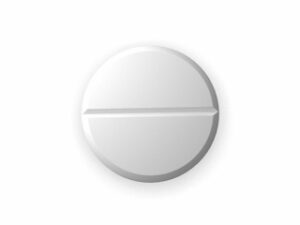
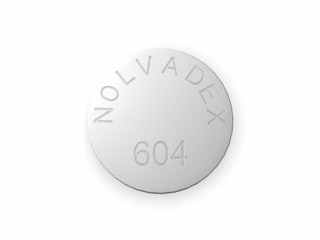

Nolvadex (Tamoxifen) – Patient Information Guide for Australia
Basic Product Information
| International Non-proprietary Name (INN) | Tamoxifen |
|---|---|
| Australian Brand Names | Nolvadex, Genox, Tamoxifen Sandoz, Tamifen |
| ATC Code | L02BA01 |
| Available Forms and Strengths | Tablets (10 mg, 20 mg) |
| Manufacturers | AstraZeneca, Sandoz, Apotex, generic suppliers |
| Prescription Status | Prescription only (Schedule 4 medicine in Australia) |
Mechanism of Action
For Patients: Tamoxifen works by blocking the effects of the hormone estrogen on breast tissue. Many breast cancers need estrogen to grow, and tamoxifen helps slow or stop their growth by preventing estrogen from acting on these cells.
For Specialists: Tamoxifen is a selective estrogen receptor modulator (SERM). It competitively inhibits estrogen binding at the estrogen receptor in breast tissue, while exhibiting partial agonist effects in bone, endometrium, and lipid metabolism.
Pharmacokinetics
- Absorption: Tamoxifen is well absorbed after oral administration, with peak plasma concentrations reached in 4–7 hours.
- Metabolism: Extensively metabolised in the liver (mainly by CYP3A4 and CYP2D6) into active metabolites, especially endoxifen.
- Elimination: Eliminated slowly, mainly in faeces and urine; terminal elimination half-life is 5–7 days.
- Duration of Action: Effects are maintained with daily dosing; due to the long half-life, steady-state plasma levels are reached after 3–4 weeks.
Everyday Use and Best Practice (Australia Context)
Typical doses: Most adults take 20 mg once daily. In some cases, the dose may be split into two daily doses (10 mg twice daily).
How to take: Swallow tablets whole with water, at the same time each day. It’s important to take Nolvadex exactly as prescribed.
Storage: Store below 30°C, away from direct sunlight and out of reach of children.
Practical Tips: Use a pill box or alarm to help remember. Discuss any difficulties (e.g., swallowing pills) with your pharmacist.
Dosing in the Morning vs Evening
- Morning: May be easier to remember as part of your morning routine; may lessen sleep disturbance in those experiencing hot flushes or insomnia.
- Evening: Can be taken at night, especially if any daytime drowsiness occurs.
- Best Practice: Choose a time that fits your daily habits and stick to it. If you miss a dose, take it as soon as you remember (unless it’s almost time for the next dose).
Taking with Food or On an Empty Stomach
- No significant effect of food on absorption; Nolvadex can be taken with or without food.
- If you experience stomach upset, take with a meal to help.
- Fits well with English dietary habits; no need to avoid common Australian foods.
Interaction Warnings
| Type | Substance | Action/Advice |
|---|---|---|
| Food | Grapefruit/juice | Avoid; may interfere with liver enzymes and increase side effects. |
| Alcohol | Moderate consumption | Generally safe; but best to limit heavy drinking due to potential for liver strain. |
| Medications | SSRIs (paroxetine, fluoxetine) | May reduce effectiveness—discuss alternatives with your doctor. |
| Medications | Warfarin | Increased bleeding risk—regular monitoring needed. |
| Herbal | St John’s Wort | May lower tamoxifen levels; avoid combination. |
Indications for Use
| Indication | Status | Notes |
|---|---|---|
| Early breast cancer (hormone receptor positive) | Approved | Primary use in Australia |
| Advanced/metastatic breast cancer | Approved | As first-line or after recurrence |
| Male breast cancer | Approved | Less common; similar dosing |
| Breast cancer risk reduction (high-risk women) | Approved | As per specialist advice |
| Infertility (ovulation induction) | Off-label | By reproductive specialists |
| Gynaecomastia (men) | Off-label | Specialist only |
Dosing According to Indication
| Population | Indication | Usual Dose | Max. Dose | Notes |
|---|---|---|---|---|
| Adult women | Adjuvant breast cancer | 20 mg once daily | 40 mg/day | Up to 5–10 years treatment |
| Adult men | Breast cancer | 20 mg once daily | 40 mg/day | Same as women |
| Pediatric | Rare (off-label) | 10–20 mg/day | N/A | Specialist paediatric use only |
| Elderly | All indications | As above | No dose reduction needed, but extra monitoring is recommended |
Safety Profile & Side Effects
| Frequency | Side Effects | Notes |
|---|---|---|
| Common | Hot flushes, sweating, menstrual irregularities, nausea, leg cramps, fatigue | May improve over time |
| Occasional | Vaginal dryness/discharge, mild hair thinning, headaches, mild mood changes | Report bothersome symptoms |
| Rare/Serious | Blood clots (DVT/PE), endometrial changes/cancer, severe liver problems, eye changes (cataracts) | Seek urgent medical review if symptoms like swelling, breathlessness, severe pain, or vision changes occur |
| Warnings | May interact with other cancer therapies, pregnancy category D (do not use in pregnancy); avoid breastfeeding | Specialist supervision required at all times |
Guidelines for Proper Use (Pharmacy/Clinic Advice, Australia)
- Always take Nolvadex as prescribed. Do not adjust or stop your dose without consulting your oncologist or GP.
- Keep all scheduled appointments, including cancer follow-up, blood tests, and monitoring for side effects.
- Notify your healthcare professional if you plan to start or stop any regular medicines or herbal preparations.
- Inform your GP or pharmacist if you become pregnant, experience abnormal bleeding, swelling, sudden pain, breathlessness, or poor vision.
- Discuss symptoms of menopause, bone health, or mood changes; support is available.
- Before any surgery or long travel (e.g. Air travel between states), tell your doctor, as preventive measures against blood clots may be needed.
- Vaccinations (including against COVID-19 and influenza) can generally be continued unless specifically advised.
Alternative Treatment Options (PBS Reimbursed)
- Aromatase inhibitors (e.g., anastrozole, letrozole, exemestane): Main alternatives post-menopause; less effective pre-menopause. PBS-listed, require specialist prescription; slightly higher risk of osteoporosis but less risk of endometrial issues.
- Fulvestrant: Injectable SERM, used in some advanced cases.
- Toremifene: Not commonly used or widely available in Australia.
- Ovarian suppression therapy (plus tamoxifen or AI): For select pre-menopausal patients.
- All listed therapies are available on the PBS (Pharmaceutical Benefits Scheme) for approved indications, with subsidised cost for most local patients.
Legal, Registration, and Reimbursement Status in Australia
- Nolvadex (Tamoxifen) is a registered, prescription-only medicine in Australia (ARTG listing by the Therapeutic Goods Administration—TGA).
- Available on the PBS (Pharmaceutical Benefits Scheme) for most indications, with broad public reimbursement for eligible breast cancer patients and high-risk individuals. Criteria for PBS subsidisation may apply.
- Legal requirements: Schedule 4 (prescription only); supply by registered pharmacist. A doctor’s prescription and review is essential.
- Private insurance and public hospitals also routinely supply Nolvadex under medical supervision.
Latest Research and Guidelines (2022–2025)
- Duration of therapy: Recent studies (e.g. ATLAS, aTTom, ASCO 2022) confirm benefits of continuing tamoxifen for up to 10 years in selected patients, reducing recurrence and mortality rates. Shorter durations may be considered per patient risk profile.
- Menopausal symptom support: Updates from Cancer Australia (2023) recommend non-hormonal options for menopausal symptoms in breast cancer survivors taking tamoxifen, due to interactions with estrogenic therapies.
- CYP2D6 pharmacogenomics: Growing evidence supports considering CYP2D6 metabolism status in predicting response to tamoxifen, though routine testing is not mandatory in the UK or Australia (NICE 2024 guidance).
- Pregnancy and fertility: Patients wishing to conceive should complete tamoxifen and have an appropriate "wash-out" period of at least 2 months before attempting pregnancy, as per ESMO and RANZCOG guidelines.
- Cancer Australia and several key breast cancer academic societies publish patient guidelines and updates. References include:
- Australian Cancer Council–Breast Cancer
- Cancer Australia, “Management of Early Breast Cancer” (2022, 2023)
- ASCO, ESMO, and NICE clinical summaries (2023, 2024)
Availability and Delivery in Australia
- Common pack sizes: 30 or 60 tablets per pack (10 mg or 20 mg strength)
- Indicative price (with PBS): $7–$42 co-payment per pack (as of 2024)
- With private scripts: $25–$50/pack (prices vary by pharmacy and region)
| City | Estimated Delivery Time (Online Pharmacy/Express) |
|---|---|
| Sydney | Same day – 2 business days |
| Melbourne | Same day – 2 business days |
| Brisbane | Same day – 3 business days |
| Perth | 2–4 business days |
| Adelaide | 1–3 business days |
| Darwin, Hobart, Canberra | 1–5 business days |
Note: You may arrange pharmacy pickup or Australia-wide delivery via major online pharmacies. Always use an authorised online or local community pharmacy.
FAQ – Most Common Patient Questions
1. How long do I need to take Nolvadex (Tamoxifen)?The advised length of treatment is usually 5–10 years depending on your diagnosis and risk profile. Your oncologist will tailor the course for your personal situation. Stopping early may reduce benefits, so always consult your healthcare team.
2. What should I do if I miss a dose?
Take your missed dose as soon as you remember, unless it’s almost time for the next scheduled dose—in that case, skip the missed dose and continue as normal. Never double up to make up for a missed tablet.
3. Can I continue working and normal activities while on tamoxifen?
Yes, most patients can maintain regular daily life, including work and exercise. Some may experience fatigue or menopausal symptoms, but these often improve over time or with support.
4. Is it safe to get pregnant or breastfeed while on tamoxifen?
No. Tamoxifen is not safe in pregnancy or breastfeeding and can harm the baby. Discuss future pregnancy plans with your oncologist and use reliable contraception during and for two months after stopping therapy.
5. Who should I contact if I have problems or side effects?
For mild effects, contact your GP or community pharmacist. For urgent problems (e.g., sudden swelling, chest pain, severe bleeding, or loss of vision), seek immediate medical attention or call 000 for emergencies.