

Propranolol – Comprehensive Patient Information (Australia)
Basic Product Information
| International Nonproprietary Name (INN) | Propranolol |
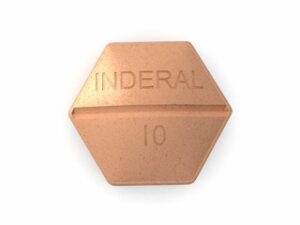
| Common Brands in Australia | Inderal, Deralin, Propral, APO-Propranolol, GenRx Propranolol |
| ATC code | C07AA05 |
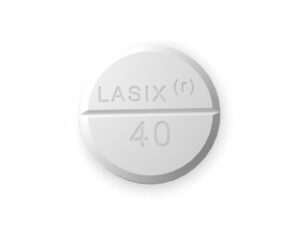
| Available Forms & Strengths | Tablets (10 mg, 40 mg, 80 mg), Oral solution (5 mg/5 mL), Sustained-release capsules (60 mg, 160 mg) |
| Manufacturers | Alphapharm, AstraZeneca, Sandoz, other generic pharmaceutical companies |
| Prescription Status (Australia) | Prescription Only Medicine (Schedule 4, Rx-only) |
Mechanism of Action
In simple terms: Propranolol belongs to a group of medicines called beta-blockers. It works by slowing down the heart and reducing its workload, helping to lower blood pressure and decrease the risk of chest pain, heart problems, and certain types of tremors.
For specialists: Propranolol is a non-selective beta-adrenergic receptor blocker, antagonising beta-1 and beta-2 receptors. Its pharmacological effects result in decreased heart rate, myocardial contractility, cardiac output, and renin release, and it also impacts peripheral resistance. The central effect helps reduce physical symptoms of anxiety.
Pharmacokinetics
- Absorption: Propranolol is quickly and well absorbed after oral administration, but significant first-pass metabolism in the liver reduces its bioavailability to 15–23%.
- Distribution: Widely distributed, including crossing the blood-brain barrier.
- Metabolism: Mainly hepatic; metabolised by CYP2D6, CYP1A2, and CYP2C19 enzymes.
- Elimination: Metabolites are excreted mostly in urine.
- Half-life: About 3–6 hours for immediate-release tablets; up to 10 hours for sustained-release formulations.
- Duration of action: 6–12 hours (immediate-release); up to 24 hours (sustained-release).
Use in Everyday Life and Best Practices
Propranolol is commonly prescribed in Australia for several conditions, including hypertension (high blood pressure), angina (chest pain), prevention of migraines, certain types of tremors, and management of physical anxiety symptoms. It is also used as part of the treatment for some types of irregular heartbeats and, less often, for specific heart conditions in children.
- Always take propranolol exactly as prescribed by your doctor or pharmacist. Do not adjust the dose or stop therapy without consult.
- Do not share your medication with others, even if they have similar symptoms.
The tablets are usually taken one to three times a day, depending on your diagnosis and the form prescribed. Sustained-release capsules are once daily. Tablets should be swallowed whole with water – do not chew or crush unless advised by your pharmacist.
Dosing in the Morning vs Evening
For best results and to reduce the chance of forgetting doses, propranolol should be taken at the same times each day. Your prescribing doctor may recommend dosing in the:
- Morning: Can minimise sleep disturbances for sensitive patients, especially with immediate-release forms that may cause vivid dreams or insomnia.
- Evening: Suitable for sustained-release forms or if a single daily dose is prescribed, especially if managing overnight symptoms such as migraine or blood pressure peaks.
Ask your doctor or pharmacist if you are unsure when to take your medicine. Set a reminder on your phone or link your dosing to a daily habit, like brushing your teeth, to improve consistency.
Taking with Food or on an Empty Stomach
Propranolol may be taken with or without food; however, food can affect its absorption. Taking propranolol with a typical Australian meal (moderate fat & fibre content) may slow absorption slightly but does not reduce overall effect. For consistency, try to take doses regularly with or without food – avoid varying this pattern often. If you have a sensitive stomach, consider taking it with food to reduce possible discomfort.
Interaction Warnings
| Substance/Drug | Interaction Effect | Advice |
|---|---|---|
| Alcohol | May enhance blood pressure-lowering effect and increase risk of side effects (dizziness). | Limit alcohol intake. |
| Caffeine (coffee, tea, energy drinks) | Can reduce propranolol effect on heartbeat/tremor control. | Moderate caffeine consumption advised. |
| Other blood pressure medicines (especially other beta-blockers, calcium channel blockers) | Can increase risk of low blood pressure or excessively slow heart rate. | Close monitoring; usually avoid combining with other beta-blockers. |
| Asthma inhalers and medicines | Propranolol may reduce effectiveness of asthma medicines, and worsen breathing. | Not routinely prescribed for people with asthma; speak to your doctor. |
| Anti-diabetic medicines (insulin, oral tablets) | May mask symptoms of low blood sugar (hypoglycaemia). | Monitor blood glucose closely; inform your diabetes team. |
| St John’s Wort, herbal supplements | May interfere with effectiveness. | Consult pharmacist/doctor before using supplements. |
Indications
| Official (TGA-approved) Uses | Off-label Uses |
|---|---|
|
|
Dosing According to Clinical Indication
| Indication | Adults (Typical) | Paediatric (Typical) | Elderly (Typical) |
|---|---|---|---|
| Hypertension | 80 mg twice daily; up to 160–320 mg/day if required | Not routinely used | Start lower dose; increase cautiously |
| Angina | 40 mg 2–3 times daily; up to 120–240 mg/day | Not routinely used | Start lower dose; monitor for bradycardia |
| Arrhythmias | 10–40 mg 3–4 times daily | 0.25–0.5 mg/kg/dose every 6–8 hours (specialist dose) | Lower starting dose |
| Migraine prevention | 40 mg twice daily; up to 160 mg/day | 1–2 mg/kg/day divided doses (specialist) | Start at lower end, titrate as needed |
| Essential tremor | 40 mg twice daily; up to 320 mg/day | Not routinely used | Usual adult dose (cautiously titrated) |
| Performance anxiety | 10–40 mg 30–60 mins before event | Rare; specialist paediatric use only | Lower adult dose |
| Infantile haemangioma | Not used | 0.5–3 mg/kg/day divided doses (specialist only) | Not applicable |
Safety Profile & Side Effects
Most people tolerate propranolol well. Side effects can be minimised by careful dosing and regular monitoring. Notify your doctor or pharmacist if you notice any concerning effects:
| Common (more than 1 in 100) | Rare/Serious (less than 1 in 1,000) | Warnings |
|---|---|---|
|
|
|
Guidelines for Proper Use
- Always take this medicine as prescribed. Do not suddenly stop taking propranolol as this can cause rebound symptoms or worsen heart problems.
- If you miss a dose, take it as soon as you remember unless it is nearly time for the next one. Do not double up doses.
- If you feel dizzy or weak, sit or lie down. If symptoms persist or you faint, seek medical attention.
- Tell your doctor or pharmacist if you develop new breathing problems or cold extremities.
- Do not drive or operate heavy machinery if you feel drowsy or dizzy.
- Regular blood pressure and heart rate checks are advised, especially for the first few weeks.
Alternative Treatment Options (PBS-reimbursed in Australia)
- Atenolol – cardio-selective beta-blocker; fewer central side effects but less suitable for migraine or anxiety
- Metoprolol – commonly used for heart failure and angina; fewer respiratory side effects
- Bisoprolol – longer acting, often preferred in heart failure
- Nadolol – non-selective, similar to propranolol; less commonly available
- Calcium channel blockers (e.g., amlodipine, verapamil) – alternative for hypertension or angina
- Antidepressants (for migraine/anxiety) – such as amitriptyline or SSRIs
Pros of propranolol: Effective for migraine, anxiety, tremor; affordable; well-studied. Cons: Not ideal for people with breathing difficulties or diabetes.
Legal, Registration, and Reimbursement Status in Australia
- Registered by the Therapeutic Goods Administration (TGA)
- Schedule 4 – prescription-only
- Reimbursed on the Pharmaceutical Benefits Scheme (PBS) for approved indications (e.g. hypertension, migraine, angina, arrhythmia)
- Not a controlled medication
- Only available on prescription from an Australian-registered GP or specialist
Latest Research & Clinical Guidance (2022–2025)
- The 2023 NHF/Australian Hypertension Society guidelines place propranolol as a secondary beta-blocker option, and first-line for younger patients with migraine or essential tremor overlap.
- Recent reviews continue to support first-choice use for paediatric infantile haemangioma (Pediatric Dermatology, 2024).
- Headache Australia and the Australian and New Zealand Headache Society (2024) recognise propranolol as a key migraine prevention therapy.
- Australian guidelines recommend caution or avoidance in asthma, type 1 diabetes, and certain psychiatric conditions.
- Meta-analyses (e.g., The Lancet Neurology 2023) support efficacy and safety for prophylactic migraine and performance anxiety at low doses.
Availability and Delivery
Propranolol tablets and sustained-release capsules are widely available from all major pharmacy groups across Australia. Pack sizes commonly dispensed include:
| Pack Size | Typical Use (days) | Indicative PBS Price (co-pay) | Major Cities Delivery Estimate |
|---|---|---|---|
| 100 tablets (40 mg) | ~33–50 days | $7.30 (general); discount card/Concession $5.30 |
|
| 60 SR capsules (160 mg) | ~60 days | $7.30 (general); discount card/Concession $5.30 | As above |
Private scripts (full price without PBS subsidy) may be $20–40 per pack, depending on brand and dosage form.
Frequently Asked Questions (FAQ)
- Can I drink alcohol while using propranolol?
It is best to limit alcohol, as it may increase dizziness or blood pressure lowering. Avoid heavy drinking, and always check with your doctor. - What if I miss a dose?
Take it as soon as you remember unless it is close to your next scheduled dose. Do not take two doses at once. - Can I stop taking propranolol suddenly?
No. Stopping abruptly can cause serious symptoms such as chest pain or sudden rise in blood pressure. Gradual tapering under a doctor’s guidance is needed. - Do I need regular tests while on propranolol?
Your doctor may request regular blood pressure and pulse checks, especially when starting or changing dose. Some people may require blood tests. - Is propranolol safe in pregnancy or breastfeeding?
Propranolol should only be used in pregnancy or breastfeeding if your doctor believes the benefit outweighs the risks – discuss family planning before starting.
Always seek advice from your Australian-registered doctor or pharmacist for personalised medical care. If you have further questions about propranolol, call your pharmacy, or use the online chat provided by your pharmacy service.