
Hygroton (Chlorthalidone): Patient-Friendly Guide for Australia
Basic Product Information
| International Nonproprietary Name (INN) | Chlorthalidone |
|---|---|
| Australia Brand Names | Hygroton®, Chlorthalidone Sandoz |
| Anatomical Therapeutic Chemical (ATC) Code | C03BA04 |
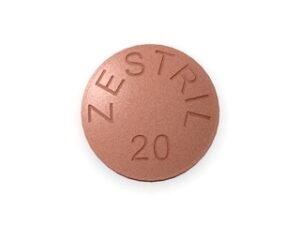
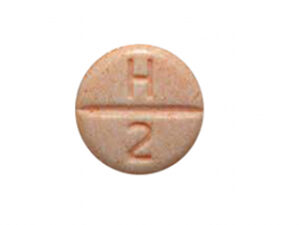
| Available Forms and Strengths | Tablet: 25 mg, 50 mg |
| Typical Australian Manufacturers | Novartis, Sandoz, Generic manufacturers |
| Prescription Status | Prescription only (Schedule 4, S4, Medicine under the Australian Poisons Standard) |
Mechanism of Action
For Patients: Chlorthalidone is a type of medicine called a thiazide-like diuretic (often called a "water tablet"). It helps your body get rid of extra salt and water by increasing how much urine you produce. This helps lower your blood pressure and reduces fluid build-up in your body.
For Specialists: Chlorthalidone acts on the distal convoluted tubule of the nephron by inhibiting sodium and chloride reabsorption. This results in increased excretion of sodium, chloride, and water, with a mild secondary loss of potassium.
Pharmacokinetics
- Absorption: Well absorbed orally, peak plasma levels reached in 2–6 hours.
- Bioavailability: Approximately 64%
- Metabolism: Not significantly metabolised. Excreted mostly unchanged in urine.
- Elimination: Renal excretion. Half-life is long—between 40–60 hours, supporting once-daily dosing.
- Duration of Action: Long, effects can last 24–72 hours after a single dose.
Use in Everyday Life and Best Practices
Chlorthalidone is usually prescribed to help control high blood pressure (hypertension), reduce swelling a from heart failure or certain kidney or liver conditions, and sometimes for other specific conditions. Typical adult starting dose is 12.5–25 mg once daily, with a maximum usual dose of 50 mg once daily. Always take as directed by your doctor.
- Take your tablet around the same time each day for best results.
- Most people take Chlorthalidone in the morning to avoid frequent urination at night.
- Never stop taking this medicine suddenly unless advised by your GP.
Dosing in the Morning vs Evening
Advantages of Morning Dosing:
- Reduces the risk of needing to urinate at night (nocturia), which can disturb sleep.
- Matches natural body rhythms for salt and fluid management.
Tip: If you forget your morning dose, take it as soon as you remember, but avoid taking it in the evening unless instructed, to prevent disturbed sleep.
Taking with Food or on an Empty Stomach
Chlorthalidone can be taken with or without food. Taking it with breakfast may help reduce stomach upset for sensitive individuals, which fits well with common Australian breakfast habits (such as porridge, toast, or fruit). Consistency is more important than exact meal timing.
Interaction Warnings
| Interacting Substance | Effect | Advice |
|---|---|---|
| Alcohol | Increases dizziness or risk of fainting due to lowered blood pressure | Limit or monitor alcohol consumption |
| NSAIDs (e.g. ibuprofen, diclofenac) | May blunt blood pressure lowering effect | Use only under guidance; monitor blood pressure |
| Other blood pressure medicines | Additive effect; may lower BP too much | GP may adjust doses |
| Diabetes medicines (insulin, tablets) | Chlorthalidone may raise blood glucose | Monitor glucose, GP may adjust diabetes meds |
| Potassium supplements or potassium-sparing diuretics | Risk of high or low potassium | Take only as advised, may require blood tests |
| Digoxin | Increased risk of heart rhythm problems | Close monitoring required |
| Lithium | Increased lithium levels (toxicity risk) | Usually avoid combining |
Indications
| Indication | Status |
|---|---|
| Hypertension (high blood pressure) | Official/Approved |
| Oedema due to heart failure | Official/Approved |
| Oedema due to nephrotic syndrome or liver cirrhosis | Official/Approved |
| Kidney stones (to lower calcium in urine) | Off-label/Common practice |
| Prevention of recurrent stroke (certain cases, adjunct) | Off-label |
Dosing According to Clinical Indications
| Indication | Usual Adult Dose | Pediatric Dose | Elderly Dose |
|---|---|---|---|
| Hypertension | 12.5–25 mg once daily (max 50 mg) | Not routinely recommended; consult specialist | Start lower: 12.5 mg/day and titrate slowly |
| Oedema (heart, kidney, liver) | 25–50 mg once daily or on alternate days | Specialist supervision | Lower dose preferred (12.5–25 mg/day) |
| Kidney Stones | 12.5–25 mg daily (off-label) | By specialist only | 12.5 mg preferred |
| Prevention of recurrent stroke | As part of combination therapy – by specialist | – | – |
Safety Profile and Side Effects
- Common side effects:
- Increased urination (especially at start)
- Dizziness, light-headedness (mainly when standing up quickly)
- Low potassium in blood (may cause tiredness, muscle cramps)
- Dehydration if you don't drink enough fluid
- Less common but need medical advice:
- Loss of appetite, nausea, stomach upset
- Headache
- Raised blood sugar or cholesterol
- Rare/serious side effects (seek urgent help):
- Severe skin rash, itching, or swelling
- Irregular heartbeat, severe muscle weakness
- Jaundice (yellowing of skin/eyes)
- Unusual levels of confusion or fainting
- Special warnings:
- Monitor electrolytes (potassium, sodium, calcium) and kidney function regularly.
- Extra caution if you have gout, diabetes, or kidney/liver problems.
- Pregnancy: Usually avoided, especially in first trimester.
- Breastfeeding: Small amounts may enter breast milk—use only if benefits outweigh risks.
Guidelines for Proper Use (Australian Practical Advice)
- Take this medicine in the morning to fit your daily routine and minimise disrupted sleep.
- Stay hydrated – especially in hot Australian summers. Drink when thirsty but avoid overhydrating.
- Eat a balanced diet with fresh vegetables, whole grains, and moderate salt (as per Heart Foundation guidelines).
- Attend regular blood pressure and blood test checks—especially when starting or adjusting your dose.
- If you get sick (particularly with vomiting, diarrhoea, or dehydration), check with your GP about temporarily stopping your medicine.
- Let your pharmacist or doctor know about any new medications, vitamins, or herbal remedies you're considering.
- Do not share your medicine – it is prescribed specifically for your health condition.
Alternative Treatment Options
- Hydrochlorothiazide (HCTZ): Less potent and shorter-acting, but sometimes preferred for milder cases. Also PBS-listed (Pharmaceutical Benefits Scheme).
- Indapamide: Another thiazide-like diuretic, often used for high blood pressure. Once-daily dosing, good safety profile.
- Loop diuretics (e.g. frusemide): More potent for fluid offloading, commonly used in heart failure. Generally not first choice for high blood pressure alone.
- Other antihypertensives (ACE-inhibitors, ARBs, beta-blockers, calcium channel blockers): Used alone or in combination. Well-established on the PBS and easy to access.
| Alternative | Pros | Cons |
|---|---|---|
| Indapamide | Similar effect, once daily, lower risk of certain side effects | Different safety issues (can lower sodium more) |
| Hydrochlorothiazide | Cheap, familiar, gentle | Shorter acting, less effective over 24 hours |
| Frusemide (Lasix) | Very effective at reducing fluid | Needs careful monitoring, more frequent dosing |
| ACE inhibitors, ARBs | Protect kidneys, heart; often first-line for hypertension | Not always suitable if you have kidney issues |
Legal, Registration and Reimbursement Status in Australia
- Regulatory Approval: Registered with the Therapeutic Goods Administration (TGA) as a prescription medicine.
- Schedule: Prescription only (Schedule 4, S4).
- Reimbursement: Widely subsidised on the Pharmaceutical Benefits Scheme (PBS) for hypertension, heart failure, and oedema indications. Your GP or specialist will write a PBS prescription where appropriate.
Latest Research and Clinical Guidance (2022–2025)
- A major Australian hypertension guideline update (Hypertension Guidelines 2023, Heart Foundation Australia) continues to recommend thiazide-like diuretics, including chlorthalidone, as highly effective for lowering blood pressure and reducing the risk of strokes and other complications.
- The 2022 British NICE Hypertension Guideline also recognises chlorthalidone as a preferred thiazide-type diuretic over hydrochlorothiazide due to longer duration of action.
- Recent meta-analyses (e.g. Zhang et al., Lancet 2023) have shown that chlorthalidone reduces long-term cardiovascular events compared to placebo and is at least as effective as other thiazides.
- Ongoing studies are refining who benefits most from chlorthalidone, especially regarding risk of side effects such as low potassium and increased blood glucose.
Availability and Delivery
- Popular pack sizes: Most pharmacies stock boxes of 30 or 90 tablets (25 mg strength).
- Indicative PBS price (subject to change): Patient co-payment for 30 tablets as of 2024 is around AU$7.30 (concessional), up to AU$30 without benefit.
- Delivery: Home delivery is offered by most community and online pharmacies for standard prescriptions.
| City | Typical Delivery Time for In-stock Medications | Pharmacy Home Delivery Availability |
|---|---|---|
| Sydney | Same day – 2 days | Yes (most areas) |
| Melbourne | Same day – 2 days | Yes |
| Brisbane | 1 – 3 days | Yes |
| Adelaide | 1 – 3 days | Yes |
| Perth, Hobart, Darwin | 3 – 5 days | Yes (location dependent) |
| Regional and Rural | 3 – 7 days | Check with local pharmacy |
Frequently Asked Questions (FAQ)
- Can I take Chlorthalidone with my other blood pressure medicines?
Yes, it's common to use Chlorthalidone with other antihypertensives. Your doctor will select the safest combination and may adjust doses. Regular blood and BP checks are important to ensure balance. - What should I do if I miss a dose?
Take it as soon as you remember that day. If it is after lunchtime, skip that dose and take your next dose as scheduled. Never double up. Let your doctor know if this happens frequently. - Is Chlorthalidone safe to use long-term?
Yes, Chlorthalidone has been proven safe and effective for many years when used under the care of your GP, with regular blood checks for electrolytes and kidney function. - Do I need to change what I eat?
Continue with a balanced, healthy Australian diet. Your GP may recommend limiting salt or monitoring potassium depending on your blood tests, but most people do not need large dietary changes. - Can I drive or operate machinery on Chlorthalidone?
If you feel dizzy or light-headed, avoid driving or using machinery until you feel better. This usually improves once your body adjusts. Always stand up slowly to avoid sudden drops in blood pressure.
Always follow your doctor's and pharmacist's advice. This page provides general guidance, not a substitute for individual medical advice. If you have questions, ask your healthcare professional or pharmacist.