Singulair (Montelukast): Comprehensive Patient Guide for Australia
Basic Product Information
- International Nonproprietary Name (INN): Montelukast
- Australia Brand Names: Singulair®, Apo-Montelukast, Montelukast Sandoz, Montelukast Mylan, others
- ATC Code: R03DC03
- Available Forms and Strengths in Australia:
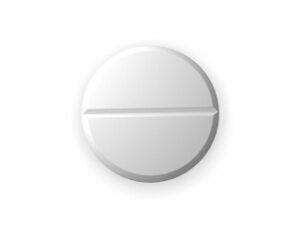
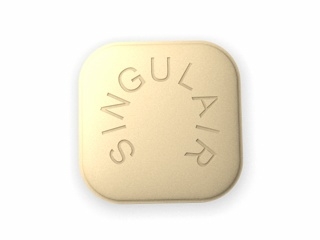
- Tablets: 10 mg
- Chewable tablets: 4 mg, 5 mg
- Granules: 4 mg (for paediatric use)
- Manufacturers: Organon/AstraZeneca, Apotex, Sandoz, Mylan, plus Australian generics
- Prescription Status: Prescription Only Medicine (Schedule 4 – S4)
Mechanism of Action
For Patients: Montelukast works by blocking natural substances called leukotrienes, which are involved in causing inflammation, narrowing, and swelling of airways in asthma and in the nose in hay fever (allergic rhinitis). By blocking leukotrienes, Montelukast makes it easier to breathe and controls allergy symptoms.
For Health Professionals: Montelukast is a selective leukotriene receptor antagonist (CysLT1). It inhibits the physiologic actions of leukotriene D4 and related mediators by binding to cysteinyl leukotriene receptors in the airway, resulting in reduced bronchoconstriction, vascular permeability, and inflammatory cell influx.
Pharmacokinetics
- Absorption: Rapidly and well absorbed. Peak plasma concentrations reached in 2–4 hours for tablets and 2 hours for chewables under fasting conditions.
- Metabolism: Extensively metabolised in the liver (CYP3A4, CYP2C8, CYP2C9 enzymes).
- Excretion: Mostly via bile and faeces; minimal renal excretion.
- Elimination Half-life: 2.7–5.5 hours in healthy adults; longer in children.
- Duration of Action: 24 hours; suitable for once-daily dosing.
Use in Everyday Life and Best Practices
- Typical Adult Dose for Asthma: 10 mg tablet once daily, usually in the evening.
- Paediatric Dosage: 2–5 years: 4 mg granules or chewable; 6–14 years: 5 mg chewable; age 15+: 10 mg tablet.
- How to Use: Take Singulair exactly as prescribed. It is a maintenance medication, not for sudden asthma attacks. Continue using preventers (like inhaled steroids) unless advised otherwise.
- Missed Dose: If you forget a dose, take it as soon as possible. If nearly time for the next dose, skip the missed dose. Do not double up.
Dosing in the Morning vs Evening
For asthma, dosing is typically in the evening, as asthma symptoms often worsen overnight. For hay fever or allergies without asthma, singulair can be taken at a convenient time, but taking it at the same time daily helps with habit and effectiveness. There is no significant difference in efficacy based on food timing for most patients.
- Evening dosing: Preferred in asthma—may better control overnight symptoms.
- Morning dosing: Suitable for allergic rhinitis, or if it helps with medication routine.
- Consistency is key for best results.
Taking with Food or on an Empty Stomach
Montelukast can be taken with or without food. In Australian practice, it is common to take it with an evening meal for convenience, but food does not significantly affect absorption. If using chewable tablets, avoid eating foods containing phenylalanine if you have phenylketonuria, as some brand formulations may include aspartame.
Interaction Warnings
| Substance | Interaction | Guidance |
|---|---|---|
| Food | No clinically significant interaction | Can be taken with or without meals |
| Alcohol | No direct interaction | Excessive use may worsen asthma control or side effects |
| Phenobarbital, Rifampicin | May lower montelukast levels | Doctor may adjust dose if necessary |
| Carbamazepine, Phenytoin | May reduce efficacy | Discuss with your prescriber |
| Warfarin | No significant interaction reported | Monitor as for any new medication |
| Other asthma medicines | No major interactions | Safe to use with inhaled corticosteroids, bronchodilators |
Indications for Use
| Population | Indications (PBS Listed) | Off-label/Other (Non-PBS) |
|---|---|---|
| Adults & Children (from 6 months for granules) |
|
|
Dosing According to Indication
| Indication | Age Group | Form & Strength | Typical Dose |
|---|---|---|---|
| Asthma (maintenance) | Adults & teens (15+) | Tablet 10 mg | 10 mg once daily (evening preferred) |
| Asthma (maintenance) | Children 6–14 yrs | Chewable tablet 5 mg | 5 mg once daily (evening) |
| Asthma (maintenance) | Children 2–5 yrs | Chewable/Granules 4 mg | 4 mg once daily (evening) |
| Allergic rhinitis | Adults | Tablet 10 mg | 10 mg once daily (any time) |
| Elderly | All | Usual adult dose | No dose adjustment needed |
Safety Profile and Side Effects
Montelukast is generally well tolerated. However, some individuals may experience side effects, as detailed below:
| Frequency | Side Effects | Notes/Warnings |
|---|---|---|
| Common (>1%) |
| Usually mild and resolve on their own |
| Uncommon (<1%) |
| Contact your doctor if persistent |
| Rare (<0.1%) |
| Seek urgent medical advice if serious symptoms develop |
- Montelukast is not a rescue medication for sudden/asthma attacks. Always carry a reliever puffer if prescribed.
- Neuropsychiatric adverse effects, though rare, may occur; seek professional advice if mood or behaviour changes.
- Report any unusual symptoms, especially in children.
Guidelines for Proper Use (Australia Context)
- Store Montelukast below 30° C, out of reach of children, in its original packaging until use.
- Adhere strictly to your doctor/pharmacist’s instructions; do not share with others.
- Continue your inhaled steroids or other prescribed asthma therapies unless told otherwise.
- In Australia, hay fever often worsens in spring (due to pollen). If using for allergies, start before peak season.
- For granules, can be given mixed with a spoonful of soft food (e.g., apple puree) but must be administered within 15 minutes—do not store mixture for later.
- Annual flu vaccination is recommended for people with asthma in Australia.
Alternative Treatment Options (Australia)
- For Asthma:
- Inhaled corticosteroids (ICS): e.g. Fluticasone (Flixotide®), Budesonide (Pulmicort®). First-line for persistent asthma.
- Combination ICS/LABA inhalers: e.g. Seretide®, Symbicort®, Breo Ellipta®.
- Other preventer tablets: Theophylline (rare, more frequent monitoring required).
- For Allergic Rhinitis:
- Intranasal corticosteroids: e.g. Fluticasone, Mometasone, Budesonide.
- Antihistamines: Cetirizine (Zyrtec®), Loratadine (Claratyne®), Fexofenadine (Telfast®).
- Cromones: Sodium cromoglycate nasal spray (rarely used).
- Pros & Cons:
- Montelukast is particularly useful in people who cannot tolerate inhaled steroids or have predominant allergies.
- Inhalers are more effective as first-line controller therapy for asthma management.
- For allergy management, antihistamines or nasal sprays may offer quicker relief of acute symptoms.
Legal, Registration, and Reimbursement Status in Australia
- Regulator: Therapeutic Goods Administration (TGA)
- PBS Listing: Montelukast is subsidised on the Pharmaceutical Benefits Scheme (PBS) for approved indications (asthma, allergic rhinitis in children aged 2–14 years)
- Prescription Only: Schedule 4 (S4) medicine; available only with a valid Australian prescription
- Not controlled (non-Schedule 8/9), but supply and advertising are regulated
Latest Research & Clinical Guidance (2022–2025)
Recent Australian and international asthma guidelines (e.g., National Asthma Council Australia, GINA 2023) continue to endorse montelukast as an add-on or alternative for mild persistent asthma, especially when inhaled corticosteroids are either not tolerated or not desired. Mental health side effect warnings—particularly in paediatric use—are now standard, reflecting reports of neuropsychiatric effects.
Several studies to 2025 confirm montelukast’s modest effects on symptom control, but highlight that inhaled corticosteroids remain superior for asthma. For seasonal allergic rhinitis, montelukast remains comparable to antihistamines and may be useful in people with both asthma and rhinitis.
- National Asthma Council Australia (2024 update): Montelukast “should not be used in preference to regular inhaled corticosteroids, but may be a useful adjunct.”
- Therapeutic Goods Administration (TGA), “Montelukast and Neuropsychiatric Events Safety Review” (2022): Confirmed safety profile with new warning label requirements.
- British Thoracic Society/GINA guidance (2023/2024): Recommend shared decision making with patient/parent regarding relative benefits and risks.
Availability and Delivery (Australia)
Montelukast is widely available in both urban and rural areas of Australia, by prescription. Most pharmacies stock commonly prescribed forms. Deliveries are available via major pharmacy chains, with postal/timeframes as below.
| Pack Size (PBS/Pricing) | Common Retail Price (A$)* | Estimated Delivery (Metro†/Rural) |
|---|---|---|
| 10 mg tablets, 28 | $15.00 – $22.00 (PBS co-pay may apply) | Sydney: 1–2 days Melbourne: 1–2 days Brisbane/Perth/Adelaide: 2–3 days Rural & remote: 3–5 days |
| 5 mg chewables, 28 | $16.00 – $24.00 | As above |
| 4 mg granules, 28 sachets | $18.00 – $26.00 | As above |
- *PBS eligible patients pay only the government-subsidised co-payment amount
- †Metro = capital city metropolitan area
Frequently Asked Questions (FAQ)
1. How long does it take for Singulair (Montelukast) to work?
Some patients notice improvement in allergy symptoms or asthma control within a day or two, but for full benefit, regular use for 1–2 weeks may be needed. Always continue your medication as advised by your doctor.
2. Can Singulair be used to treat sudden asthma attacks?
No, Singulair does not provide immediate relief and should not be used as a reliever. Always carry and use your fast-acting bronchodilator (e.g., salbutamol puffer) for acute symptoms.
3. What should I do if I miss a dose?
Take the missed dose as soon as you remember, unless it is close to your next scheduled dose. In that case, skip and continue as normal. Do not take a double dose.
4. Is Singulair safe during pregnancy and breastfeeding?
Montelukast is category B1 in Australia. Safety data is reassuring but limited; use in pregnancy or breastfeeding should be discussed with your doctor.
5. Can I take Montelukast with my other allergy or asthma medicines?
Yes, Montelukast is compatible with most asthma/allergy medications, including inhalers and antihistamines. Always inform your healthcare provider about all medicines you are taking.