
Praziquantel: Patient-Friendly Guide for Australian Use
Basic Product Information
| International Nonproprietary Name (INN) | Praziquantel |
|---|---|
| Australian Brand Names | Biltricide®, Praziquantel Sandoz, Praziquantel Apotex |
| ATC Code | P02BA01 |
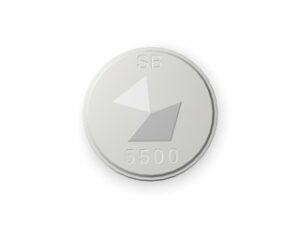
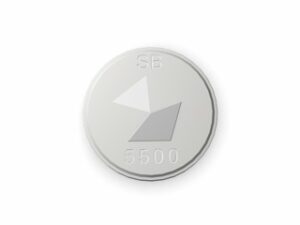
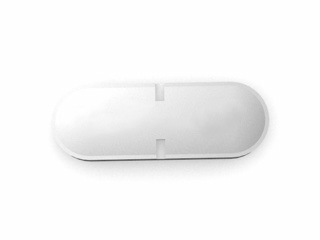
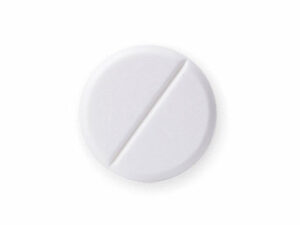
| Available Forms and Strengths | Oral tablets: 600 mg |
| Manufacturers | Bayer Australia Ltd, Sandoz, Apotex, and other generic manufacturers |
| Prescription Status in Australia | Prescription only (Schedule 4: Prescription Medicine) |
Mechanism of Action
In simple terms: Praziquantel works by affecting the way certain parasitic worms (helminths) move and survive in the human body. It targets the parasites’ outer coating, causing them to spasm and eventually die. The body’s natural processes then remove these dead parasites.
For specialists: Praziquantel increases the permeability of the cell membranes of susceptible helminths to calcium ions, resulting in rapid contraction of the musculature, vacuolisation, and death of the parasite, particularly effective against Schistosoma and most cestodes. This leads to dislodgment and expulsion from host tissues.
Pharmacokinetics
- Absorption: Well absorbed orally, with peak plasma concentrations reached within 1–2 hours after ingestion.
- Metabolism: Extensively metabolised in the liver, primarily by CYP3A4 enzymes.
- Elimination: Excreted mostly as metabolites via urine (80%); less than 0.1% excreted unchanged.
- Duration of Action: Biological half-life approximately 1–1.5 hours. Effects on parasites generally last up to 24 hours post-dose.
Use in Everyday Life and Best Practices
Praziquantel is typically prescribed for confirmed parasitic worm infections, such as schistosomiasis, liver flukes, or tapeworms. It is usually taken as a single day of treatment, with 1–3 divided doses, depending on the infection type. Tablets should be swallowed whole with water and, if needed, can be broken or crushed for children or those with swallowing difficulties.
- Follow your doctor’s dosing instructions carefully. Do not skip doses, and take the full course, even if you start to feel better.
- If you miss a dose, take it as soon as you remember unless it’s nearly time for your next dose. Do NOT double up doses.
- Remember, only take if prescribed—self-medicating for suspected worm infections is not recommended.
Dosing in the Morning vs Evening
Morning use: May coincide with regular routines and reduces risk of missed doses. Because some people may experience drowsiness or mild dizziness, it is recommended to avoid activities requiring alertness directly after the dose.
Evening use: Preferred if the patient tolerates drowsiness better at night or to maintain family routines (e.g., administering to children after school hours).
- Tip: Try to take doses at the same time each day, with or after a meal, for the best absorption and effectiveness.
Taking with Food or on an Empty Stomach
Praziquantel should be taken with food, as this increases drug absorption and helps reduce gastrointestinal side effects. In the Australian context, it is suitable to have with meals typical to your diet, including breakfast cereals, toast, or main meals containing proteins or grains.
- Avoid taking on an empty stomach, as absorption may be reduced and you may be more likely to experience stomach upset.
- You do not need any special diet unless advised by your healthcare provider.
Interaction Warnings
Inform your doctor or pharmacist of all the medicines and supplements you take, including over-the-counter and alternative remedies. Some substances can affect how praziquantel works or increase the risk of side effects.
| Interacting Substance | Type of Interaction | Precaution |
|---|---|---|
| Carbamazepine, phenytoin, phenobarbital (antiepileptics) | Reduced praziquantel effectiveness | Avoid or monitor; may require dose adjustment |
| Rifampicin (antibiotic) | Reduced praziquantel effectiveness | Contraindicated; discuss alternatives with your doctor |
| Cimetidine (stomach acid reducer) | Increased praziquantel levels | Monitor for side effects; possible dose adjustment |
| Alcohol | Increased central nervous system side effects | Avoid alcohol during treatment |
| St John’s Wort (herbal) | Reduced praziquantel effectiveness | Avoid |
Indications
| Condition | Official Indication | Off-label or Emerging Use |
|---|---|---|
| Schistosomiasis | Yes | – |
| Liver flukes (e.g., Clonorchis, Opisthorchis) | Yes | – |
| Tapeworm (Taenia, Diphyllobothrium) | Yes | – |
| Neurocysticercosis | No | Common off-label use under specialist supervision |
| Paragonimiasis (lung fluke) | Yes | – |
Dosing According to Clinical Indications
| Condition | Standard Adult Dose | Paediatric Dose | Elderly/Special Considerations |
|---|---|---|---|
| Schistosomiasis | 40 mg/kg as a single dose, or split into 2 doses 4–6 hours apart | Same as adult dose, adjusted for weight | As for adult; monitor renal/hepatic function |
| Liver fluke | 75 mg/kg per day in 3 divided doses for 1 day | Same as adult dose, adjusted for weight | As for adult; caution if liver impairment |
| Tapeworm | 5–10 mg/kg as a single dose | Same as adult dose, adjusted for weight | As for adult |
| Paragonimiasis | 75 mg/kg per day in 3 divided doses for 2–3 days | Same as adult dose, adjusted for weight | As for adult |
Safety Profile & Side Effects
Praziquantel is generally well tolerated, but some people may experience side effects.
| Side Effect | Frequency | Notes/Warnings |
|---|---|---|
| Abdominal pain, nausea, diarrhoea | Common (>1 in 10) | Often mild, pass in 1–2 days |
| Dizziness, drowsiness, headache | Common | Avoid driving, machinery if affected |
| Fever, fatigue, muscle or joint pain | Occasional | Related to immune reaction to dying parasites |
| Allergic reactions (rash, itching, swelling) | Rare (<1 in 1,000) | Seek immediate medical help |
| Liver enzyme elevation/jaundice | Very rare | Monitor if history of liver disease |
| Seizures | Very rare | Notify doctor immediately if you experience any neurological changes |
Guidelines for Proper Use
- Always finish the entire prescribed course even if symptoms improve.
- If you vomit within one hour of taking a dose, repeat the dose and inform your prescriber.
- Store at room temperature, away from moisture and out of reach of children.
- Do not share your medicine with others.
- For children and the elderly, tablet splitting or crushing may make swallowing easier—ask your pharmacist for advice.
Alternative Treatment Options
Alternative medicines for similar parasitic infections in Australia may include:
- Mebendazole: Used primarily for roundworm and hookworm infections, not effective against schistosomiasis or flukes.
- Albendazole: Used off-label for some tapeworms and neurocysticercosis, but less effective for schistosomiasis.
- Niclosamide: Specialist use for some tapeworms; rarely used in Australia.
Praziquantel remains the first-line treatment on the Pharmaceutical Benefits Scheme (PBS) for most schistosomiasis, some liver fluke, and tapeworm infections.
Legal, Registration, and Reimbursement Status in Australia
- Registered for use by the Therapeutic Goods Administration (TGA).
- Listed on the Pharmaceutical Benefits Scheme (PBS) for some indications (check with your healthcare provider regarding costs and eligibility).
- Prescription-only medicine (Schedule 4); not available over the counter for self-treatment.
- Consult your GP or infectious disease specialist before use.
Latest Research and Clinical Guidance (2022–2025)
- The World Health Organization (WHO) continues to recommend praziquantel as the gold standard for mass schistosomiasis control programs (WHO 2022).
- Australian therapeutic guidelines (eTG Complete, 2023) endorse praziquantel as the drug of choice for schistosomiasis and cestode infections.
- Recent systematic reviews (Lancet Infect Dis 2023) confirm efficacy and safety in pregnancy and children above 1 year old.
- Research into single high-dose vs divided dosing shows similar efficacy, with divided doses sometimes producing fewer gastrointestinal side effects (Cochrane, 2024).
- Emerging studies on resistance are being monitored, but no significant resistance has been documented in Australian practice as of 2025.
Availability and Delivery
| Pack Size | Indicative Price (AUD, PBS) | Delivery Time (Sydney) | Delivery Time (Melbourne) | Delivery Time (Brisbane) | Delivery Time (Perth) |
|---|---|---|---|---|---|
| 6 tablets (600 mg each) | $35–$45 (with PBS subsidy) | 1–2 business days | 1–2 business days | 1–2 business days | 3–4 business days |
| 12 tablets | $60–$80 (with PBS subsidy) | 1–2 business days | 1–2 business days | 1–2 business days | 3–4 business days |
Availability may vary by pharmacy; larger orders or rural/remote deliveries may take longer—ask your local pharmacist for specific times and prices.
Frequently Asked Questions (FAQ)
- Can I give praziquantel to my child?
Yes, praziquantel can be used in children (usually >1 year old). Dose must be carefully calculated by weight. Always follow paediatric dosing instructions from your doctor or pharmacist. - Do I need a prescription for praziquantel in Australia?
Yes, praziquantel is a Schedule 4 (prescription-only) medicine in Australia. You cannot buy it over the counter. - Can I drink alcohol while taking praziquantel?
No, it’s best to avoid alcohol as it can increase the risk of unpleasant side effects, such as dizziness and nausea. - What should I do if I miss a dose?
Take it as soon as you remember, unless it is nearly time for your next dose. Do not take two doses at once. If you are unsure, consult your pharmacist or doctor. - What happens if I experience side effects?
Most side effects are mild and resolve within a day or two. However, if you have a rash, swelling of the face/throat, severe dizziness, or trouble breathing, seek immediate medical help.
For more information: Discuss any concerns with your GP, pharmacist, or infectious disease specialist. For up-to-date Australian guidelines, visit the Therapeutic Goods Administration or consult the PBS database.