
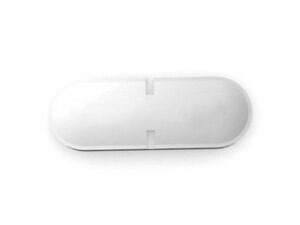

Metronidazole – Patient Information and Guide (Australia)
Basic Product Information
| Active ingredient (INN) | Metronidazole |
|---|---|
| Common brand names (Australia) | Flagyl®, Metrogyl®, Rozex® (topical), Trichozole® |
| ATC Code | J01XD01 |
| Available forms & strengths | Tablets: 200 mg, 400 mg, 500 mg Oral suspension Infusion (I.V.): 500 mg/100 mL Vaginal gel/cream: 0.75%, 1% Topical cream/gel: 0.75%, 1% |
| Common manufacturers | Sanofi-Aventis, Arrow Pharma, Bausch + Lomb, Apotex |
| Prescription status (Australia) | S4 – Prescription Only Medicine. Not available for over-the-counter purchase. |
Mechanism of Action
- For Patients: Metronidazole works by killing bacteria and parasites that cause infections. It disrupts their DNA, stopping them from multiplying and surviving.
- For Specialists: Metronidazole is reduced in anaerobic microorganisms to its active metabolites, which interact with DNA to cause strand breakage and cell death. It has antimicrobial activity primarily against obligate anaerobes and certain protozoa.
Pharmacokinetics
- Absorption: Well absorbed (~100%) after oral administration; peak plasma levels 1–3 hours post-dose.
- Distribution: Widely distributed (including saliva, bile, semen, vaginal secretions, CSF, and crossing the placenta).
- Metabolism: Mainly by the liver (hepatic metabolism via oxidation and conjugation).
- Elimination: Primarily via urine (renal), with a half-life of 6–9 hours (longer in liver impairment).
- Duration of action: Most infections respond within 7–14 days of therapy; single-dose options exist for some indications.
How to Use Metronidazole in Everyday Life
- Dosing frequency: Commonly 2–3 times daily (tablets, capsules). Topical forms: once or twice daily as directed.
- Timing: To maintain effective blood levels, space doses at regular intervals (e.g., every 8 or 12 hours).
- Duration: Complete the full course even if you feel better to avoid recurrence or resistance.
- Missed dose: Take as soon as remembered unless nearly time for next dose. Never double up.
- Storage: Store at room temperature away from moisture and direct sunlight.
Dosing in the Morning vs Evening
- Metronidazole can be taken at any time, but should be taken at the same times each day for consistency.
- Some patients may prefer morning and evening doses to fit with routine meals, but bedtime dosing may reduce stomach upset.
- Spacing doses evenly improves effectiveness. For three times daily dosing, aim for breakfast, mid-afternoon, and night.
Effect of Meals & Recommendations for the Australian Lifestyle
- Metronidazole can be taken with or without food.
- Taking with meals or a glass of milk may reduce stomach upset, which is the most common side effect.
- There are no specific diet restrictions; continue with regular English/Australian diet unless advised otherwise.
- Avoid alcohol (beer, wine, spirits, even small amounts in food) during therapy and for at least 24–72 hours after the last dose due to risk of severe reactions.
Interaction Warnings
| Item | Description | What to Do |
|---|---|---|
| Alcohol | Combining with alcohol can cause severe reactions (nausea, vomiting, flushing, headache). | Avoid all forms of alcohol and alcohol-containing food/medication during and for 72 hours after treatment. |
| Warfarin & other anticoagulants | May increase risk of bleeding by enhancing anticoagulant effect. | INR monitoring, inform your doctor if you are taking blood thinners. |
| Phenytoin, phenobarbital | May lower metronidazole levels; phenytoin levels may rise. | Your doctor may adjust your dose and monitoring. |
| Disulfiram | Risk of acute psychosis and confusion. | Do not use together. |
| Other interactions | Cimetidine (increases levels), lithium (risk of toxicity), ciclosporin, busulfan. | Tell your healthcare provider about all medicines you use. |
Indications for Use
| Official, TGA-Approved Uses | Common Off-Label/Guideline Uses |
|---|---|
|
|
Dosing According to Indication
| Indication | Typical Adult Dose | Paediatric Dose | Elderly Dose |
|---|---|---|---|
| Anaerobic infection (systemic) | 400–500 mg orally every 8–12h, or IV 500 mg every 8–12h, usually 7–10 days | 7.5 mg/kg every 8h (max 400 mg/dose), duration as adult | As adult; reduce dose if liver impairment |
| Bacterial vaginosis | 400 mg twice daily or 2 g as single dose | Not usually indicated | As adult |
| Trichomoniasis | 2 g as single dose or 400 mg twice daily for 5–7 days | 5–7 mg/kg twice daily for 7 days | As adult |
| Giardiasis/amebiasis | 2 g once daily for 3 days or 400 mg three times daily for 7–10 days | 30–50 mg/kg/day divided every 8h | As adult |
| Rosacea (topical) | Apply thin film to affected area once to twice daily | Not established | As adult |
Safety Profile & Side Effects
- Common (1–10%):
- Nausea, vomiting, diarrhoea
- Metallic taste
- Loss of appetite
- Headache
- Abdominal cramps
- Dark urine
- Rare but serious (<1%):
- Seizures, peripheral neuropathy (tingling, numbness)
- Severe allergic reaction (rash, swelling, difficulty breathing)
- Pancytopenia, liver toxicity
- Encephalopathy (very rare)
- Warnings: Avoid alcohol during treatment and for at least 72 hours after last dose; caution in liver disease, pregnancy (esp. 1st trimester), CNS conditions.
Guidelines for Proper Use
- Take at evenly spaced intervals and finish the full prescribed course.
- Do not drive or operate heavy machinery if you feel drowsy, dizzy, or confused.
- If you develop tingling, numbness, a painful rash, or persistent vomiting/diarrhoea, inform your healthcare provider promptly.
- For topical and vaginal use, wash hands before and after application and avoid getting the medication in your eyes.
- Inform your doctor/pharmacist if you are pregnant, planning pregnancy, or breastfeeding.
- Dispose of any unused medicine safely through your pharmacy – do not flush or throw in household rubbish.
Alternative Treatment Options in Australia
| Condition | Alternative Medication (Generic/Brand) | Reimbursement Status | Pros & Cons |
|---|---|---|---|
| Bacterial vaginosis | Clindamycin, Tinidazole | PBAC-listed | Tinidazole similar to metronidazole but longer half-life. Clindamycin may cause more GI side effects. |
| Trichomoniasis | Tinidazole | PBAC-listed | Similar efficacy but more expensive; single-dose option. |
| Giardiasis/amebiasis | Tinidazole, Nitazoxanide | Not all are PBS reimbursed | Nitazoxanide approved for children but less experience in adults; tinidazole as above. |
| Rosacea | Azelaic acid, ivermectin (topical) | PBS subsidised | Azelaic acid has fewer side effects; ivermectin more costly and reserved for severe cases. |
| Anaerobic infections | Clindamycin, amoxicillin-clavulanate | PBS subsidised | Amoxicillin-clavulanate has broader spectrum but may cause more GI upset; clindamycin risk of C. difficile colitis. |
Legal, Registration, and Reimbursement in Australia
- Metronidazole is registered by the TGA (Therapeutic Goods Administration) for both oral and topical/vaginal indications.
- Prescription required from a registered health practitioner (doctor, nurse practitioner, dentist for dental indications) – S4 substance.
- Most oral and topical forms are reimbursed under the Pharmaceutical Benefits Scheme (PBS) for relevant indications.
- Applicable cost varies depending on concession status and pack size.
- Unlawful to supply without a prescription.
Latest Clinical Guidance and Research (2022–2025)
- Antimicrobial Stewardship: Recent TGA/PBAC guidance emphasises only using antibiotics for confirmed need, shortest effective course, and importance of patient adherence.
- Clostridioides difficile: 2023 Australian guidelines now prefer vancomycin or fidaxomicin as 1st line for severe CDI in adults, reserving metronidazole for mild/moderate cases or when others not available.
- Rosacea: Topical metronidazole remains first-line for mild-to-moderate papulopustular rosacea, per Australasian College of Dermatologists 2024 statement.
- Bacterial vaginosis: Metronidazole (oral/vaginal) remains gold standard for primary and relapse management (Therapeutic Guidelines: Antibiotic, 2023).
- Pregnancy: Short courses deemed safe in pregnancy after first trimester based on meta-analysis (Lancet Infect Dis 2023;23(2):e162–e174).
Availability and Delivery in Australia
| Pack Size | Common Uses | Indicative Retail Price* |
|---|---|---|
| 21 x 400 mg tablets | Anaerobic infection (7 days) | $8–$15 (PBS/repeat, private: $15–$25) |
| 14 x 500 mg tablets | Bacterial vaginosis, pelvic infection | $8–$22 |
| 1 topical tube (30 g, 0.75%) | Rosacea | $11–$19 |
| 5 x 100 mL IV infusion bags | Hospital use | Hospital supply only |
*Indicative prices as of June 2024. Actual prices may vary by pharmacy, location, and concession status.
| City | Estimated Delivery Time (Online Pharmacy)* |
|---|---|
| Sydney | 1–2 business days |
| Melbourne | 1–2 business days |
| Brisbane | 1–3 business days |
| Adelaide | 2–4 business days |
| Perth | 3–5 business days |
| Regional/Rural | 2–7 business days |
*Express or next-day delivery may be available in some metro areas; prescription must be provided.
Frequently Asked Questions (FAQ)
- Can I drink alcohol while taking metronidazole?
It is important to avoid all alcoholic drinks (beer, wine, spirits) and alcohol-containing foods or medicines during treatment and for at least 24–72 hours after your last dose. Combining metronidazole and alcohol can cause nausea, vomiting, and severe reactions. - What should I do if I miss a dose?
If you miss a dose, take it as soon as you remember. If it’s almost time for your next dose, skip the missed one—do not take a double dose. Continue as normal and finish the full course. - Can I use metronidazole during pregnancy or breastfeeding?
Short courses are considered safe during pregnancy (especially after the first trimester). Discuss with your doctor if you are pregnant or breastfeeding, as benefits and risks depend on your specific circumstances. - What foods should I avoid?
There are no specific food restrictions except for avoiding alcohol-containing foods (certain sauces, desserts, or dressings). You can maintain your regular Australian diet. - What side effects should I watch out for?
Mild nausea, headache, or metallic taste are common, especially at the start. If you develop rash, severe diarrhoea, numbness, or persistent vomiting, seek medical advice urgently.
For personalised advice, always consult your doctor or pharmacist. Keep this information for your own reference and share it with your healthcare provider if asked.