Effexor XR (Venlafaxine): Comprehensive Patient Information for Australia
Basic Product Information
| International Non-Proprietary Name (INN) | Venlafaxine |
|---|---|
| Australia Brand Names | Effexor XR, Enlafax XR, Arrow-Venlafaxine XR, Vent. Others may exist as generics. |
| ATC Code | N06AX16 |
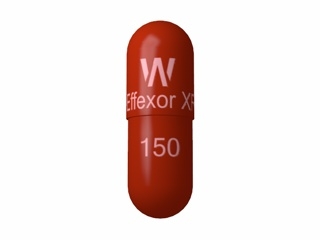
| Available Forms & Strengths | Extended-release (XR) capsules in 37.5 mg, 75 mg, and 150 mg strengths |
| Manufacturers | Pfizer Australia and various approved generic manufacturers |
| Prescription Status | Prescription-only medicine (Schedule 4, S4) |
Mechanism of Action
For Patients: Effexor XR (venlafaxine) is an antidepressant. It works by helping to restore the balance of certain natural chemicals (neurotransmitters) in your brain that affect mood and feelings of wellbeing, especially serotonin and noradrenaline.
For Specialists: Venlafaxine is a serotonin-noradrenaline reuptake inhibitor (SNRI). At lower doses, it predominantly inhibits serotonin reuptake; at higher doses, noradrenaline inhibition becomes more significant. Minimal effect on other neurotransmitter systems.
Pharmacokinetics
- Absorption: Well absorbed orally, with peak plasma concentrations occurring within 5–9 hours after dosing of XR forms.
- Bioavailability: Approximately 45% due to first-pass hepatic metabolism.
- Metabolism: Extensively metabolised in the liver, primarily via CYP2D6 and CYP3A4, to active metabolite O-desmethylvenlafaxine (ODV).
- Elimination: Renal excretion (87%), with both parent drug and metabolite.
- Half-life: Venlafaxine: ~5 hours; ODV: ~11 hours (substantially extended with the XR formulation, allowing for once-daily dosing).
- Duration of Action: 24 hours (XR). Missed doses may result in withdrawal symptoms due to the relatively short half-life.
Use in Everyday Life and Best Practices
How to Take:
Effexor XR is typically taken once daily, at the same time each day, swallowing the capsule whole with water. Do not chew, crush, or divide the capsules, as this interferes with the extended-release mechanism.
Typical Adult Dosing:
Initial dose is 75 mg once daily. Your doctor may start at 37.5 mg for the first few days and gradually increase. The dose may be increased in small steps every 2–4 weeks, up to 225 mg daily for depression or 375 mg for more severe cases under specialist supervision. Always follow your doctor’s instructions.
Children and Adolescents: Not routinely recommended except under specialist care, usually for severe cases of depression or anxiety after other options.
Older Adults: Lower starting doses are usually preferred. Renal or hepatic impairment may require further dose adjustment.
- Never stop venlafaxine suddenly without consulting your healthcare provider due to risk of withdrawal symptoms.
- If you miss a dose, take it as soon as you remember. If it’s nearly time for your next dose, skip the missed dose; never double-dose.
- Continue Effexor XR for as long as your doctor has directed, usually several months or more even if you feel better, to prevent relapse.
Dosing: Morning vs Evening
- Morning: Preferred by most people to minimise risk of insomnia or sleep disruption. Can help align medication effect with day-to-day activities.
- Evening: Sometimes chosen if drowsiness is troublesome. However, venlafaxine can cause sleep disturbance; consult your doctor before changing time of dose.
- Tip: Take at similar times each day for best results; set a daily reminder to avoid missing doses.
Taking with Food or on an Empty Stomach
- Effexor XR can be taken with or without food.
- Taking with food (e.g., breakfast or dinner) may help reduce stomach upset — common in Australians with more sensitive stomachs or who experience nausea at the start of therapy.
- There’s no specific dietary restriction, but consistent habits may help ensure better absorption and compliance.
Interaction Warnings
| Item | Interaction / Caution |
|---|---|
| Alcohol | Can increase side effects such as drowsiness and reduce alertness. Limit alcohol; avoid heavy drinking. |
| Other Antidepressants (SSRIs, MAOIs, St John's Wort) | Risk of serotonin syndrome – do not combine without specialist advice. |
| Blood Thinners (warfarin, aspirin, NSAIDs) | Increased risk of bleeding; notify your doctor. |
| Medicines for migraine (Triptans) | Higher risk of serotonin syndrome; seek medical advice. |
| Antiarrhythmics (e.g. amiodarone) | Monitor ECG if co-prescribed due to QT prolongation risk. |
| Cimetidine | Can raise levels of venlafaxine – may require dose adjustment. |
| Herbal Supplements (St John's Wort) | High risk of serotonin syndrome; avoid. |
| Grapefruit Juice | No significant interaction, but moderation is advised. |
Indications
| Indication | Approved in Australia? | Typical Dose |
|---|---|---|
| Major Depressive Disorder (MDD) | Yes | 75–225 mg/day |
| Generalised Anxiety Disorder (GAD) | Yes | 75–225 mg/day |
| Social Anxiety Disorder (Social Phobia) | Yes | 75–225 mg/day |
| Panic Disorder | Yes | 75–225 mg/day |
| Off-label: Migraines, vasomotor symptoms (e.g., hot flushes) | Not TGA approved, but sometimes used under specialist guidance | Usually 37.5–150 mg/day |
Dosing According to Clinical Indication
| Population | Typical Starting Dose | Maximum Dose | Comments |
|---|---|---|---|
| Adults | 37.5–75 mg once daily | 225 mg/day (may be increased to 375 mg/day in severe cases) | Increased gradually every 2–4 weeks |
| Older Adults (>65 years) | 37.5 mg once daily | Up to 225 mg/day | Cautious titration, monitor closely for side effects |
| Children/Adolescents | Start at lowest dose - specialist initiation only | As advised by paediatric psychiatrist | Generally not first-line; careful weighing of risk vs benefit |
| Hepatic/Renal Impairment | 50% normal starting dose | Maximum 75–112.5 mg/day (individualised) | Requires dose adjustment and close monitoring |
Safety Profile and Side Effects
- Common Side Effects (>10% of users):
- Nausea
- Headache
- Dry mouth
- Sweating (including night sweats)
- Sleep disturbances (insomnia or drowsiness)
- Dizziness
- Loss of appetite, mild weight loss
- Sexual dysfunction (decreased libido, trouble achieving orgasm)
- Less Common/Rare Side Effects:
- Raised blood pressure (monitor regularly, especially on higher doses)
- Abnormal dreams
- Tremor, nervousness
- Increased cholesterol
- Mild increase in heart rate or palpitations
- Hyponatraemia (more likely in elderly or on water tablets)
- Eye problems (angle-closure glaucoma – rare)
- Warnings:
- Risk of serotonin syndrome if combined with certain medications
- Withdrawal symptoms (headache, flu-like symptoms, insomnia, irritability, agitation) if stopped suddenly — must be tapered gradually
- Rare risk of increased suicidal thoughts in young adults (monitor closely)
- Report immediately: severe headache, chest pain, fast/irregular heartbeat, or new eye pain/blurred vision
Guidelines for Proper Use
- Take Effexor XR exactly as your doctor or pharmacist prescribes. Do not alter doses on your own.
- Do not open, crush, or chew the capsule contents.
- If you experience persistent side effects, speak to your prescriber for advice — never stop suddenly.
- Keep regular appointments with your GP for blood pressure, mood, and side effect check-ups.
- Inform your doctor about any other medications or supplements you take, including over-the-counter and herbal remedies.
- Venlafaxine may impair alertness; use caution with driving or operating heavy machinery until you know how it affects you.
- For patients in warm areas of Australia, maintain good hydration, as excessive sweating is a possible side effect.
- Store below 25°C in a dry place, away from children’s reach.
Alternative Treatment Options (PBS-Listed & Unlisted)
- SSRIs (Sertraline, Escitalopram, Fluoxetine, Paroxetine)
- Pros: Often first-line, well tolerated, reimbursed on the PBS
- Cons: May be less effective for severe or treatment-resistant depression/anxiety
- Other SNRIs (Desvenlafaxine, Duloxetine)
- Pros: Similar mechanism, some patients respond better to one SNRI over another
- Cons: Side effect profiles may vary; cost and PBS coverage differ
- Tricyclic Antidepressants (Amitriptyline, Nortriptyline)
- Pros: Effective, especially for certain pain conditions
- Cons: More side effects, not suitable for everyone
- Mirtazapine
- Pros: Useful when insomnia or poor appetite is an issue
- Cons: May cause weight gain, sedation
- Psychological Therapies: Cognitive Behavioural Therapy (CBT), Mindfulness-based therapies (can be highly effective, with or without medication; Medicare rebates available for eligible Australians)
Legal, Registration, and Reimbursement Status in Australia
- Effexor XR (venlafaxine) is approved by the TGA (Therapeutic Goods Administration).
- It is a Schedule 4 (S4; Prescription Only Medicine) under Australian law.
- Listed on the Pharmaceutical Benefits Scheme (PBS) for major depressive disorder and selected anxiety disorders — rebates available for eligible patients with a valid script.
- Only available from Australian pharmacies with a valid doctor’s prescription. It may be prescribed by GPs, psychiatrists, or other authorised health professionals.
- Most private health insurance extras may help with doctor or psychologist appointments, not usually with prescription medicines already on PBS.
Latest Research and Clinical Guidance (2022–2025)
- Australian Clinical Practice Guidelines (2022–2024): Venlafaxine is a recognised second-line option for depression and anxiety, especially when SSRIs are not tolerated or effective. It is effective for major depressive disorder, GAD, panic disorder, and social phobia.
Reference: Royal Australian & New Zealand College of Psychiatrists (RANZCP) Guidelines; Australian Medicines Handbook (AMH) 2024 update. - Recent Studies: Emerging evidence (BMJ, Lancet Psychiatry, 2024) suggests effectiveness in treatment-resistant depression and a role in selective symptoms like agitation. Long-term use must be monitored for blood pressure effects and withdrawal risk.
- Safety Alerts: TGA safety bulletins (2023–2025) reinforce the need to avoid abrupt discontinuation of venlafaxine and regular monitoring for blood pressure increases, especially at higher doses.
- Off-label Uses: Growing evidence for use in menopausal vasomotor symptoms (e.g., hot flushes), especially when hormone replacement is unsuitable. Not TGA approved for these uses; discuss with your specialist.
Availability and Delivery Information
Effexor XR and generic venlafaxine XR capsules are available in the following typical pack sizes:
- 28 capsules (1 month supply)
- 56 capsules (2 month supply)
- 84 capsules (3 month supply – may require authority prescription)
| City | In-Pharmacy Pick-Up (hours) | Express Delivery (business days) | Indicative PBS Price (monthly, as of 2024) |
|---|---|---|---|
| Sydney | 2–6 | 1 | $6.70 concession, approx. $30 general |
| Melbourne | 2–6 | 1–2 | $6.70 concession, approx. $30 general |
| Brisbane | 2–8 | 1–2 | $6.70 concession, approx. $30 general |
| Perth | 4–8 | 1–3 | $6.70 concession, approx. $30 general |
| Darwin | 6–12 | 2–4 | $6.70 concession, approx. $30 general |
| Hobart | 4–8 | 2–3 | $6.70 concession, approx. $30 general |
- All prices and delivery times are approximate and subject to change. Confirm with your local pharmacy.
- Home delivery and online pharmacy services are available in most regions of Australia with a valid prescription.
Frequently Asked Questions (FAQ)
- How long does Effexor XR take to work?
Most people notice improvement in mood or anxiety after 2–4 weeks. It can take 6–8 weeks to see the full benefit. Always continue as prescribed and check in with your doctor for review. - Can I drink alcohol while taking Effexor XR?
It is best to limit alcohol, as it can increase side effects like drowsiness or dizziness and reduce alertness. Small, occasional social drinks may be tolerated for some, but heavy drinking is not recommended. - What if I forget to take my dose?
Take the missed dose as soon as you remember unless it is nearly time for your next dose; in this case, skip the missed dose and continue as normal. Do not double-dose or take extra capsules. - Is Effexor XR safe in pregnancy or breastfeeding?
Effexor XR is not routinely recommended in pregnancy or breastfeeding. Your doctor will carefully weigh the risks and benefits. Do not stop suddenly; special plans are needed if you are or become pregnant. - Can I stop Effexor XR suddenly if I feel better?
No. Make any changes to your dose or stop only under medical advice to avoid withdrawal symptoms and risk of relapse.
Please remember: Your doctor and pharmacist are your best source of information about Effexor XR and your treatment. If you have any questions or new symptoms, reach out for advice promptly.