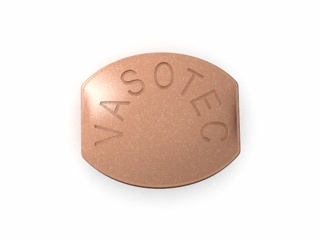
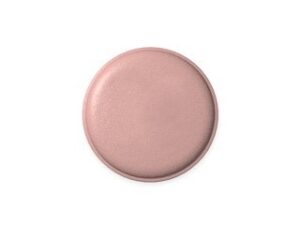

Vasotec (Enalapril): Comprehensive Patient Information for Australia
Basic Product Information
| International Nonproprietary Name (INN) | Enalapril |
|---|---|
| Australia Brand Names | Vasotec, Renitec, Acetec, Enahexal, Alphapril, others |
| ATC Code | C09AA02 |
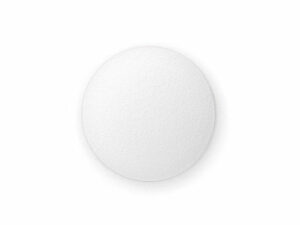
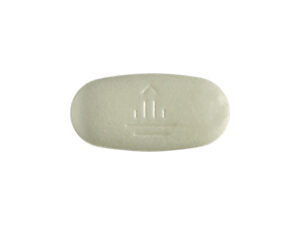
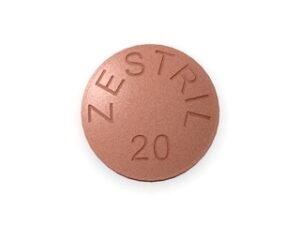
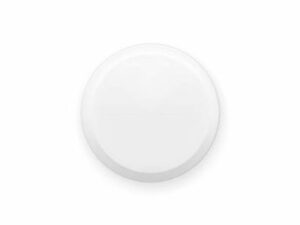
| Available Forms & Strengths | Tablets: 2.5 mg, 5 mg, 10 mg, 20 mg; Oral Solution: 1 mg/mL (some brands) |
| Manufacturers | Merck Sharp & Dohme (Australia), Sandoz, Alphapharm, others |
| Prescription Status | Prescription Only (Schedule 4 - S4) |
Mechanism of Action
For Patients: Enalapril is an "ACE inhibitor," meaning it helps lower blood pressure by relaxing blood vessels, making it easier for your heart to pump blood. This can protect your heart, kidneys, and blood vessels and reduce your risk of heart attack, stroke, and serious complications.
For Specialists: Enalapril inhibits angiotensin-converting enzyme (ACE), reducing the conversion of angiotensin I to angiotensin II—a potent vasoconstrictor. This leads to decreased vascular resistance, reduced aldosterone secretion, and improved cardiac hemodynamics (afterload and preload reduction).
Pharmacokinetics
- Absorption: Rapidly absorbed (about 60% bioavailability) as an oral prodrug. Peak plasma concentrations achieved in 1–2 hours.
- Metabolism: Converted in the liver to the active metabolite, enalaprilat.
- Elimination: Mainly via the kidneys; elimination half-life of enalaprilat is ~11 hours.
- Duration of Action: Lasts up to 24 hours, supporting once- or twice-daily dosing.
Use in Everyday Life and Best Practices
Enalapril is most commonly used to treat high blood pressure (hypertension), heart failure, and to help protect kidneys in people with some types of kidney disease (especially those with diabetes). Most Australians take it as a tablet, once or twice daily, as prescribed.
- Usual Adult Dose: Start with 5 mg once daily (for hypertension); dose may be increased to 10–20 mg daily depending on your doctor's instructions.
- Heart Failure: Often started at a low dose (commonly 2.5 mg), then gradually increased.
- How to Take: Take your dose at the same time each day—morning or evening—swallowed with water.
- Do not stop taking enalapril unless your doctor tells you to.
- Always follow specific instructions on the pharmacy label.
Dosing: Morning vs Evening
- Morning: Preferred for most people, especially those who experience dizziness or a drop in blood pressure after taking enalapril.
- Evening: May be considered if blood pressure rises at night, or for convenience if you take many morning medications.
- Tip: Consistency is key. Take it at the same time every day, with a routine that fits your lifestyle and your prescriber’s advice. Let your GP or pharmacist know if you are unsure.
Taking with Food or on an Empty Stomach
- You can take enalapril with or without food; food has minimal effect on its absorption.
- Swallow the tablet with a glass of water—English tea or milk is fine with meals as part of your usual diet.
- Try to avoid taking it with high-salt foods/processed meats (such as bacon or sausages), as salt may counteract its effect.
Interaction Warnings
Some medicines and foods can affect how enalapril works, or increase your risk of side effects. Always mention all medicines, vitamins, and supplements you take when speaking with your pharmacist or GP.
| Substance | Type of Interaction | Advice |
|---|---|---|
| Potassium supplements & salt substitutes | May increase blood potassium (hyperkalaemia) | Use only if directed, check potassium levels regularly |
| Other antihypertensives (e.g., diuretics, ARBs) | Can enhance blood pressure lowering | Monitor for low blood pressure, dizziness |
| NSAIDs (ibuprofen, diclofenac, naproxen) | Reduced kidney function, less blood pressure lowering | Avoid long-term use together; seek medical advice |
| Alcohol | Can increase risk of low blood pressure/dizziness | Limit alcohol intake, especially when starting |
| Lithium | May raise lithium levels/toxicity risk | Specialist monitoring required |
| Aliskiren, ARBs | Increased risk of side effects | Usually not combined—consult specialist |
Indications
| Condition | Official Indication | Off-label/Other Uses |
|---|---|---|
| Hypertension (high blood pressure) | Yes | NA |
| Heart Failure | Yes | NA |
| Prevention of symptomatic heart failure in asymptomatic left ventricular dysfunction | Yes | NA |
| Chronic Kidney Disease (particularly in diabetes) | Yes | NA |
| Diabetic Nephropathy | No | Common off-label use |
| Raynaud’s disease, migraine prevention | No | Rare, off-label |
Dosing According to Clinical Indications
| Population | Condition | Starting Dose | Maximum Daily Dose | Typical Maintenance |
|---|---|---|---|---|
| Adults | Hypertension | 5 mg once daily | 40 mg | 10–20 mg once daily |
| Adults | Heart Failure | 2.5 mg once or twice daily | 40 mg (in divided doses) | 10–20 mg daily (in divided doses) |
| Elderly (>65y) | Any | Start at 2.5 mg once daily | As above | As above |
| Paediatric | Hypertension (select cases, specialist use only) | 0.1 mg/kg (max 5 mg) once daily | 0.6 mg/kg or 40 mg | 0.1–0.6 mg/kg or 10–20 mg |
| Renal impairment | Any | Lower dose, increase intervals | Adjust as per clearance | Monitor closely |
All doses must be prescribed individually by your doctor, particularly if you have kidney problems or are taking other medicines.
Safety Profile / Side Effects
| Frequency | Possible Side Effects |
|---|---|
| Common (>1/100) | Dizziness, headache, persistent dry cough, low blood pressure, tiredness, nausea, kidney function changes |
| Uncommon | Rash, changes in blood tests (potassium, creatinine), muscle cramps, taste disturbances |
| Rare | Swelling of lips or face (angioedema), severe allergic reaction, jaundice/liver effects, sudden kidney failure |
| Serious (seek help) | Difficulty breathing or swallowing, severe swelling, chest pain, fainting |
Warning: If you experience swelling of your lips, tongue, or face, or difficulty breathing, stop taking enalapril and seek immediate medical help—this could be a serious allergic reaction (angioedema).
Guidelines for Proper Use (Australia Context)
- Always take enalapril as prescribed, at the same time each day for best effect.
- Inform your pharmacist or GP of any changes in your kidney function or other medicines you are taking.
- Attend regular blood pressure and kidney function checks as advised—these are available via your GP or pharmacy clinics.
- Let your pharmacist know if you plan any travel or dietary changes (such as fasting or a shift to a low-salt or high-protein diet).
- Free blood pressure checks are often available at most Australian pharmacies.
- If you forget a dose, skip and take your next dose at the usual time. Do not double up.
- Store away from heat and moisture, as with most medicines in Australian homes—never store in the bathroom.
- Return unused or expired tablets to your local pharmacy for safe disposal.
Alternative Treatment Options
- Other ACE Inhibitors: Ramipril, Perindopril, Lisinopril (similar effect, often once-daily dosing)
- Angiotensin II Receptor Blockers (ARBs): Irbesartan, Losartan, Candesartan (recommended if ACE inhibitor cough is troublesome; equally effective in many cases)
- Calcium Channel Blockers: Amlodipine, Felodipine (different mechanism; suitable for some patients)
- Thiazide Diuretics: Hydrochlorothiazide, Indapamide (often combined with ACE inhibitors, especially in older adults)
- Beta-blockers: Atenolol, Metoprolol (selected cardiac conditions)
Your GP may recommend switching between these options if you experience side effects or your blood pressure does not adequately respond. All of these are listed on the Pharmaceutical Benefits Scheme (PBS) and are subsidised in Australia for relevant indications.
Legal, Registration, and Reimbursement Status in Australia
- Legal Classification: Prescription only (Schedule 4/S4 controlled by the Therapeutic Goods Administration—TGA)
- Registered Indications: Hypertension, heart failure, left ventricular dysfunction post-myocardial infarct, kidney protection
- Reimbursement: Subsidised on the PBS for approved indications (concessional and general co-payment); most private and public hospital pharmacies supply
- Registration: Registered on the Australian Register of Therapeutic Goods (ARTG)
Latest Research and Clinical Guidance (2022–2025)
- 2022 Australian Society of Hypertension Guidelines recommend enalapril as first-line therapy for hypertension and heart failure, particularly in patients with diabetes or kidney disease (Cheung et al., MJA 2022).
- ACE inhibitors, including enalapril, continue to be the standard of care for heart failure with reduced ejection fraction; ARNI (sacubitril/valsartan) may be preferred if tolerated (McMurray et al., NEJM 2023).
- Recent meta-analyses show no increased risk of cancer with long-term ACE inhibitor use (Lancet Oncology 2023).
- In pregnancy, enalapril (and all ACE inhibitors) are contraindicated—switch to alternative agents if planning pregnancy (Australian Therapeutic Guidelines, 2024).
Availability and Delivery
| Popular Pack Sizes | 28, 30, 60, 90 or 100 tablets (by prescription) | ||||||||||
|---|---|---|---|---|---|---|---|---|---|---|---|
| Indicative PBS Price | ~AU$8.20 for up to 30 tablets (general), AU$7.30 or less concession, private price varies | ||||||||||
| Home Delivery | Available via pharmacy partners and home medicine services (e.g., Chemist Warehouse, Priceline), with most deliveries in 1–3 business days | ||||||||||
| Major Cities Delivery Time |
|
Always order medicines from a licensed Australian pharmacy and have your prescription ready. Cold packs aren’t necessary for storage.
Frequently Asked Questions (FAQ)
- Can I stop taking enalapril if my blood pressure is back to normal?
No. High blood pressure often requires lifelong treatment. Stopping suddenly can cause your blood pressure to rise quickly and increase your risk of complications. Always discuss with your GP before stopping any medication. - What should I do if I miss a dose?
If it’s close to your next dose, skip the missed tablet. Otherwise, take it as soon as you remember. Do not double the dose. - I have developed a persistent cough since starting enalapril—is this normal?
Yes, some people develop a dry cough. If it’s bothersome, your GP may recommend switching to a different type of blood pressure medication. - Can I drink alcohol while taking enalapril?
Small amounts of alcohol are permitted, but it may increase the risk of low blood pressure, especially when starting. Always drink sensibly and check with your doctor if unsure. - Is enalapril safe in pregnancy and breastfeeding?
No. It should not be taken during pregnancy or if you plan to conceive. Inform your doctor immediately if pregnant or planning pregnancy. Alternative medications are available.
Please consult your GP or community pharmacist if you have questions or concerns about enalapril. This document is general information and not a substitute for medical advice tailored to your situation.