Uroxatral (Alfuzosin Hydrochloride): Comprehensive Patient Information for Australia
Basic Product Information
| International Nonproprietary Name (INN) | Alfuzosin Hydrochloride |
| Brand Names in Australia | Uroxatral, Xatral, Alfusin |
| ATC Code | G04CA01 |
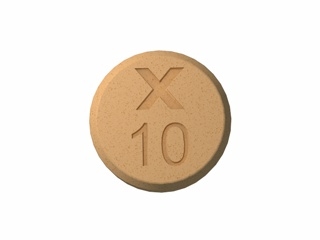
| Available Forms & Strengths | Prolonged-release tablets, 10 mg |
| Manufacturers | Sanofi-Aventis Australia Pty Ltd, various generics |
| Prescription Status | Prescription Only (Schedule 4) |
Mechanism of Action
For Patients: Uroxatral contains alfuzosin, which helps to relax the muscles in the prostate and at the bladder outlet. This makes it easier to pass urine and helps to relieve symptoms of urinary difficulty, typically seen in men with a condition called benign prostatic hyperplasia (BPH, or enlarged prostate).
For Healthcare Professionals: Alfuzosin is a selective antagonist of post-synaptic α1-adrenoceptors. It preferentially blocks α1-receptors in the prostate, bladder neck, and prostate capsule, reducing urethral resistance and improving urinary flow without affecting detrusor contractility.
Pharmacokinetics
- Absorption: Well absorbed after oral administration; bioavailability approximately 49% for the modified-release form.
- Metabolism: Extensively metabolised in the liver, mainly via CYP3A4.
- Elimination: Primarily excreted in faeces; minor renal excretion.
- Half-life: Prolonged-release tablet: 10 hours; enables once-daily dosing.
- Duration of action: 24 hours (sustained symptom relief over one day with proper adherence).
Use in Everyday Life and Best Practices
Uroxatral is prescribed to adult men suffering from moderate to severe symptoms of BPH. It does not shrink the prostate but works by making it easier to pass urine and reducing the urge to urinate—especially at night or in the early morning.
- Usual Dose: 10 mg once daily (typically one tablet).
- How to Use: Take the tablet whole with a glass of water. Do not crush or chew as this will interfere with the slow-release mechanism.
- Regular use improves symptom control. Missing doses may worsen symptoms.
- Not indicated for women or children. Use only under direct medical supervision.
- Follow up with your doctor regularly for monitoring of prostate symptoms and overall health.
Dosing: Morning vs Evening
- Morning Dosing: Recommended in Australia. Taking in the morning after breakfast reduces the risk of dizziness or hypotension during sleep and suits most daily routines.
- Evening Dosing: May be considered if advised by your doctor, but could increase risk of low blood pressure at night and upon waking.
- Tip: Take alfuzosin at the same time each day for best symptom control.
Taking with Food or on an Empty Stomach
- Important: Uroxatral prolonged-release tablets should be taken with food, preferably after the same meal daily, to optimise absorption and reduce potential side effects.
- Australian Dietary Context: Suitable to take after a typical Australian breakfast (toast, cereal, eggs) or lunch.
- Taking on an empty stomach may increase risk of side effects such as dizziness.
Interaction Warnings
| Substance/Condition | Interaction | Advice |
| Certain blood pressure medicines (e.g., nitrates, antihypertensives) | May increase risk of low blood pressure (hypotension) | Let your doctor know before starting Uroxatral |
| Strong CYP3A4 inhibitors (e.g., ketoconazole, itraconazole, ritonavir) | Can increase alfuzosin blood levels | Usually not recommended together |
| Other alpha-blockers (e.g., prazosin, tamsulosin) | Similar mechanism increases risk of side effects | Avoid taking both simultaneously |
| Alcohol | May potentiate dizziness or hypotension | Limit intake, especially when starting therapy |
| Grapefruit juice | Can increase alfuzosin blood levels | Avoid during treatment |
Indications
| Use | Status |
| Symptomatic treatment of benign prostatic hyperplasia (BPH) | Official/Registered |
| Help with bladder emptying for certain neurological conditions (men only) | Off-label (specialist use) |
| Expulsion of ureteric stones | Off-label (limited evidence, not routine in AU) |
Dosing According to Clinical Indications
| Population | Dose | Notes |
| Adult men (BPH) | 10 mg once daily | Usual starting and maintenance dose |
| Elderly men | 10 mg once daily | No adjustment needed, but monitor blood pressure |
| Children and adolescents | Not recommended | Safety and efficacy not established |
| Liver impairment | Not recommended | Risk of increased blood levels due to reduced metabolism |
| Kidney impairment | Use with caution in moderate impairment | Severe impairment: not recommended |
Safety Profile/Side Effects
| Frequency | Side Effects | Warnings/Notes |
| Common (1-10%) | Dizziness, headache, tiredness, gastrointestinal discomfort, runny or stuffy nose, flushing | Dizziness more likely at therapy start or with alcohol; use caution with driving |
| Uncommon (0.1-1%) | Postural hypotension (drop in BP when standing), palpitations, syncope (fainting) | Seek urgent care if fainting occurs |
| Rare (<0.1%) | Allergic skin reactions, angioedema, priapism (painful prolonged erection), liver enzyme increases | Report promptly; priapism is a medical emergency |
If you notice any unusual symptoms or side effects not listed above, contact your healthcare provider or report to the Therapeutic Goods Administration (TGA).
Guidelines for Proper Use (Australian Context)
- Take your tablet at the same time each day, after a meal.
- Swallow whole—do not chew, crush, or break the tablet.
- Limit alcohol and avoid grapefruit products.
- Sit or stand up slowly to reduce risk of dizziness or sudden drops in blood pressure.
- See your doctor for regular prostate health reviews.
- If you’re scheduled for cataract surgery, inform your surgeon you take alfuzosin.
- Store below 25°C in a dry place, away from direct sunlight and out of reach of children.
Alternative Treatment Options
- Other alpha-blockers:
- Tamsulosin (Flomaxtra): Similar benefits; may have lower risk of blood pressure drops. Contraindications similar, also reimbursed under the PBS.
- Prazosin: Also used for BPH but requires multiple daily dosing and careful titration; higher risk of hypotension.
- 5-alpha-reductase inhibitors:
- Finasteride, Dutasteride: Reduce prostate size; take months for effect; fewer acute side effects but can affect sexual function.
- Combination therapy: Alpha-blocker with 5-ARI for severe or persistent symptoms.
- Other options: Lifestyle measures, minimally invasive procedures, surgical interventions for refractory cases.
- Pros/Cons Table:
| Medication | Pros | Cons |
| Alfuzosin (Uroxatral) | Once daily, rapid symptom relief, PBS-listed | Risk of dizziness/hypotension, not disease-modifying |
| Tamsulosin | Similar efficacy, possibly fewer blood pressure effects | Potential ejaculatory disturbances |
| Finasteride/Dutasteride | Reduces prostate size, lowers surgery risk | Slow onset, sexual side effects |
Legal, Registration, and Reimbursement Status in Australia
- TGA (Therapeutic Goods Administration): Registered medicine.
- PBS (Pharmaceutical Benefits Scheme): Alfuzosin is reimbursed under the PBS for appropriate indications, generally requiring prescription by a GP or urologist.
- Legal status: Schedule 4 – prescription only medicine (cannot be purchased over the counter).
Latest Research and Clinical Guidance (2022–2025)
- 2023 EAU Guidelines: Alpha-blockers including alfuzosin are recommended as first-line therapy for moderate-to-severe BPH symptoms in men (Gratzke et al., EAU 2023).
- 2024 Australian Therapeutic Guidelines: Alfuzosin is considered effective and safe for most men with lower urinary tract symptoms due to BPH; preference for prolonged-release formulations to minimise hypotension risk and improve adherence (Therapeutic Guidelines, 2024 Edition).
- Key studies: Recent meta-analyses confirm non-inferiority of alfuzosin to tamsulosin for symptom relief with similar tolerability (Wang et al., BMC Urology 2022); limited benefit in stone passage; not disease-modifying.
Availability and Delivery
- Pack Sizes: 30 tablets (most common), also available in 100 tablets for ongoing scripts.
- Indicative Price (PBS Co-Payment as of 2024): General: approx. $30 per 30 tablets; Concessional: $7.70; Private scripts may vary.
| City | Standard Pharmacy Delivery | Express Delivery |
| Sydney | 1–2 business days | Same/Next day |
| Melbourne | 1–2 business days | Same/Next day |
| Brisbane | 1–2 business days | Same/Next day |
| Perth | 2–4 business days | 1–2 days |
| Adelaide | 2 business days | Next day |
| Regional Areas | 3–7 business days | 1–3 days |
Frequently Asked Questions (FAQ)
- 1. Can Uroxatral cure BPH?
Uroxatral relieves the symptoms of BPH but does not cure the underlying prostate enlargement. Symptom relief persists only while you take the medication. - 2. How long before I notice improvement?
Most men notice relief within a few days to a week of starting treatment. Some take up to 2–3 weeks. - 3. What if I miss a dose?
Take your next dose the following day at your usual time. Do not double up to make up for a missed dose. - 4. Can I drive while on Uroxatral?
You may drive once you know how Uroxatral affects you. If you experience dizziness or light-headedness, avoid driving or operating machinery. - 5. Is long-term use safe?
Long-term use is generally well tolerated. Your doctor will monitor you periodically for side effects and effectiveness.