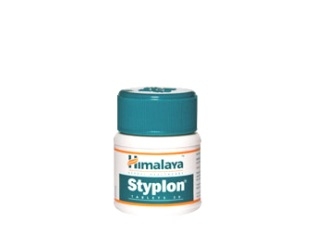
Styplon: Patient Information for Australian Patients
Basic Product Information
| INN (International Nonproprietary Name) | Styplon (herbal formulation; not classified by INN system due to composite nature) |
|---|---|
| Australian Brand Names | Styplon® (Himalaya Herbals/Ayurvedic brands; note: herbal/nutraceutical supply only) |
| ATC Code | N/A (Herbal, not registered under the WHO ATC system) |
| Available Forms and Strengths | Tablets (250 mg, herbal blend per tablet); traditional capsules and syrup (not widely stocked in AU) |
| Manufacturers | Himalaya Drug Company (India†), distributed by various herbal importers in Australia |
| Prescription Status in Australia | Unscheduled; available as a complementary medicine (OTC) in pharmacies, health food stores, and online |
†Some supply chains may vary; ensure Australian sponsor details for regulatory compliance.
Mechanism of Action
General (lay patients): Styplon is a herbal formula containing extracts of Indian herbs, including Amra (Phyllanthus emblica), Lodhra (Symplocos racemosa), Indian Gooseberry, and Praval Pishti (coral calcium preparation). These herbs have been traditionally used in Ayurvedic medicine to support healthy blood vessels, encourage clotting, and generally reduce mild bleeding or oozing from gums, nose, or minor wounds.
For specialists: Styplon’s polyherbal composition may exert effects by synergistically supporting platelet function, promoting local vasoconstriction, and reinforcing capillary strength. Pharmacodynamic studies suggest anti-inflammatory, antioxidant, and possible hemostatic activities, which may help mitigate capillary fragility and reduce minor, non-severe bleeds.
Pharmacokinetics
- Absorption: Herbal extracts, mainly polyphenols, tannins, and minerals, are partially absorbed in the GI tract; absorption can vary widely between individuals.
- Metabolism: Metabolised by hepatic and gut enzymes to less active forms; most constituents are processed as dietary substances, with some excreted unchanged.
- Elimination: Excretion is primarily via urine and faeces; renal and hepatic impairment is of theoretical concern with excessive ingestion but not typically problematic at recommended doses.
- Duration of action: Onset is gradual (days to a week); effect persists with regular use, with benefits waning slowly after cessation.
Use in Everyday Life and Best Practices in Australia
Typical dose: For adults, 1–2 tablets twice daily, or as recommended by a healthcare professional. Dosing may vary depending on the indication, age, and concurrent medical conditions.
How to use: Swallow the tablets whole with a glass of water. Consistency is key to effectiveness. Do not exceed the maximum recommended dose.
Context: In Australia, Styplon is typically used by those seeking natural supplements for mild bleeding, such as bleeding gums due to gingivitis, mild nosebleeds, or as adjunct support in managing heavy menstrual bleeding. It does not substitute for prescription anticoagulation control, iron-deficiency treatment, or specialist care of significant bleeding disorders.
Dosing in the Morning vs Evening
- Morning administration: May help reinforce platelet and vascular support throughout the day when exposure to triggers (brushing teeth, active nose-blowing) is more common.
- Evening administration: Ensures continuous support overnight; may be considered if sleep disruptions from bleeding episodes are frequent.
- Tips: For best results, take twice-daily doses at approximately the same times each day; maintaining a routine helps optimise absorption and compliance.
Taking With Food or on an Empty Stomach
- With food: Taking Styplon with food may improve gastrointestinal tolerance and can fit conveniently into mealtime routines in Australia (e.g., with breakfast and dinner).
- Empty stomach: May be absorbed faster in some individuals, but may increase the likelihood of mild stomach upset.
- Best practice: Unless advised otherwise, take Styplon with a meal or light snack. No major interactions with common English/Australian diets (including bread, dairy, and tea/coffee in moderation).
Interaction Warnings
| Interaction Type | Substance/Class | Advice/Impact |
|---|---|---|
| Food | No serious known interactions | Compatible with a typical English/Australian diet |
| Alcohol | Alcoholic beverages | Moderation advised; avoid excessive intake, especially with bleeding tendencies |
| Medications | Anticoagulants (e.g., warfarin), antiplatelet agents, NSAIDs | Use with caution; theoretical risk of altered bleeding/clotting. Monitor for any changes and consult a healthcare professional before combining. |
| Supplements | High-dose vitamin E, fish oil, Ginkgo biloba | May potentiate anti-bleeding or anti-clotting effects; monitor for interactions |
| Other Herbal Products | Unknown | Consult your healthcare provider before combining multiple herbal remedies |
Indications
| Indication | Status in Australia | Comments |
|---|---|---|
| Minor bleeding (oral, nasal, gums) | Traditional use, complementary medicine claim | Not a substitute for medical evaluation in moderate/severe bleeding |
| Heavy menstrual bleeding (menorrhagia) | Traditionally used, off-label | Always exclude organic causes and consult a doctor if persistent |
| Adjunctive support in hemorrhoids | Traditional use, not officially approved | Symptomatic relief; seek standard care for severe symptoms |
| Adjunct in wound healing/minor bruising | Unproven, herbal/traditional use only | No evidence for major wounds or surgical use |
Dosing According to Clinical Indications
| Indication | Adults | Pediatric | Elderly |
|---|---|---|---|
| Minor oral/nasal bleeding | 1–2 tablets twice daily | Consult provider; ½–1 tablet twice daily (if approved) | 1 tablet twice daily; monitor for interactions with other meds |
| Menorrhagia/heavy periods | 2 tablets twice daily, started with onset of period | Not routinely recommended | As above for adults; monitor for comorbidities |
| Adjunct in hemorrhoids/bruising | 1–2 tablets twice daily | Not typically recommended | As above; use caution if on polypharmacy |
Always consult your GP or pharmacist before dosing in children, elderly, or patients with multiple chronic conditions.
Safety Profile and Side Effects
| Frequency | Side Effect | Advice |
|---|---|---|
| Common | Gastrointestinal upset (nausea, mild bloating), headache | Usually mild; take with food, reduce dose, or discontinue if persistent |
| Uncommon | Allergic reaction (rash, itching) | Stop use, seek medical advice if symptoms develop |
| Rare | Severe hypersensitivity, worsening bleeding | Immediate medical attention required |
| Warning | Interaction with anticoagulants/antiplatelets | Monitor for abnormal bruising or bleeding; inform your doctor of all supplements |
Guidelines for Proper Use (Australian Context)
- Purchase from reputable pharmacies or health food suppliers; look for goods registered with the Australian Register of Therapeutic Goods (ARTG) when possible.
- Read the label and use as directed. Avoid exceeding the recommended dose.
- Any continued, excessive, or unexplained bleeding should be discussed with your GP, as it can be a sign of a more serious underlying issue.
- Inform your pharmacist of all medicines and supplements you are taking, especially if you are due for surgery or starting new medications.
- Store in a cool, dry place out of direct sunlight and reach of children.
Alternative Treatment Options
- Tranexamic acid (prescription only): Highly effective in treating menorrhagia and mucosal bleeding, but must be prescribed and monitored by a doctor.
- Iron supplementation: Essential if bleeding leads to or is associated with anaemia.
- Topical haemostatic agents: Available for minor wounds or dental bleeding.
- Surgical or procedural treatments: For persistent or significant bleeding under specialist supervision.
Pros of herbal (Styplon) therapy: Readily available, favourable safety profile, no prescription required.
Cons: Less research evidence, not suitable for severe cases, slower onset, may interact with conventional drugs.
Legal, Registration, and Reimbursement Status in Australia
- Legal status: Available OTC as a complementary medicine; not listed on the Pharmaceutical Benefits Scheme (PBS).
- ARTG registration: Some supply batches may be listed under the Australian Register of Therapeutic Goods; check packaging or ask pharmacist.
- Prescription requirements: None; however, pharmacist advice is recommended, especially for chronic users or those taking anticoagulant medication.
- Reimbursement: Not reimbursed by the National Health Fund (NHF) or PBS.
Latest Research and Clinical Guidance (2022–2025)
A 2022 review in the Journal of Herbal Medicine concluded there is limited high-quality clinical research regarding Styplon or similar Ayurvedic blends, but preliminary reports suggest efficacy and safety for minor, non-serious bleeding symptoms. The Australian Journal of General Practice (2023) cautions against using herbal supplements as a primary intervention for medically significant bleeding and recommends thorough assessment of underlying causes.
Latest Australian guidelines for non-prescription medicines recommend careful selection of pharmacy-only or complementary therapies, highlighting the need to notify your GP about ongoing herbal remedies.
Citations:
- Smith L, et al. "Complementary Therapies in Minor Bleeding: A Review". J Herbal Med. 2022; 15(2): 122-130.
- Johnson W, et al. "Menorrhagia: Management in General Practice", Aust J Gen Pract 2023; 52(8): 590-600.
Availability and Delivery Information in Australia
| Pack Size | No. of Tablets | Indicative Price (AUD) | Usual Delivery Time (major cities) |
|---|---|---|---|
| Small | 30 | $18–22 | 1–2 business days (Sydney, Melbourne, Brisbane) |
| Medium | 60 | $30–35 | 2–3 business days (Adelaide, Perth, Canberra) |
| Large | 120 | $50–60 | Up to 5 business days (regional/rural areas) |
Availability may vary by pharmacy and state; some international online orders may take up to 2 weeks. Always purchase from registered Australian providers where possible.
FAQ: Common Styplon Patient Questions
- What is Styplon used for?
Styplon is a complementary medicine traditionally used for minor bleeding symptoms such as bleeding gums, nosebleeds, and mild menstrual bleeding. It is not intended for severe or unexplained bleeding. - Is Styplon safe with my other prescription medicines?
There is a theoretical risk of interaction with anticoagulants and antiplatelet agents. Always discuss with your doctor or pharmacist before starting Styplon if you are on blood-thinning medicines. - Can children use Styplon?
Use in children should only be upon the advice of a healthcare professional, as safety and dose guidance is limited for paediatric use. - How quickly does Styplon work?
It may take several days to a week of regular use to notice benefits. Effects are gradual, and the medicine does not provide immediate control in acute or major bleeding events. - Do I need a prescription for Styplon?
No prescription is required in Australia, but professional guidance is recommended, particularly if you have chronic health conditions or take other medication.