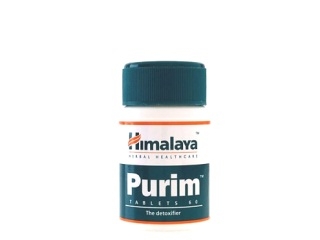
Purim: Comprehensive Patient Information for Australian Pharmacy Clients
Basic Product Information
| International Non-proprietary Name (INN) | Purim (Herbal Composite – typically Andrographis paniculata, Azadirachta indica, and other extracts) |
|---|---|
| Available Brand Names in Australia | Purim (imported herbal/natural product, not registered under TGA as a prescription or OTC medicine; may be sold as a complementary medicine or health supplement) |
| ATC Code | Not assigned (this herbal medicine is not classified in the Anatomical Therapeutic Chemical index) |
| Available Forms & Strengths | Tablets (commonly 250 mg–500 mg herbal blend/tablet); sometimes available as syrup |
| Manufacturers | Himalaya Herbal Healthcare, various authorised herbal supplement producers |
| Prescription Status | Listed as a complementary or traditional herbal product; does not require a prescription in Australia, but is not a substitute for a registered medicine |
Mechanism of Action
Simple Explanation: Purim contains a blend of plant extracts traditionally used in Ayurvedic medicine, primarily designed to support skin health, provide mild anti-inflammatory effects, detoxify the body, and regulate immune response. Key ingredients such as Neem (Azadirachta indica) and Andrographis may help inhibit bacterial growth and reduce inflammation, which can be beneficial for chronic skin conditions.
For Specialists: The bioactive phytochemicals in Purim—including andrograholide, flavonoids, and limonoids—modulate immune function, reduce oxidative stress, and support hepatic detoxification pathways. Evidence suggests modest inhibition of cytokine production, antibacterial effects, and enhancement of antioxidant defenses at the cellular level.
Pharmacokinetics
- Absorption: Oral bioavailability is variable, depending on gastrointestinal conditions and diet. Absorption of key actives such as andrograholide is approximately 30-50%.
- Metabolism: Most phytoactives are metabolised in the liver via cytochrome P450 enzymes; some undergo conjugation in the gut.
- Elimination: Primarily excreted in urine and faeces. Terminal half-life of active compounds is 4–8 hours.
- Duration of Action: Most users experience beneficial effects within 2 to 6 weeks of regular use.
Use in Everyday Life & Best Practices
- Typical Adult Dose: 1–2 tablets (250–500 mg each), twice daily, preferably after meals
- How to Use:
- Swallow tablets with water, do not chew
- Consistent timing is recommended (e.g., with breakfast and dinner)
- Use as part of an overall skincare routine; not a substitute for prescribed medicines in severe skin conditions
- English Context: Safe to use alongside a typical English/Australian diet; maintain hydration and a balanced diet
Dosing in the Morning vs Evening
- Morning Use: Can improve adherence as part of your morning routine; may support daytime immune and liver function
- Evening Use: Suitable for those with sensitive digestion or night-time medication schedules
- Tip: Take at similar times daily for best results and minimise missed doses
Taking with Food or on an Empty Stomach
- It is generally recommended to take Purim with food to improve tolerability and absorption, and to reduce the chance of stomach upset
- May be safely taken after a typical English/Australian meal; avoid taking immediately before or after large fatty meals if you have sensitive digestion
Interaction Warnings
| Substance/Interaction | Effect or Caution |
|---|---|
| Alcohol | Avoid excessive drinking (may stress liver) |
| Anticoagulants (e.g., warfarin) | Potential minor interactions; consult pharmacist/doctor before combining |
| Immunosuppressants | Theoretical interaction; avoid unless medically supervised |
| CYP450 Substrates (e.g., some statins, antiepileptics) | Plausible but unproven effects; discuss with pharmacist |
| Herbal Supplements (e.g., St. John’s Wort, Ginkgo) | Possible additive gastrointestinal or immune effects |
| Food | No known adverse interaction with common Australian dietary patterns |
Indications
| Indication | Status | Notes |
|---|---|---|
| Acne vulgaris, mild-moderate | Traditionally used | Not TGA-registered for this indication; complementary support only |
| Chronic skin inflammation (e.g., eczema, psoriasis) | Traditional/off-label | Not a replacement for prescribed topical/systemic therapy |
| Liver support | Traditional | May assist mild liver dysfunction, always check with your doctor |
| Immune system modulation | Traditional | Considered mildly immunoregulatory in herbal practice |
| General detoxification | Traditional | Not a substitute for evidence-based medical detoxification |
Dosing According to Clinical Indication
| Population | Typical Daily Dose | Notes |
|---|---|---|
| Adults | 1–2 tablets, twice daily (usually after meals) | Maximum generally 4 tablets/day |
| Children (6–12 years) | 0.5–1 tablet, twice daily | Not recommended under 6 years |
| Elderly (65+) | 1 tablet, twice daily; start low and monitor response | Review for interactions with other medicines |
Safety Profile & Side Effects
- Common (1–10%): Mild gastrointestinal discomfort (nausea, indigestion), headache, mild diarrhoea
- Uncommon (<1%): Rash, mild allergic reaction
- Rare (<0.1%): Severe allergic reaction (anaphylaxis), liver enzyme elevations in susceptible individuals
- Warnings: Not suitable for individuals with known plant allergies, pregnancy, or breastfeeding unless medically advised. Monitor for abnormal symptoms and discontinue if side effects occur.
Guidelines for Proper Use
- Always inform your doctor or pharmacist before starting any complementary therapies, especially if you take prescription medicines or have serious health conditions
- Do not exceed recommended doses
- Monitor for allergy signs (e.g., rash, swelling) and seek urgent help if symptoms develop
- Avoid use in pregnancy or breastfeeding unless your healthcare professional advises
- Regular skin check-ups are advised for chronic skin conditions
- Ensure purchase from reputable sources to avoid counterfeit supplements
- Store below 25°C, in a dry place, out of reach of children
Alternative Treatment Options
- Prescription Medicines:
- Topical retinoids, benzoyl peroxide, antibiotics (e.g., for acne)
- Steroid creams, calcineurin inhibitors (for eczema, psoriasis)
- Other Complementary Options:
- Zinc supplements (some evidence for acne)
- Omega-3 fatty acid supplements (anti-inflammatory)
- Registered herbal products (Blackmores, Swisse lines, etc.)
- Pros & Cons: Purim may suit those preferring herbal options or milder skin problems. Prescription products are strictly regulated, required for moderate/severe disease. Herbal options may be slower-acting and are not appropriate for acute, severe, or rapidly worsening conditions.
Legal, Registration & Reimbursement Status in Australia
- Therapeutic Goods Administration (TGA): Sold as a listed (not registered) complementary medicine; quality and efficacy are not evaluated to the same extent as prescription medicines
- Prescription Requirement: No prescription required; available as over-the-counter health supplement
- Medicare/Pharmaceutical Benefits Scheme (PBS): Purim is not covered by PBS or health insurance reimbursements
- Quality Assurance: Ensure goods carry Australian listing number (AUST L) if sold domestically; avoid unauthorised imports
Latest Research/Clinical Guidance (2022–2025)
- A 2023 review in the Journal of Herbal Pharmacotherapy (UK) highlighted the modest benefits of neem-containing products for mild-moderate acne, noting limited but promising anti-inflammatory activity (reference).
- 2022–2024 updates in British and Australian dermatology society guidelines recommend caution with herbal supplementation owing to variability in composition and lack of robust clinical data, but do not discourage use for mild, stable cases under supervision (DermNet NZ).
- No large-scale randomised controlled trials specific to Purim published in English-language journals up to June 2024; further clinical evidence is needed.
Availability and Delivery
| Pack Size | Typical Price (AUD) | Availability | Estimated Delivery (business days) |
|---|---|---|---|
| 60 tablets | $19–25 | Online pharmacies, selected health food stores | Sydney: 1–2 Melbourne: 2–3 Brisbane: 2–3 Adelaide: 3–4 Perth: 4–5 Hobart: 3–4 |
| 120 tablets | $34–45 | Online pharmacies, health supplement suppliers | Sydney: 1–2 Melbourne: 2–3 Brisbane: 2–3 Adelaide: 3–4 Perth: 4–5 Hobart: 3–4 |
Frequently Asked Questions (FAQ)
- Is Purim safe to use with my regular medicines?
Generally, Purim is well-tolerated, but interactions can occur with blood thinners, immunosuppressants, or liver-metabolised drugs. Always inform your pharmacist or doctor if you take prescription medications, especially for chronic illness. - Can I use Purim for severe acne or eczema?
Purim is intended as a supplementary aid for mild-moderate skin conditions only. If your symptoms are severe, worsen, or do not improve after 2–4 weeks, consult your GP or dermatologist for evidence-based treatments. - Can I take Purim if I am pregnant or breastfeeding?
Use during pregnancy or while breastfeeding is not recommended unless your healthcare professional specifically advises it, due to limited safety data. - How quickly will I notice results with Purim?
Some people notice mild improvements within 2–4 weeks, but best effects are seen after consistent use for 4–8 weeks. Always maintain realistic expectations with herbal therapy. - Is Purim covered by private health insurance or Medicare?
No, Purim is not covered by PBS, Medicare, or most private health funds—cost is an out-of-pocket expense.