

Isoptin SR (Verapamil) – Comprehensive Guide for Patients in Australia
Basic Product Information
| International Nonproprietary Name (INN) | Verapamil |
| Australian Brand Names | Isoptin SR, Veracaps SR, Cordilox SR |
| ATC Code | C08DA01 |
| Available Forms & Strengths | Modified-release tablets (Isoptin SR 180 mg, 240 mg) |
| Manufacturers (Australia) | Viatris Pty Ltd., generic alternatives from multiple sponsors |
| Prescription Status | Prescription only (Schedule 4, S4) |
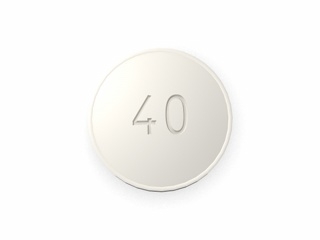
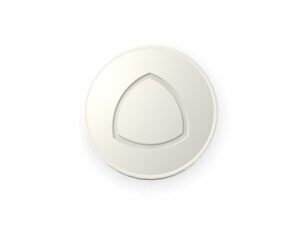
Isoptin SR is a modified-release tablet containing verapamil, a widely used prescription medicine in Australia for heart and blood pressure conditions. It belongs to the group of medications known as calcium channel blockers and is available in 180 mg and 240 mg strengths.
Mechanism of Action
- For patients: Verapamil lowers blood pressure and helps control abnormal heart rhythms by relaxing blood vessels and slowing how fast your heart beats. This means blood flows more easily and the heart doesn’t have to work as hard.
- For specialists: Verapamil is a phenylalkylamine-type calcium channel blocker (CCB; non-dihydropyridine), which inhibits L-type voltage-dependent calcium channels, predominantly affecting myocardial and nodal tissue. It decreases sinoatrial and atrioventricular conduction and causes negative inotropy and chronotropy, while also producing arterial vasodilation.
Pharmacokinetics
- Absorption: After oral administration, verapamil is well absorbed but undergoes substantial first-pass hepatic metabolism, with a mean bioavailability of 20–35% for the standard form. Isoptin SR’s slow-release formulation provides more sustained absorption.
- Metabolism: Extensively metabolised in the liver, mainly via CYP3A4, CYP1A2, and CYP2C8 enzymes; major metabolite is norverapamil (less active than parent compound).
- Elimination: Excreted mainly in urine (70%) as metabolites, and in faeces (16%). Only about 3–4% is excreted unchanged in the urine.
- Time to peak concentration: 4–8 hours (SR tablets)
- Duration of effect: Typically 24 hours for modified-release tablets; some variability between individuals.
- Half-life: 4.5–12 hours but may be prolonged in hepatic impairment or the elderly.
Use in Everyday Life & Best Practices
Typical doses are tailored individually. For hypertension or angina, the usual adult starting dose is 180 mg in the morning, adjusted based on response (commonly 240–360 mg per day, divided into two doses). Some patients may require once-daily dosing, while others benefit from twice-daily use for optimal blood pressure control.
How to use:
- Take Isoptin SR tablets by mouth, swallowing whole with a glass of water. Do not crush or chew modified-release formulations.
- Try to take your dose at the same time(s) each day—consistency helps control your condition and avoid missed doses.
- If a dose is missed, take it as soon as you remember—unless it’s almost time for your next dose. Do not double up doses.
- Always follow your doctor or pharmacist’s instructions. Your dose and frequency may be adjusted according to your condition and response to treatment.
In Australian practice, Isoptin SR is often used in combination with lifestyle measures (healthy English-style diet, regular exercise, limiting salty foods, and reducing excess alcohol). Regular blood pressure checks and monitoring for side effects are recommended.
Dosing in the Morning vs Evening
- Morning dosing: This helps cover the morning hours when blood pressure naturally rises (the “morning surge”). Most Australian patients are advised to take their first dose with breakfast, for adherence and to reduce overnight side effects.
- Evening dosing: For some people with night-time hypertension or if prescribed as twice daily, an evening dose may be recommended. Discuss timing with your GP or pharmacist, who will tailor the regimen for maximum benefit.
- Tip: Take Isoptin SR at the same time each day. Use smartphone reminders or pill organisers to help you remember.
Taking with Food or on an Empty Stomach
- Verapamil absorption isn’t greatly affected by food, but taking it with or immediately after a meal can reduce stomach upset.
- Australian dietary habits (high fibre, low salt, moderate dairy) are compatible with verapamil use. Avoid grapefruit and grapefruit juice as these can increase blood levels of verapamil and cause side effects.
- If you experience nausea or stomach pain, try taking your tablet after a main meal (breakfast or dinner).
Interaction Warnings
| Type | Example | Interaction / Risk |
|---|---|---|
| Food | Grapefruit, grapefruit juice | Can increase verapamil levels—avoid. |
| Alcohol | Beer, wine, spirits | May worsen dizziness or lower blood pressure effects—limit intake. |
| Other medicines | Beta-blockers (e.g. metoprolol) | Increased risk of heart block; use with caution and only if advised. |
| Other medicines | Digoxin | Risk of digoxin toxicity—increased monitoring required. |
| Other medicines | Statins (simvastatin, atorvastatin) | Risk of increased statin levels—lower statin dose may be needed. |
| Other medicines | Carbamazepine, phenytoin | Lower effect of verapamil—blood level monitoring may be required. |
| Other medicines | Direct oral anticoagulants, cyclosporin | Can increase drug levels—dose adjustment may be required. |
Always tell your pharmacist or doctor about all other medicines, vitamins, or herbal products you are taking.
Indications
| Approved Indications (Australia) | Off-label Uses |
|---|---|
|
|
Dosing According to Clinical Indications
| Indication | Adults | Elderly (65+) | Paediatrics |
|---|---|---|---|
| Hypertension | 180–240 mg SR once daily (up to max 480 mg daily in 2 or 3 divided doses) | Start with 120 mg SR daily; increase cautiously | Rarely used—specialist dosing only |
| Angina | 180–240 mg SR once or twice daily | Lower starting dose; monitor for low heart rate and hypotension | Under specialist guidance, per weight |
| Arrhythmias | 120–240 mg SR once or twice daily | Start low; titrate cautiously | Specialist use only; oral or IV according to age/weight |
| Cluster headache (off-label) | Initially 80 mg 3x daily, increased as needed by specialist (not to exceed 960 mg/day) | Same as adults, but start lower and increase more slowly | Not recommended |
Doses must always be tailored and regularly reviewed by a healthcare professional. Elderly and those with liver problems require more cautious dose adjustment.
Safety Profile & Side Effects
| Frequency | Side Effect | Advice |
|---|---|---|
| Very common/common (≥1/10–1/100) | Constipation, dizziness, headache, low blood pressure, nausea, ankle swelling, tiredness | Usually mild and improve with time; stay well-hydrated, rise slowly from sitting/lying positions |
| Uncommon (≥1/1,000–<1/100) | Bradycardia (slow heart rate), rash, flushing, dry mouth | Inform your doctor if these occur or persist |
| Rare (<1/1,000) | Heart block, severe low blood pressure, liver enzyme changes, heart failure | Medical attention needed—contact your doctor promptly |
| Allergic reactions | Swelling of lips/face/tongue/throat, serious rash, difficulty breathing | Seek immediate medical care (call 000 in Australia) |
Special warnings: Extra caution is needed in people with heart conduction disorders, already low heart rates, severe heart failure, or significant liver impairment. Avoid abrupt stopping unless advised by your doctor.
Guidelines for Proper Use (Pharmacy & Clinic Advice)
- Take your medicine as directed—if unsure, ask your pharmacy team. Use pill boxes or phone alarms to help with daily use.
- Monitor blood pressure (often available at pharmacies or your GP surgery) and heart rate regularly—keep a diary if helpful.
- Attend routine reviews to check for side effects and assess if your dose needs adjusting, especially after the first month of treatment.
- Avoid driving or using heavy machinery if you feel dizzy, faint, or drowsy.
- Do not use, or use very cautiously, if you already take beta-blockers or antiarrhythmics, unless instructed by your specialist.
- Tell your healthcare provider about all medicines, vitamins, and supplements you take.
- Seek urgent help for symptoms such as severe chest pain, sudden swelling, unexplained breathlessness, or signs of allergy.
- Keep your medicine securely out of reach of children.
- Store in a cool, dry place below 25°C. Do not use expired medicines—return leftovers to your pharmacy.
Alternative Treatment Options
- Amlodipine: Once daily CCB, often preferred in elderly—less risk of slow heart rate, but may cause more ankle swelling. PBS-reimbursed.
- Diltiazem: Another non-dihydropyridine CCB—similar cardiac uses, but more gastrointestinal side effects. PBS-reimbursed.
- Beta-blockers (e.g. metoprolol, atenolol): Used particularly for arrhythmias, heart failure, or angina, but not always suitable for patients with asthma or poorly controlled diabetes.
- ACE inhibitors/ARBs: For hypertension—combine well with verapamil for additive effect. Also reimbursed on PBS.
- Thiazide diuretics: Used for blood pressure in combination with other agents.
Choice of therapy depends on individual health, suitability, interactions, side effect profile, and cost (most alternatives are on the PBS scheme for eligible conditions).
Legal, Registration, and Reimbursement Status in Australia
- Legal status: Prescription only, Schedule 4 (S4), under the Poisons Standard and TGA guidelines.
- Registration: Registered with the Therapeutic Goods Administration (TGA). ARTG public summaries available via TGA website.
- Reimbursement: Subsidised via the Pharmaceutical Benefits Scheme (PBS) for eligible indications (hypertension, angina, arrhythmia). For off-label uses (e.g., cluster headache), PBS coverage likely not available.
- Pharmacy supply: Only with a valid Australian prescription from a registered medical practitioner.
Latest Research & Clinical Guidance (2022–2025)
- Recent reviews and Australian guidelines confirm verapamil’s role for hypertension, rate control in atrial fibrillation, and angina—see Heart Foundation Australia, 2023; National Blood Pressure and Arrhythmia recommendations (2024 update).
- Ongoing clinical trials are examining tailored CCB therapy in elderly and comorbid populations (NEJM, Mar 2024; PubMed 38399386).
- Cochrane reviews (2023/2024) support verapamil for cluster headache prophylaxis when other agents fail.
- Key references:
- McGrath BP et al., “National Heart Foundation of Australia: Clinical Guidelines for the Management of Hypertension,” Heart Lung Circ. 2024.
- Pilowsky PM et al., “Calcium Channel Blockers in Arrhythmia—Australian Consensus Update,” Aust Prescr. 2023;46:95-105.
Availability and Delivery
| Pack sizes (SR tablets) | Indicative PBS/PHP Price | Typical delivery times |
|---|---|---|
| 30 tablets (180 mg or 240 mg) | $19.45 (PBS general copayment); $7.30 (concession) |
|
Most community pharmacies and online pharmacy services supply Isoptin SR with a valid script. Larger pack sizes (e.g., 90 tablets) may be available for longer-term use.
FAQ – Most Common Patient Questions
- Q: What should I do if I miss a dose?
A: Take the missed dose as soon as you remember, unless it’s almost time for your next scheduled dose. Do not double up to make up for the missed tablet. - Q: Can I drink alcohol while taking Isoptin SR?
A: You can have alcohol in moderation, but be mindful that alcohol can increase dizziness or the blood pressure-lowering effect of your medicine. Never binge drink, and always stay hydrated. - Q: Is it safe to use Isoptin SR during pregnancy or breastfeeding?
A: It is not routinely recommended during pregnancy or breastfeeding—speak to your doctor to weigh the risks and benefits in your individual case. - Q: Can I stop my medicine if I feel better?
A: No. Continue your Isoptin SR even if you feel well, as stopping suddenly can worsen your condition. Only change or stop your medication under medical supervision. - Q: Can I take other blood pressure medicines or heart tablets with Isoptin SR?
A: Many patients do need combination therapy. However, certain medicines (particularly beta-blockers and some anti-arrhythmic agents) require close medical supervision due to interaction risks. Always discuss new medicines with your doctor or pharmacist first.
For any further questions or advice, speak to your pharmacist or healthcare provider.