
Artane (Trihexyphenidyl) – Comprehensive Patient Information
Basic Product Information
| Active Ingredient (INN) | Trihexyphenidyl hydrochloride |
|---|---|
| Australia Brand Names | Artane®, Pacitane® (may be available in select pharmacies) |
| ATC Code | N04AA01 |
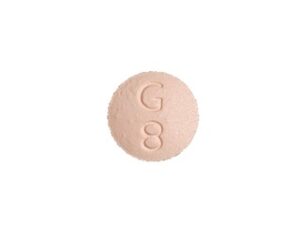
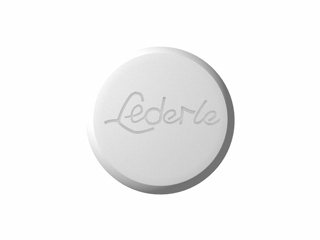
| Available Forms and Strengths | Tablets: 2 mg, 5 mg Oral solution: 2 mg/5 mL (less commonly available) |
| Major Manufacturers | Pfizer Australia, Seqirus, Aspen, local generic manufacturers |
| Prescription Status | Prescription only medicine (Schedule 4, Rx) |
Mechanism of Action
For Patients: Artane (trihexyphenidyl) works by helping to restore a better balance between two chemicals in the brain, acetylcholine and dopamine. This helps control muscle stiffness, tremors, and movements, especially in Parkinson’s disease or when these symptoms are caused by certain medications.
For Specialists: Trihexyphenidyl is a centrally-acting antimuscarinic (anticholinergic) agent. It competitively inhibits acetylcholine at muscarinic receptors in the basal ganglia and elsewhere in the CNS, reducing cholinergic excitation to improve extrapyramidal symptoms.
Pharmacokinetics
- Absorption: Well absorbed orally; peak plasma concentration in 2–3 hours.
- Distribution: Widely distributed; crosses blood-brain barrier.
- Metabolism: Hepatic (liver metabolism); specific enzymes not fully characterised.
- Elimination: Primarily renal (via kidneys) as metabolites and some unchanged drug.
- Duration of Action: Symptom control typically lasts 6–12 hours following oral administration.
Use in Everyday Life and Best Practices (Australia Context)
Typical Doses:
- For Parkinson’s disease and drug-induced movement disorders: usually 1 mg once daily to start, increased as needed up to 6–15 mg daily in divided doses.
How to Use:
- Take the tablet(s) with a glass of water, with or without food.
- Try to take Artane at the same time(s) each day.
- Do not stop suddenly without consulting your doctor, as this can cause a return or worsening of symptoms.
- If you are seeing multiple healthcare providers, inform each one that you are taking trihexyphenidyl.
In Australia, your doctor will tailor the dose to your needs and symptoms. Tablet splitting (for dose adjustment) may be recommended by your pharmacist. Routine medication reviews are encouraged for all long-term medicines.
Dosing in the Morning vs Evening
- Artane is often divided into 2–3 daily doses. Taking it in the morning and early afternoon can help manage daytime symptoms while minimising insomnia or dry mouth overnight.
- For some, an evening dose helps with nighttime symptoms. If dry mouth, insomnia, or confusion occur at night, your doctor might reduce or omit the evening dose.
- Keep dosing regular: set phone reminders, use a medication organizer, or ask your pharmacist for a dose administration aid (DAA).
Taking with Food or on an Empty Stomach
You can take Artane with or without food but taking it with meals may help reduce stomach upset. There are no dietary restrictions, but English eating habits (e.g., regular meals, cereals, sandwiches, fish and chips) are not affected by the medicine. Stay hydrated, as the medicine may cause a dry mouth. Avoid excessive alcohol, caffeine, and very spicy foods if these worsen side effects.
Interaction Warnings
| Interaction | Recommendations / Risks |
|---|---|
| Alcohol | Avoid or limit; may worsen drowsiness, confusion, and increase fall risk. |
| Other anticholinergics (e.g., antihistamines, some antidepressants, antipsychotics) | Increased risk of dry mouth, constipation, blurred vision, urinary problems, confusion – use with caution. |
| Levodopa / Dopa agonists | Often used together for Parkinson's, but dose adjustments may be needed; combination may increase side effects. |
| Opioids and sedatives (e.g., benzodiazepines, sleeping tablets) | Increased risk of drowsiness, falls, breathing problems; avoid unless necessary. |
| Food and dairy products | No specific interactions; can take with regular meals. |
Always inform your doctor and pharmacist of all medications, vitamins, or supplements you are taking.
Indications
| Indication | Status in Australia |
|---|---|
| Idiopathic Parkinson’s disease | Approved |
| Drug-induced extrapyramidal symptoms (antipsychotic side effects, dystonias) | Approved |
| Dystonia (other causes) | Occasionally used (off-label) |
| Postencephalitic parkinsonism | Approved |
| Other movement disorders (Tourette’s, tremor) | Off-label / specialist use |
Dosing According to Clinical Indication
| Population/Condition | Starting Dose | Maintenance Dose | Max Daily Dose |
|---|---|---|---|
| Adults (Parkinson's) | 1 mg once daily | 6–10 mg/day in divided doses | 15 mg/day |
| Elderly | 0.5–1 mg once daily | Cautiously upward, usually less than 6 mg daily | As advised by physician |
| Children & Adolescents | Not routinely used; specialist supervision only | Individualized | Specialist advice only |
| Drug-induced symptoms (all ages) | 1 mg once or twice daily | 5–15 mg/day as needed (adults) | 15 mg/day |
Dosing is always started low and increased as needed and tolerated. Your doctor will adjust your dose for best effect and least side effects.
Safety Profile & Side Effects
| Frequency | Side Effects |
|---|---|
| Common (>1 in 10) | Dry mouth, constipation, blurred vision, dizziness, nausea, difficulty urinating, mild confusion or memory problems, drowsiness |
| Uncommon (1 in 100–1,000) | Rapid heartbeat, nervousness, mood changes, insomnia, increased eye pressure (glaucoma), rash |
| Rare (<1 in 1,000) | Severe confusion, agitation, hallucinations, allergic reaction (swelling, severe rash) |
Warnings: Use cautiously in the elderly, those with glaucoma, urinary retention, enlarged prostate, heart disease, liver or kidney impairment. Notify your doctor immediately if you experience confusion, severe constipation, eye pain, or allergic reactions. Avoid driving or operating machinery until you know how Artane affects you.
Guidelines for Proper Use in Australia
- Keep regular appointments for monitoring and medication reviews.
- In hot Australia summers, take extra care to avoid dehydration or overheating, as Artane can reduce sweating.
- Store at room temperature, out of direct sunlight, and away from children.
- If you miss a dose, take it as soon as you remember. If it is nearly time for your next dose, skip the missed one—do not double up doses.
- Do not abruptly stop Artane without your doctor’s advice.
- Ask your pharmacist about a Consumer Medicine Information (CMI) leaflet for further details.
Alternative Treatment Options (PBS/NFZ Reimbursed)
- Levodopa preparations (with carbidopa or benserazide): Gold standard for Parkinson’s symptoms, usually preferred unless anticholinergic is specifically indicated. PBS reimbursed.
- Amantadine: May help with dyskinesia in Parkinson’s, some anticholinergic effects.
- Benzatropine: Another anticholinergic, similar role; available on prescription.
- Dopamine agonists (e.g., pramipexole, ropinirole): For early or adjunctive use.
- COMT inhibitors, MAO-B inhibitors (e.g., entacapone, selegiline): Adjunct in selected cases.
Pros of Artane: Effective for tremor, antipsychotic-induced movement disorders.
Cons: More side effects in elderly, cognitive risks, less effective for rigidity and bradykinesia compared to levodopa.
Legal, Registration, and Reimbursement Status in Australia
| Legal Category | Schedule 4 (S4) medicine – prescription only |
|---|---|
| Registration | Registered by the Therapeutic Goods Administration (TGA), included in the Australian Register of Therapeutic Goods (ARTG) |
| Reimbursement | Available on the Pharmaceutical Benefits Scheme (PBS) for approved indications |
| Prescriber | Doctors (GPs and specialists, e.g., neurologists) |
Latest Research / Clinical Guidance (2022–2025)
- Recent English and Australian clinical guidelines recommend anticholinergic drugs like Artane only for selected patients—usually younger adults with Parkinson’s disease where tremor is a primary problem, or for drug-induced movement disorders.
- Australian Medicines Handbook (AMH, 2024) cautions about cognitive risks, particularly in those over 60 years or with underlying dementia risk.
- Clinical trials continue to confirm efficacy for symptom control, but long-term use is declining due to better-tolerated alternatives.
- For drug-induced extrapyramidal side effects, Artane remains a useful option if alternatives (e.g., dose reduction of antipsychotic) are not possible.
- Citation: National Institute for Health and Care Excellence (NICE) Guideline NG71 (2022 update); Australian Therapeutic Guidelines, Neurology (2024 edition).
Availability and Delivery
| Pack Size | Typical Price* | Delivery Time (Sydney) | Delivery Time (Melbourne) | Delivery Time (Brisbane) | Delivery Time (Perth) | Delivery Time (Adelaide) |
|---|---|---|---|---|---|---|
| 100 tablets (2 mg) | $20–25 (PBS co-payment lower) | Same day–1 day* | Same day–1 day | 1–2 days | 1–3 days | 1–2 days |
| 100 tablets (5 mg) | $29–34 | Same day–1 day* | Same day–1 day | 1–2 days | 1–3 days | 1–2 days |
*Indicative prices only (April 2024) – actual patient cost may be lower with PBS subsidy for eligible patients.
Frequently Asked Questions (FAQ)
- 1. Can I drink alcohol while taking Artane?
It is best to avoid or limit alcohol, as Artane can increase drowsiness or confusion and reduce alertness, especially if you are elderly. - 2. Will Artane cure my Parkinson’s disease?
No, Artane helps control symptoms but does not cure Parkinson’s disease or stop its progression. It is one part of an overall treatment plan. - 3. What should I do if I miss a dose?
If you forget to take a dose, take it as soon as you remember. If it is nearly time for your next dose, skip the missed one—do not double up. Set reminders to help avoid missing doses. - 4. Can I stop Artane suddenly?
No. Stopping Artane suddenly may cause symptoms to return or worsen. Your doctor will advise on safely reducing the dose if needed. - 5. Are there any lifestyle changes I should make?
Stay hydrated, practice regular gentle exercise, report sudden changes in mood or memory, and be extra careful in hot weather to avoid overheating. Discuss any side effects or concerns with your doctor or pharmacist.
For personalised advice, always consult your doctor or pharmacist. For further information, consult the Consumer Medicines Information (CMI) leaflet, or the Australian Medicines Handbook (AMH). Artane should only be used under the supervision of your healthcare professional.