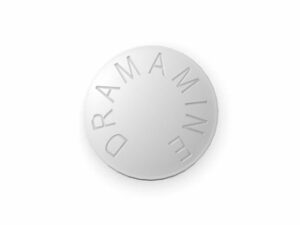


Antivert (Meclizine): Patient Information for Australia
Basic Product Information
| International Non-proprietary Name (INN) | Meclizine hydrochloride |
|---|---|
| Australia Brand Names | Antivert, Bonamine (less common); note: Meclizine is also available as generics |
| ATC Code | R06AE05 |
| Available Forms & Strengths | Tablets (25 mg, 50 mg), Chewable tablets (25 mg) |
| Manufacturers (Australia) | Various generic suppliers; originator: Pfizer (under Bonamine in some regions) |
| Prescription Status | S3 (Pharmacist Only Medicine) — available without prescription after pharmacist consultation |
Mechanism of Action
Simple Explanation: Meclizine works by blocking certain signals in the brain that cause nausea, dizziness, and vomiting. It mainly acts on the inner ear and the brain’s balance centre, helping to reduce symptoms of motion sickness and vertigo.
Specialist Explanation: Meclizine is a first-generation antihistamine (piperazine class) that acts as a competitive antagonist at H1 histamine receptors. It inhibits vestibular stimulation and depresses labyrinthine function, which reduces neuronal excitation involved in motion sickness and vertigo.
Pharmacokinetics
- Absorption: Meclizine is well absorbed after oral administration. Peak plasma concentrations are typically reached within 1–3 hours.
- Metabolism: Extensively metabolised in the liver, mainly via CYP2D6 enzymes.
- Elimination: Excreted mostly in the urine as metabolites, with a small proportion in faeces.
- Duration of Action: Effects generally last 12–24 hours.
Use in Everyday Life and Best Practices (Australia Context)
Meclizine is most commonly used by Australians to prevent and treat symptoms of motion sickness, vertigo (especially from inner ear disorders like vestibular neuritis), and sometimes for nausea associated with balance disorders. It’s a practical option for people planning travel by car, boat, plane, or train, and for individuals experiencing dizziness due to medical conditions.
- Typical adult dose (for motion sickness): 25–50 mg, taken 1 hour before travel. Dose may be repeated every 24 hours if needed.
- Typical adult dose (for vertigo): 25–100 mg daily, in divided doses.
- Administration: Swallow with a full glass of water. Chewable tablets should be fully chewed before swallowing.
- Travel advice: If you’re travelling, try to take the first dose at least an hour before departure for best results.
Dosing in the Morning vs. Evening
- Morning dosing: Preferred when using to prevent motion sickness related to daytime travel or activities. Helps avoid symptoms before they start.
- Evening dosing: May be suitable for patients with vertigo whose symptoms worsen at night. It may cause mild drowsiness, which could aid sleep in some cases.
- Regularity Tips: Take at the same time each day, especially for chronic conditions, to maintain even symptom control and minimise missed doses.
Taking with Food or on an Empty Stomach
- Meclizine can be taken with or without food. Taking it with food or a light snack may reduce the chance of stomach upset, though this is rare.
- No specific dietary restrictions are required; regular English diets (including tea, toast, fruit, or cereal) are fine.
- If you have persistent nausea, try to eat smaller, frequent meals and remain hydrated.
Interaction Warnings
| Interacting Substance | Recommendation / Caution |
|---|---|
| Alcohol | Avoid – increases risk of drowsiness and impaired coordination. |
| Other sedating antihistamines (e.g. promethazine) | Increases sedation – use with caution or avoid combination. |
| CNS depressants (benzodiazepines, opioids, antipsychotics) | Enhanced drowsiness and CNS effects – use only under medical supervision. |
| MAO inhibitors (some antidepressants) | Potential amplification of anticholinergic and CNS effects; consult your doctor before using together. |
| Food (including typical English meals) | No significant interactions. |
| Grapefruit juice | Possible minor interaction – unlikely to be clinically significant. |
Clinical Indications
| Approved Indication | Use in Australia |
|---|---|
| Motion sickness (prevention and treatment) | Main indication; for travel by car, bus, boat, plane, etc. |
| Vertigo (including vestibular disorders like Ménière’s disease) | Off-label but common use in Australia; often recommended by GPs and ENT specialists |
| Nausea due to inner ear conditions | Occasionally recommended (off-label) |
Dosing Guidelines by Indication and Age
| Condition | Adults | Paediatric (6–12 years) | Elderly (≥65 years) |
|---|---|---|---|
| Motion Sickness (prevention) | 25–50 mg 1 hour before travel; repeat after 24 hours if required | 12.5–25 mg 1 hour before travel; maximum 2 doses per 24 hrs | Start low (12.5–25 mg); monitor for sedation and confusion |
| Vertigo | 25–100 mg daily in divided doses | 12.5 mg up to twice daily; specialist advice recommended | Lower starting dose (12.5–25 mg daily); titrate up cautiously |
Safety Profile and Side Effects
- Common: Drowsiness, dry mouth, blurred vision, headache, fatigue, mild stomach upset.
- Occasional: Constipation, urinary retention (especially in elderly males).
- Rare but important: Allergic reactions (rash, swelling, itch), confusion (mainly elderly), rapid or irregular heartbeat.
- Warnings: Use with caution if you have asthma, glaucoma, prostate enlargement, or severe liver disease. Prepare for possible drowsiness — avoid driving or operating heavy machinery at first.
Guidelines for Proper Use (Australia Context)
- Take the first dose 1 hour before you need its effect (e.g. before travelling).
- Swallow tablets with water, or chew if using the chewable form.
- If prone to drowsiness, avoid alcohol and take the initial dose at a time when you won’t need to drive.
- If you are on multiple medications or have a long-term medical condition, consult your local pharmacist or GP for advice.
- Store at room temperature away from Australian summer heat sources.
- Do not give to children under 6 years without medical advice.
- If you miss a dose, take it as soon as possible unless it’s almost time for the next scheduled dose; do not double up.
Alternative Treatments
- Cinnarizine: Useful for both motion sickness and vertigo; PBS-reimbursed; may be less sedating.
- Promethazine (Phenergan): Effective but more sedating; may be used where sleep is also desired.
- Scopolamine (Hyoscine) patches/tablets: Especially used for travel sickness; patch provides up to 72 hours relief but may cause dry mouth and blurry vision.
- Non-Pharmacological options: Ginger (supplement or tea), acupressure wristbands, maintaining hydration, and minimising sudden movements.
Comparative overview: Meclizine is usually less sedating than promethazine and may be preferred for daytime use. Cinnarizine is actively funded by the PBS and often preferred by patients needing long-term vertigo management. Non-drug options are suitable for mild symptoms, especially in combination with medication.
Legal, Registration, and Reimbursement Status in Australia
- Therapeutic Goods Administration (TGA) Registration: Meclizine-containing products are registered with the TGA.
- Schedule: S3 (Pharmacist-Only Medicine) — must be supplied by a pharmacist after direct consultation.
- Pharmaceutical Benefits Scheme (PBS) listing: Not generally reimbursed for motion sickness or vertigo. Patients usually pay out-of-pocket.
Latest Research and Clinical Guidance (2022–2025)
- Meclizine remains widely recommended for motion sickness in recent Australian clinical guidelines (Therapeutic Guidelines: Gastrointestinal, eTG, 2023).
- Australian evidence-based reviews continue to support its use for vestibular vertigo, although studies suggest individual response varies (BMJ Best Practice, 2024).
- Current data (Cochrane Review, 2023) indicate that meclizine and cinnarizine have similar efficacy for vertigo, but meclizine may be less sedating.
- Recent TGA reports show no new safety concerns for meclizine between 2022 and 2025.
Availability and Delivery in Australia
| Pack Size | Strength | Average Price (AUD) | Estimated Delivery Times |
|---|---|---|---|
| 10 tablets | 25 mg | $9–$13 | Sydney: next business day; Melbourne: next business day; Brisbane: 1–2 business days; Perth: 2–3 business days; Adelaide: 1–2 business days; Regional: 2–5 business days. |
| 20 tablets | 25 mg | $15–$18 | As above |
| 10 chewable tablets | 25 mg | $11–$14 | As above |
Frequently Asked Questions (FAQ)
- Do I need a prescription for Antivert (Meclizine) in Australia?
No, Meclizine is classified as a Pharmacist-Only Medicine (S3) in Australia. You can obtain it after a quick consultation with your community pharmacist. - Can I take Meclizine with other medications?
It is generally safe, but caution is needed with other sedating medicines or alcohol. Always discuss with your pharmacist or GP if you are taking regular prescriptions or have chronic health issues. - Is it safe for children?
Meclizine can be used in children over 6 years under medical supervision. Dosages are lower and should always be checked with your pharmacist. - What should I do if I feel drowsy?
Drowsiness is a common side effect. Avoid driving, cycling, or using machinery until you know how the medicine affects you. - Are there long-term risks if I take Meclizine often?
When used occasionally or short-term, Meclizine is very safe. Long-term, regular use is best discussed with your GP, especially if you have ongoing dizziness, as other underlying causes may need to be ruled out.
Always follow the advice of your pharmacist or healthcare provider. For further questions, consult your local pharmacist or phone 1300 MEDICINE (1300 633 424).