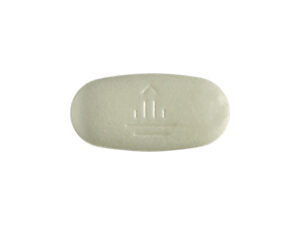


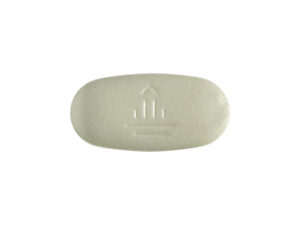
Lopressor (Metoprolol): A Patient Guide for Australia
Basic Product Information
| International Nonproprietary Name (INN) | Metoprolol |
| Common Australia Brand Names | Lopressor, Betaloc, Minax, Metrol, Metrolol, Cardolol |
| ATC Code | C07AB02 |
| Available Forms & Strengths |
|
| Manufacturers | Novartis, AstraZeneca, Apotex, Sandoz, Alphapharm (Mylan) |
| Prescription Status in Australia | Prescription only (Schedule 4) |
Mechanism of Action
For Patients:
Metoprolol, the active ingredient in Lopressor, belongs to a group of medicines called “beta-blockers.” It works by relaxing blood vessels and slowing your heart rate, making it easier for your heart to pump blood and reducing blood pressure.
For Healthcare Specialists:
Metoprolol is a selective beta1-adrenergic receptor antagonist. By selectively blocking beta1-receptors in cardiac tissue, it decreases myocardial contractility and heart rate, and suppresses renin secretion, with a reduced risk of bronchospasm compared to non-selective beta-blockers.
Pharmacokinetics
- Absorption: Metoprolol is rapidly and well absorbed after oral administration, with bioavailability of approximately 50%, increasing in slow-release formulations.
- Metabolism: Extensively metabolised in the liver (CYP2D6 pathway), producing inactive metabolites.
- Elimination: Excreted primarily via urine as metabolites; only 3–10% is excreted unchanged.
- Onset/duration: Effect is seen within 1 hour of ingestion; duration is 6–12 hours for immediate-release and 24 hours for modified-release tablets.
Everyday Use and Best Practices
Metoprolol is commonly prescribed in Australia for managing high blood pressure (hypertension), chest pain (angina), and heart rhythm problems. It may also be used after a heart attack and for some types of migraine prevention. Always take Lopressor exactly as prescribed by your doctor.
- Most adults start on 50–100 mg per day (once or divided doses), adjusted by your GP according to your condition and response.
- Swallow tablets whole with water — do not chew or crush modified-release forms.
- Try to take your dose at the same time each day.
- Never stop taking Lopressor suddenly unless advised by your doctor.
Dosing: Morning vs Evening
Morning dosing: Many Australians take Lopressor in the morning to align with daily routines and work schedules. This can help avoid forgetting doses.
Evening dosing: Some studies suggest evening doses may provide better blood pressure control overnight, and may reduce morning blood pressure surges.
- For once-daily, modified-release: pick a time that is convenient and stick to it—morning or evening is safe if taken consistently.
- For immediate-release, split doses should be spaced 12 hours apart.
- If you miss a dose, take it as soon as you remember—unless it is almost time for your next dose. Do not double doses.
Taking with Food or Empty Stomach
Lopressor can be taken with or without food, but taking it with a meal may help improve absorption and reduce stomach upset. In Australia, it’s common to take medication with breakfast to establish a routine and reduce the chance of forgetting.
- Taking with food may favour more gradual absorption.
- If you have gastrointestinal sensitivities, take Lopressor after meals.
- Avoid grapefruits and grapefruit juice—they can interact with some medicines, though risk is low with Lopressor.
Interactions: Food, Alcohol, Medications
| Type | Interaction | Advice |
|---|---|---|
| Alcohol | Increases blood pressure–lowering effect, risk of dizziness | Limit alcohol, rise slowly from sitting/lying position |
| Other blood pressure meds | Increased risk of low blood pressure (hypotension) | Careful monitoring, inform your doctor of all medicines |
| Antidiabetic drugs/insulin | Masks signs of low blood sugar (hypoglycaemia) | Monitor blood glucose closely |
| Antiarrhythmics (like amiodarone, digoxin) | Risk of slow heart rate or arrhythmia | Regular ECG and medical review |
| Non-steroidal anti-inflammatory drugs (NSAIDs) | May reduce antihypertensive effect | Use NSAIDs sparingly, monitor blood pressure |
| CYP2D6 inhibitors (antidepressants, antipsychotics) | Raises metoprolol concentration | Inform your GP about all prescription/OTC medicines |
Indications
| Official Use | Off-Label/Other Uses |
|---|---|
|
|
Dosing According to Clinical Indication
| Indication | Adults | Elderly | Paediatric |
|---|---|---|---|
| Hypertension | 50–100 mg morning or divided (max 200 mg/day) | Start lower (25–50 mg/day); titrate as needed | Limited experience; dosing only as advised by paediatric cardiologist |
| Angina | 50–100 mg twice daily | Start lower, careful monitoring | Not typically recommended |
| Arrhythmias | 25–100 mg 2–3 times/day | Lower doses; monitor pulse | Only under specialist |
| Heart Attack (Post-MI) | Initially IV, then 50–100 mg orally twice daily | Reduce dose, check for bradycardia | Specialist only |
| Prevention of Migraine | 50–100 mg twice daily | Adjust to tolerability | Rarely used; specialist only |
Safety Profile and Side Effects
| Frequency | Possible Side Effects |
|---|---|
| Common (>1/100 patients) |
|
| Uncommon (1/1,000–1/100) |
|
| Rare & Serious (<1/1,000) |
|
Warnings:
Consult your doctor immediately if you experience chest pain, persistent slow heartbeat, severe dizziness or fainting, or signs of an allergic reaction (swelling, difficulty breathing).
Guidelines for Proper Use (Australia-specific Advice)
- Store at room temperature away from direct sunlight and moisture.
- Do not discontinue Lopressor abruptly; risk of heart complications increases.
- Avoid sudden position changes to minimise dizziness and falls, especially in hot Australian weather.
- Let your GP, pharmacist, dentist, and any hospital staff know you take metoprolol.
- If you are due for surgery (even dental), inform your treating team; metoprolol may need adjusting.
- Check your pulse regularly. Seek advice if it is persistently below 50/min or you feel unwell.
- Stay hydrated, particularly in the Australian summer, as some symptoms (dizziness, tiredness) may worsen with dehydration.
Alternative Treatment Options
- Atenolol (Noten, Tenormin): Another selective beta-blocker; longer half-life, similar effects, often used once daily. Pros: Simple dosing. Cons: May not suit renal impairment.
- Bisoprolol (Bicor): Highly selective beta-blocker; well-tolerated in heart failure. Pros: Effective for heart failure and hypertension. Cons: Can cause similar side effects.
- Nebivolol (Nebilet): Newer, beta-selective with vasodilating action. Pros: Fewer sexual side effects. Cons: Costlier; less generic availability.
- Other antihypertensives: e.g., ACE inhibitors (perindopril, ramipril), ARBs (candesartan), calcium channel blockers (amlodipine). Chosen according to individual needs and comorbidities.
Most of these medicines are PBS-listed and reimbursed in Australia (subject to prescriber approval).
Legal, Registration, and Reimbursement Status in Australia
- Metoprolol is registered with the Therapeutic Goods Administration (TGA) for multiple cardiovascular indications.
- Prescription-only medication (Schedule 4, S4); non-prescription sale is illegal.
- Most metoprolol preparations (including Lopressor, Betaloc, Minax) are listed on the Pharmaceutical Benefits Scheme (PBS) for eligible patients—standard co-payment applies.
- Prescribers and pharmacists operate under national guidelines; scripts are required for supply and renewal.
- The National Heart Foundation and Australian guidelines endorse beta-blockers as part of modern cardiovascular risk management.
Latest Research and Clinical Guidance
- Recent studies (e.g., Australian Prescriber, 2023; European Society of Cardiology 2023 guidelines) confirm that metoprolol remains a key option for secondary prevention after heart attack, control of arrhythmias, and management of hypertension—often in combination with other drugs (ESC guidelines).
- Australian heart failure management guidelines emphasise bisoprolol, carvedilol, and metoprolol succinate as first-line beta-blockers for heart failure with reduced ejection fraction (NHFA/CSANZ Heart Failure Guidelines 2022).
- Morning vs evening dosing: current evidence (e.g., PMID: 37432994) shows both schedules are effective—pick a time you can stick to daily.
- Long-term registry data show metoprolol is generally safe and effective with appropriate monitoring.
Availability and Delivery in Australia
| Pack Size | Typical Cost (PBS/Private)* | Delivery to Major Cities† |
|---|---|---|
| 30 tablets (50 mg or 100 mg) | PBS: approx. $7 concession, $31 general; Private: $12–$25 | Sydney, Melbourne, Brisbane: 1–2 business days |
| 60 tablets (modified-release, various) | PBS: $7–$31; Private: $20–$40 | Perth, Adelaide: 2–3 business days |
| 90/100 tablets (generic) | PBS: $7–$31; Private: $25–$45 | Regional/rural: 2–5 business days |
*Prices are indicative and subject to PBS updates. Private prices vary by pharmacy.
†Delivery times may vary for remote/NT locations or during public holidays.
Frequently Asked Questions (FAQ)
- 1. What should I do if I forget a dose?
Take it as soon as you remember, unless it’s nearly time for your next dose. Do not double up. If unsure, consult your pharmacist or GP. - 2. Can I drink alcohol while taking Lopressor?
Yes, in moderation, but alcohol can accentuate the blood pressure–lowering effect and may make you dizzy, especially when standing up. - 3. How long will I need to take Lopressor?
It is often a long-term or lifelong medicine for blood pressure or heart disease. Your doctor will periodically review whether you still need it. - 4. Can I drive or operate machinery?
Most people can, but if you feel dizzy, lightheaded, or drowsy, avoid driving until you feel better. Notify your doctor if these symptoms persist. - 5. Can Lopressor cause weight gain or erectile dysfunction?
Some patients report weight gain or sexual side effects; if you notice changes, discuss with your GP as dose adjustment or an alternative may help.
Remember: Always talk with your GP or pharmacist before making changes to how you take your medication.