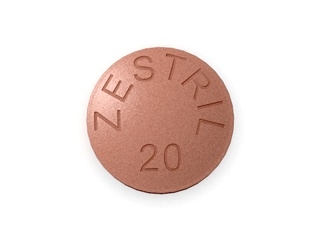
Zestril (Lisinopril) – Patient Information for Australia
Basic Product Information
| International Nonproprietary Name (INN) | Lisinopril |
| Australia Brand Names | Zestril, Prinivil, Lisodur |
| Anatomical Therapeutic Chemical (ATC) Code | C09AA03 |
| Available Forms & Strengths | Tablets: 2.5 mg, 5 mg, 10 mg, 20 mg, 30 mg, 40 mg |
| Manufacturers | AstraZeneca, Apotex, Sandoz, Alphapharm, and others |
| Prescription Status | Prescription only (S4 – Prescription Medicine) |
Mechanism of Action
How does it work?
Zestril (lisinopril) is an angiotensin-converting enzyme (ACE) inhibitor. It helps to relax blood vessels by blocking an enzyme that tightens them, making it easier for your heart to pump blood around the body. This lowers blood pressure, reduces strain on the heart, and can protect the kidneys.
For Specialists:
Lisinopril prevents the conversion of angiotensin I to angiotensin II, a potent vasoconstrictor. This leads to decreased vascular resistance, reduced levels of aldosterone, and ultimately, lower blood pressure and afterload. It also favours renal protection by reducing intraglomerular pressure.
Pharmacokinetics
- Absorption: Rapid but incomplete; bioavailability is about 25%. Not affected significantly by food.
- Distribution: Not significantly protein bound; distributed mainly in the extracellular fluid.
- Metabolism: Not metabolised by the liver; excreted unchanged.
- Elimination: Eliminated primarily via kidneys. Half-life: approx. 12 hours.
- Duration of Action: Antihypertensive effect lasts approximately 24 hours with once daily dosing.
Use in Everyday Life & Best Practices (Australia Context)
Typical doses depend on the condition being treated:
- High blood pressure (hypertension): Usually 10 mg once daily, adjusted according to response.
- Heart failure: Start at 2.5 mg once daily, titrated as needed.
- Post-heart attack (myocardial infarction): Start at 5 mg, then increase to 10 mg once daily if tolerated.
- Diabetic kidney disease (nephropathy): Doses may vary; doctor will adjust as appropriate.
Take Zestril at the same time each day, with a glass of water. Try to take it consistently, either in the morning or evening, to develop a routine. Always follow your doctor’s instructions regarding dose and timing.
Dosing: Morning vs Evening
- Advantages of Morning Dosing: May better control blood pressure during the day; easier to remember with other morning medicines.
- Advantages of Evening Dosing: Some studies suggest evening dosing may provide better overnight blood pressure control, especially if you have high night-time readings.
- Regularity is Key: Whatever you choose, take Zestril at the same time every day. If you forget, take it as soon as you remember unless it's nearly time for your next dose.
Taking with Food or on an Empty Stomach (Australian Dietary Context)
- Lisinopril can be taken with or without food.
- There is no need to adjust dosage depending on typical English or Australian meals (e.g. wholegrain bread, cereals, lean meats, vegetables).
- Stomach upset is rare. If you experience nausea, try taking Zestril after a light meal.
Interaction Warnings
| Substance | Interaction Effect | Advice |
| Potassium supplements, salt substitutes | Increased risk of high potassium (hyperkalaemia). | Avoid unless recommended by your doctor. |
| Non-steroidal anti-inflammatory drugs (NSAIDs e.g. ibuprofen) | May reduce blood pressure effect; increase risk of kidney damage. | Use only under supervision; avoid long-term use. |
| Diuretics (water tablets) | May increase blood pressure lowering effect or risk of kidney problems. | Inform your doctor if starting or stopping diuretics. |
| Other blood pressure medicines | Enhanced blood pressure lowering effect. | Regular monitoring needed. |
| Alcohol | Can intensify blood pressure lowering; increase risk of dizziness. | Limit intake, especially when starting Zestril. |
Indications
| Official Indications (PBS) | Off-label Uses |
- Essential (primary) hypertension
- Heart failure (adjunctive therapy)
- Post-myocardial infarction management (acute and long term)
- Renal protection in diabetic nephropathy
| - Proteinuria reduction in non-diabetic kidney disease
- Prevention of migraine (rare, specialist use)
|
Dosing According to Clinical Indication
| Condition | Adult Dose | Elderly Dose | Paediatric Dose |
| Hypertension | 10-40 mg once daily | Start at 2.5-5 mg, adjust slowly | 3rd line; specialist only, 0.07 mg/kg (max 5 mg/d) to 0.6 mg/kg (max 40 mg/d) |
| Heart Failure | 2.5–20 mg once daily | Start at 2.5 mg, adjust gradually | Not routinely used |
| Post-MI | 5-10 mg once daily | Cautious initiation at low dose | Not indicated |
| Diabetic Kidney Disease | 10–20 mg once daily | As above, lower starting dose | Not routinely used |
Safety Profile/Side Effects
- Common: Cough (dry, persistent), headache, dizziness, tiredness, low blood pressure (especially after first dose).
- Occasional: Nausea, diarrhoea, taste changes, rash.
- Rare but serious:
- Swelling of face/lips/tongue (angioedema; medical emergency—seek help immediately)
- Severe dizziness or fainting (very low blood pressure)
- Signs of kidney problems (reduced urine, swelling, confusion)
- High potassium (irregular heartbeat, muscle weakness)
- Warnings: Not recommended in pregnancy or breastfeeding; caution in severe renal impairment.
Guidelines for Proper Use (Australian Practical Tips)
- Store Zestril below 30°C, away from moisture (e.g. not in the bathroom).
- If you miss a dose, take it as soon as you remember (unless it’s very close to your next dose; do not double up).
- Visit your GP or pharmacist regularly for blood pressure and blood tests (for kidneys and potassium).
- Be aware of first-dose dizziness—stand up slowly to reduce risk of falls.
- Always inform your doctor and pharmacist about all other medicines and supplements you take.
- Carry a list of your medicines, especially if travelling or attending hospital.
Alternative Treatment Options (Australian PBS)
| Medicine | Class/Mechanism | Pros | Cons |
| Perindopril, Ramipril | ACE inhibitors | Similar efficacy, alternative options if cough develops | May still cause cough; same class |
| Candesartan, Irbesartan, Losartan | ARBs (Angiotensin II Receptor Blockers) | No cough, effective in BP/kidney protection | More expensive, may not suit all patients |
| Amlodipine | Calcium channel blocker | No cough, effective in mixed ethnic groups | Can cause ankle swelling, not for heart failure |
| Thiazide diuretics (e.g. indapamide, hydrochlorothiazide) | Diuretic | Proven CV benefit, inexpensive | May increase glucose/uric acid, frequent urination |
Legal, Registration, and Reimbursement Status in Australia
- Regulatory Approval: Registered by the Therapeutic Goods Administration (TGA).
- Prescription Medicine: Schedule 4 (S4).
- Subsidised: Listed on the Pharmaceutical Benefits Scheme (PBS) for eligible patients; available at reduced cost with a prescription.
- Not available over the counter.
- Rebates: Most private health insurers do not provide rebates for PBS patients as it is already subsidised.
Latest Research & Clinical Guidance (2022–2025)
- Hypertension: The 2024 Australian hypertension guidelines endorse ACE inhibitors such as lisinopril as a preferred initial agent, especially in patients with diabetes, kidney disease, or heart failure (National Heart Foundation, 2024).
- Kidney Protection: Recent meta-analyses confirm ongoing benefits in slowing diabetic and non-diabetic kidney disease progression (J Am Soc Nephrol 2023; Cochrane Hypertension Review 2022).
- Comparison to ARBs: Both classes remain first-line, but ACE inhibitor cough occurs in 5–15% of English/Australian patients (BMJ 2023).
- Combination Therapy: Not recommended with other renin-angiotensin system blockers except under specialist care (TGA, 2025).
Availability and Delivery in Australia (Indicative)
| Pack Size | Common Strengths | PBS Price (Aus. $) | Private Price Range (Aus. $) |
| 30 tablets | 5, 10, 20 mg | $6.70 (concession) | $12–$20 |
| 90 tablets | 5, 10, 20 mg | $20.10 (concession) | $30–$50 |
| Delivery Location | Estimated Delivery Time (business days) |
| Sydney, Melbourne | 1–2 days |
| Brisbane, Adelaide, Canberra | 2–3 days |
| Perth, Hobart, Darwin, regional areas | 3–5 days |
Most community and online pharmacies can fill Zestril prescriptions promptly. Your pharmacy may require a valid eScript or paper script.
Frequently Asked Questions (FAQ)
- How quickly does Zestril lower blood pressure?
Most people notice some effect in 1–2 hours, with maximum benefit reached after 2–4 weeks of regular use. - What should I do if I miss a dose?
Take it as soon as you remember, unless it’s close to your next dose. Do not double up to make up for missed doses. - Can I stop taking Zestril if my blood pressure is normal?
No. Blood pressure medicines work only while you take them. Never stop suddenly; consult your GP for a medication review. - Is it safe to use with other medications?
Zestril interacts with several medicines and supplements. Always tell your pharmacist and doctor about everything you take, including non-prescription items. - What side effects should I watch for?
Seek urgent medical help for swelling of face or tongue, severe faintness, or any symptoms causing concern. Contact your healthcare provider for troublesome cough, dizziness, or abnormal blood test results.
Speak to your doctor, practice nurse or pharmacist if you have more questions about Zestril (lisinopril) or your blood pressure treatment.