Fluticasone Propionate: Comprehensive Patient Information for Australia
Basic Product Information
| International Nonproprietary Name (INN) | Fluticasone Propionate |
|---|---|
| Common Australia Brand Names | Flixotide®, Flixonase®, Axotide®, Apofluticasone® |
| ATC Code | R01AD08 (Nasal), R03BA05 (Respiratory), D07AC17 (Dermatological) |
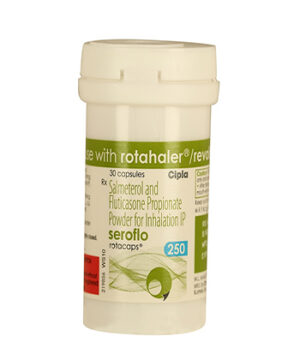
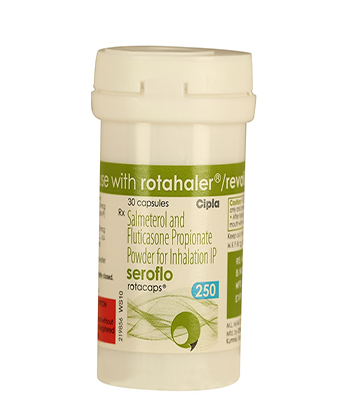
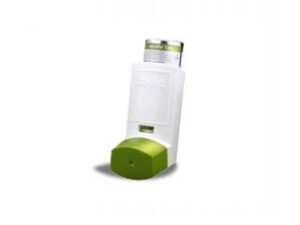
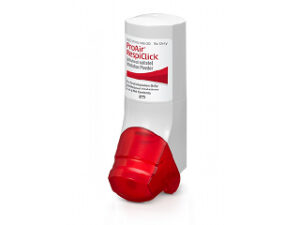
| Available Forms & Strengths | - Nasal spray: 50 mcg/actuation - Inhaler (MDI/DPI): 50, 100, 125, 250, 500 mcg/dose - Cream, ointment: 0.05% - Lotion: 0.05% |
| Common Manufacturers | GlaxoSmithKline (GSK), Apotex, Sandoz, Teva |
| Prescription Status (Australia) | Prescription Only Medicine (Schedule 4) |
Mechanism of Action
For Patients: Fluticasone Propionate belongs to a group of medicines called corticosteroids (a type of steroid). It works by reducing inflammation in the body and lowering your immune system’s response in specific areas, such as the airways, nose, or skin. This helps ease symptoms like swelling, redness, itching, sneezing, or shortness of breath.
For Healthcare Professionals: Fluticasone Propionate is a synthetic trifluorinated corticosteroid with potent glucocorticoid and minimal mineralocorticoid activity. It acts locally at the site of application by binding to the glucocorticoid receptor, modulating gene transcription, and suppressing the release of inflammatory mediators, cytokines, and chemokines. Its high topical-to-systemic effect ratio minimises systemic exposure.
Pharmacokinetics
- Absorption: Rapid but very low bioavailability (<2% for nasal/inhaled routes; <1% for topical) due to extensive first-pass metabolism in the liver.
- Distribution: Highly protein bound (91%). Volume of distribution is relatively large, indicating significant tissue uptake.
- Metabolism: Extensively metabolised in the liver, primarily by CYP3A4 enzymes, into inactive metabolites.
- Elimination: Mostly excreted in faeces (as metabolites); small percent via urine.
- Duration of Action: 12–24 hours for most forms (varies by formulation and route).
Use in Everyday Life and Best Practices
Fluticasone Propionate is widely prescribed in Australia for conditions like asthma, allergic rhinitis (hayfever), chronic obstructive pulmonary disease (COPD), eczema, and dermatitis. It is usually used as a preventative or maintenance therapy rather than for immediate symptom relief. Most patients use it regularly, even when they feel well, to keep symptoms under control.
- Inhaler: Rinse mouth after use to prevent oral thrush. Use a spacer if recommended for better delivery.
- Nasal Spray: Gently blow your nose before use. Spray once into each nostril as prescribed. Do not blow your nose immediately after spraying.
- Cream/Ointment: Apply a thin layer to the affected area. Wash hands after use unless hands are the treatment site.
English Context: Australians often use nasal sprays during hay fever season (spring), while inhalers are part of regular asthma management.
Dosing: Morning vs Evening
- Morning use: Fits well with daily routines; may help prevent daytime symptoms (eg, pollen exposure).
- Evening use: Useful for asthma patients with nighttime symptoms or allergic rhinitis affecting sleep.
- Best practice: Use at the same time every day. Consistency is key for effectiveness. Your doctor may tailor advice based on when your symptoms are worst.
Taking with Food or on an Empty Stomach
- Inhaler/Nasal Spray: Food does not affect absorption or action. You can use these products before or after meals.
- Creams/Ointments: Diet has no impact on use or effectiveness.
- Australia Dietary Habits: No dietary restrictions are required. You can maintain a typical Australian diet, including common foods like bread, cereals, fruit, dairy, and meat.
Interaction Warnings
| Substance/Group | Type of Interaction | Advice |
|---|---|---|
| Ritonavir, Cobicistat, other potent CYP3A4 inhibitors | May significantly increase fluticasone levels, raising risk of side effects (Cushing’s syndrome, adrenal suppression) | Avoid use without medical supervision |
| Other corticosteroids (oral, topical, nasal, inhaled) | Increased risk of systemic side effects | Consult your doctor before combining |
| Alcohol | No direct interaction, but excessive use may worsen some side effects | Drink in moderation |
| Warfarin or other blood thinners | Very rare case reports of interaction | Inform your healthcare provider |
| Food | No interaction | No special dietary precautions required |
Indications for Use
| Indication | Australian Regulatory Status | Notes |
|---|---|---|
| Asthma (inhaled) | Approved (TGA) | Prevention & maintenance therapy |
| Allergic rhinitis (nasal) | Approved (TGA) | Prevention & symptomatic treatment |
| Chronic Obstructive Pulmonary Disease (COPD) | Approved (in combination) | With long-acting bronchodilators |
| Atopic dermatitis/eczema (topical) | Approved (TGA) | Short-term use only |
| Off-label (chronic sinusitis, nasal polyps, lichen planus) | Specialist discretion | Consult with treating physician |
Dosing According to Clinical Indication
| Indication/Form | Adults | Paediatric (typically >4 years) | Elderly |
|---|---|---|---|
| Asthma (Inhaler MDI or DPI) | 100–250 mcg twice daily (Max: 1000 mcg/daily) | 50–100 mcg twice daily (Max: 200 mcg/daily) | Same as adults; monitor for side effects |
| Allergic rhinitis (Nasal spray) | 2 sprays per nostril once daily (max 200 mcg/nose/day) | 1 spray per nostril once daily (max 100 mcg/nose/day) | Same as adults |
| Atopic dermatitis (Topical) | Apply thinly once or twice daily, max 4 weeks | Apply thinly once daily, max 1–2 weeks | Apply as for adults; use minimal required |
| COPD (Combination inhaler) | 100–500 mcg twice daily (as per product) | Not routinely used in children | Same as adults; increased monitoring |
Safety Profile & Side Effects
| Frequency | Possible Side Effects | Advice |
|---|---|---|
| Common (>1%) | Nasal irritation, sore throat, hoarseness, oral thrush (white patches in mouth), headache, mild skin burning or itching (topical) | Usually mild and manageable; rinse mouth after inhaler use, use lowest effective dose |
| Uncommon (<1%) | Epistaxis (nosebleed), cough, taste/smell disturbance, bruising, delayed growth in children (rare, with high doses) | Monitor and inform doctor if persistent; paediatric growth should be monitored regularly |
| Rare (<0.01%) | Allergic reactions (rash, swelling, difficulty breathing), adrenal suppression, glaucoma/cataracts (long-term high-dose use) | Seek immediate medical help if severe allergy symptoms arise; regular eye checks for chronic use |
- High doses, long-term use or use with other corticosteroids may increase risk of systemic side effects.
- Children: Should use the lowest effective dose; growth should be monitored regularly.
Guidelines for Proper Use (Australia-Specific)
- Prime devices (nasal spray, inhaler) before first use or if not used for a week or more.
- For inhaled forms, always rinse your mouth and spit out water after use to reduce thrush risk.
- Do not exceed recommended doses or use longer than directed, especially for skin creams.
- If using more than one inhaler, use bronchodilator (reliever) before steroid (preventer).
- Store below 30°C, keep away from direct sunlight, and out of reach of children.
- Dispose of empty canisters/sprays safely in household bins or through local pharmacy take-back schemes.
- Regular follow-ups recommended—especially for children and elderly patients.
Alternative Treatment Options
- For asthma: Budesonide (Pulmicort®), Beclometasone (Qvar®), Ciclesonide (Alvesco®); all are TGA-registered and PBS reimbursed.
- For allergic rhinitis: Mometasone (Nasonex®), Budesonide (Rhinocort®); similar action and reimbursement status.
- For eczema/dermatitis: Hydrocortisone, Mometasone, Triamcinolone; differ by potency and skin tolerance. Fluticasone is moderate; hydrocortisone is milder.
Comparative overview: Fluticasone is generally well tolerated and convenient for once or twice daily use. Alternatives may be chosen based on response, availability, or specialist advice.
Legal, Registration, and Reimbursement Status in Australia
- Regulatory Authority: Therapeutic Goods Administration (TGA)
- Scheduling: S4 (Prescription Only)
- Reimbursement: Pharmaceutical Benefits Scheme (PBS) for approved indications, often with restriction criteria
- Private prescriptions: Available through community and hospital pharmacies
- Recording & monitoring: Electronic prescription monitoring applies; some brands require safety review on long-term scripts
Latest Research & Clinical Guidance (2022–2025)
- Australian Asthma Handbook (Version 2.2, 2023) recommends fluticasone as a first-line preventer inhaled corticosteroid for mild to moderate asthma, with an emphasis on lowest effective dose.
- Clinical update (JACI, 2024): Studies confirm fluticasone’s continued efficacy in managing eosinophilic-driven airway inflammation and highlight a very low systemic side effect profile at recommended doses.
- Guideline Note: For allergic rhinitis, TGA and ASCIA promote once-daily nasal sprays in child-friendly doses; parental supervision advised for young children.
- Pediatric findings: Meta-analyses indicate negligible impact on final adult height when used in the lowest effective dose and with regular growth monitoring.
Availability and Delivery
| Form/Brand | Popular Pack Sizes | Indicative Price (AUD) |
|---|---|---|
| Flixotide Inhaler | 60, 120, 180 doses | $25–$38 per inhaler |
| Flixonase Nasal Spray | 120 sprays (15 mL) | $18–$25 |
| Fluticasone Cream/Ointment | 15 g, 30 g, 50 g | $12–$30 |
| Major City | Typical Pharmacy Delivery (Business Days) |
|---|---|
| Sydney | 1–2 days |
| Melbourne | 1–2 days |
| Brisbane | 2 days |
| Perth | 2–3 days |
| Adelaide | 1–2 days |
| Darwin, Hobart | Up to 3 business days |
Frequently Asked Questions (FAQ)
- Q. Is Fluticasone Propionate a steroid? Can it cause long-term problems?
A. Yes, it is a corticosteroid (not an anabolic steroid). Used as prescribed, it is safe and rarely causes long-term issues. High doses or prolonged use increase risk of side effects, so always follow medical advice. - Q. Can I use Fluticasone Propionate with my hayfever/allergy tablets?
A. Yes, fluticasone nasal spray is often used with antihistamines. Your pharmacist or doctor can advise on combination use. - Q. I missed a dose – what should I do?
A. Take the missed dose as soon as you remember, unless it's nearly time for your next scheduled dose. Do not double up to catch up. - Q. Can I use Fluticasone Propionate when I am pregnant or breastfeeding?
A. Limited data suggest it is generally safe at normal doses, but always inform your doctor if you are planning to become pregnant, are pregnant, or breastfeeding. - Q. Will this medicine make me gain weight or cause mood changes?
A. At prescribed nasal, inhaled, or topical doses, this is extremely rare. These side effects are usually linked to oral steroids or high-dose, long-term use.
Further information: Please read your Consumer Medicine Information leaflet or consult your pharmacist or doctor for personalised advice. You can also visit TGA or NPS MedicineWise for up-to-date medicines guidance in Australia.