Trazodone (Trazodone Hydrochloride): Comprehensive Patient Information for Australia
1. Basic Product Information
| International Non-proprietary Name (INN) | Trazodone |
| ATC Code | N06AX05 |
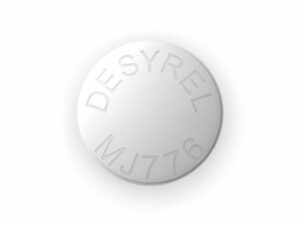
| Common Brand Names in Australia | Desyrel, Trittico, APO-Trazodone, Terry White Chemists Trazodone |
| Available Forms & Strengths | Tablets: 50 mg, 100 mg; Extended-release tablets (sometimes called "CR/ER"): 150 mg, 300 mg |
| Manufacturers | Bristol-Myers Squibb, Apotex, Sandoz, Generic manufacturers |
| Prescription Status | Schedule 4 (Prescription Only Medicine) in Australia |
2. How Trazodone Works: Mechanism of Action
For everyone: Trazodone is primarily an antidepressant, sometimes also used to help with sleep problems. It works by balancing certain chemicals in the brain (including serotonin) that affect mood and sleep.
For specialists: Trazodone is a serotonin antagonist and reuptake inhibitor (SARI). It selectively inhibits serotonin reuptake and antagonises 5-HT2A and 5-HT2C receptors, enhancing serotonergic neurotransmission while mitigating typical side effects seen with selective serotonin reuptake inhibitors (SSRIs).
3. Pharmacokinetics: How Your Body Handles Trazodone
- Absorption: Readily absorbed from the gastrointestinal tract. Peak blood concentrations occur 1–2 hours after ingestion (immediate-release), or up to 4 hours (extended-release).
- Metabolism: Extensively metabolised in the liver, mainly via CYP3A4; produces active metabolite m-chlorophenylpiperazine (mCPP).
- Elimination: Excreted by the kidneys (urine) & minor amounts via faeces.
- Duration of Action: Half-life approximately 5–13 hours; sedative effects may last into the next day, especially at higher doses or in older adults.
4. Everyday Use and Best Practices
- Usual Adult Dose: For depression: Start with 75–150 mg daily, usually at night. Doses can be increased gradually as advised by your doctor (max usually 300–400 mg/day).
- For sleep problems or insomnia: Lower doses (25–100 mg at bedtime) are often used off-label under close medical supervision.
- Administration: Swallow tablets whole with water. Immediate-release can be split if scored; extended-release must not be chewed or crushed.
- Regular Time: Take at about the same time each day, preferably in the evening due to sedative effects.
- Care in the Elderly: Start at the lowest effective dose (see tables below) and adjust slowly.
- Pediatric Use: Not generally recommended; specialist supervision only.
5. Morning vs Evening Dosing: What’s Best?
- Evening Dosing: Recommended for most patients, especially for those with sleep issues, due to sedative effect.
- Morning Dosing: Can cause drowsiness during the day—generally not advised unless specifically directed by a specialist.
- Tip: Always take at the time recommended by your doctor or pharmacist!
6. Taking Trazodone with Food or on an Empty Stomach
- Trazodone can be taken with or without food. Taking with food may reduce the risk of stomach upset and help absorption, especially with the extended-release tablets.
- High-fat meals may slightly delay absorption; effects are generally not clinically significant for most English diets.
- If you have a sensitive stomach, or as advised by your pharmacist, consider taking with a light meal (e.g., sandwich, tea).
7. Interactions: Food, Alcohol, and Medicines
| Interaction | What to Know |
| Alcohol | Avoid—can increase drowsiness, risk of falls, and side effects. |
| Other antidepressants (SSRIs, SNRIs, MAOIs) | Risk of serotonin syndrome—never combine without medical supervision. |
| Certain antibiotics (e.g. erythromycin, clarithromycin) | May increase trazodone levels; monitor for side effects. |
| Antifungals (e.g. ketoconazole) | May interact via CYP3A4 pathway. |
| Blood thinners (warfarin, NOACs) | May influence bleeding risk; monitor INR or bleeding signs. |
| Herbal supplements (St John’s Wort) | May increase side effect risk—avoid use together. |
| Grapefruit juice | Can raise levels of the drug—best avoided. |
8. Indications: When is Trazodone Used?
| Indication | Use in Australia | Notes |
| Depression (Major Depressive Disorder) | Official (PBS-listed) | Main registered use |
| Insomnia / Sleep Disturbance | Off-label | Common in practice, especially at low doses |
| Generalised Anxiety Disorder | Off-label | Considered if unresponsive to other treatments |
| PTSD, Chronic Pain, Fibromyalgia | Off-label | Specialist use only |
9. Dosing According to Indication
| Population | Initial Dose | Typical Dose Range | Max Daily Dose |
| Adults (depression) | 75–150 mg (in divided doses or bedtime) | 150–300 mg/day | 600 mg (hospital) / 400 mg (outpatients) |
| Adults (insomnia/off-label) | 25–50 mg at bedtime | 50–100 mg at bedtime | 100 mg |
| Elderly (≥65 years) | 50–100 mg (bedtime or divided) | 100–150 mg/day | 200 mg |
| Children/Adolescents | Not routinely recommended | Specialist only | Specialist only |
10. Safety Profile and Side Effects
Potential Side Effects: | Common (≥1 in 10) | Less Common (1 in 100–1,000) | Rare/Serious (<1 in 1,000) |
- Drowsiness/sleepiness
- Dry mouth
- Dizziness, tiredness
- Headache
- Orthostatic hypotension (drops in blood pressure on standing)
| - Nausea, vomiting
- Sweating
- Blurred vision
- Constipation
| - Allergic reactions
- Priapism (painful, long-lasting erections)
- Heart rhythm changes (QT prolongation)
- Serotonin syndrome (medical emergency)
- Seizures
|
- Warnings: Use with caution in people with heart or liver conditions, epilepsy, or history of bipolar disorder.
- Falls Risk: Special caution in the elderly due to risk of falls and confusion.
- Driving/Machinery: May cause drowsiness—do not drive or operate heavy machinery until you know how trazodone affects you.
11. Proper Use: Practical Tips from Your Pharmacy
- Always follow your doctor’s dosing and do not stop suddenly—this may cause withdrawal effects.
- If you miss a dose, take it as soon as you remember. If it's close to your next dose, skip the missed dose—never double up.
- Inform your healthcare provider of all other medications, supplements, and herbal products you are taking.
- Store below 25°C, in a dry place, away from children and pets.
- Ask your pharmacist before taking any over-the-counter medications.
- If you experience severe side effects (e.g., chest pain, severe allergic reaction), seek urgent medical attention.
12. Alternative Treatments: Options in Australia
- Other antidepressants: SSRIs (sertraline, escitalopram), SNRIs (venlafaxine), mirtazapine, agomelatine (also reimbursed by PBS for some conditions).
- For sleep: Short-term use of melatonin (over-the-counter), short courses of benzodiazepine hypnotics (e.g., temazepam, *prescription only*).
- Pros: Trazodone is less likely to cause sexual dysfunction compared to SSRIs; suitable alternative when SSRIs/SNRIs not tolerated.
Cons: Sedation, potential for falls (elderly), risk of QT prolongation.
13. Legal, Registration, and Reimbursement Status in Australia
- Australian Register of Therapeutic Goods (ARTG): Registered for depression; off-label use at clinicians’ discretion under Australian law.
- Prescription-Only Medication: Schedule 4 (S4) under the Poisons Standard.
- Pharmaceutical Benefits Scheme (PBS): Subsidised for major depressive disorder, subject to clinical criteria.
- Private Scripts: Off-label indications (e.g. insomnia) may not be reimbursed by PBS.
14. Latest Research and Clinical Guidance (2022–2025)
- Royal Australian and New Zealand College of Psychiatrists (RANZCP): Updated depression guidelines (2023) include trazodone as an option for certain treatment-resistant cases and as a secondary choice in elderly patients where sedation is needed.
- Australian Sleep Association (2023): Cautions regarding regular use for insomnia but notes trazodone as a viable alternative when typical hypnotics are inappropriate.
- Recent meta-analyses (2022–2024, published in journals such as the Australian & New Zealand Journal of Psychiatry and The Lancet Psychiatry) support the safety and efficacy of trazodone for major depressive disorder and certain types of chronic insomnia in adults, with lower risk of sexual side effects compared to SSRIs.
15. Availability and Delivery
| Pack Size | Approximate PBS Price (2024) | Common IRL/Online Delivery to Major Cities* |
| 50 mg x 30 tablets | $14.00 (PBS general), $7.30 (concession) | 1-2 days (Sydney, Melbourne, Brisbane) |
| 100 mg x 30 tablets | $22.00 (PBS general), $7.30 (concession) | 1-2 working days |
| 150 mg x 30 ER tablets | $32.00 (private), higher if not reimbursed | 2-4 working days (rural/remote: up to 5 days) |
* Times are indicative and may vary by provider and location. Express and regular postal delivery available. 16. Frequently Asked Questions (FAQ)
- Can trazodone help me sleep?
Trazodone is not officially approved in Australia for insomnia, but many doctors prescribe it off-label at lower doses due to its sedating effect—especially where other medicines are unsuitable. - Is trazodone addictive?
Trazodone is not habit-forming and does not lead to physical dependence like many sleeping tablets, but always use as directed and consult your doctor before stopping. - How soon does trazodone work?
For sleep, effects may begin within the first night. For depression, it may take 2–4 weeks for the full benefit. - I take a lot of other medicines—what should I be careful about?
Share your full medication list with your GP and pharmacist; trazodone may interact with some antidepressants, blood thinners, antibiotics, and certain herbal products. - Can I drink alcohol with trazodone?
It is safest to avoid alcohol while taking trazodone, as it increases drowsiness and risk of falls or fainting.
For more tailored advice, always talk to your GP, psychiatrist, or pharmacist. This information is intended for patients living in Australia and is consistent with the latest guidance from the Therapeutic Goods Administration (TGA), PBS, and relevant clinical guidelines as of June 2024.